What Is the Best Band Saw to Buy in 2026?

Choosing the best Band Saw in 2026 is less about buying the biggest machine and more about matching its capacity to your work. A compact benchtop model can handle curves in thin stock; resawing a wide hardwood board calls for greater cutting height, a sturdy frame, and a suitable blade. Get that match wrong, and even an expensive saw can feel frustrating.

Industry reports offer useful context, but not a shortcut to a good purchase. Grand View Research’s power-tools market coverage tracks demand across professional and household applications; it does not rank individual band saws or prove that one model suits every shop. For practical guidance, look at the details manufacturers sometimes leave in small print: throat capacity, blade range, motor rating, dust collection, and the time needed to change blades. Then compare those specifications with real-world testing from established woodworking publications. A glossy horsepower figure alone tells you little about how smoothly a saw follows a pencil line through dense maple.

Band saw specialist Mark Duginske, author of The Bandsaw Book, is often associated with the advice, “The bandsaw is the most versatile machine in the shop.” That idea is useful, but it can also mislead: versatility depends on setup, blade choice, and safe technique. This guide weighs those factors alongside price, build quality, and user needs to identify strong options for different budgets and projects. Some trade-offs remain. A quieter motor may matter more than extra capacity in a small garage, while a professional shop may need both. The right choice is the one you can set up accurately and use with confidence.
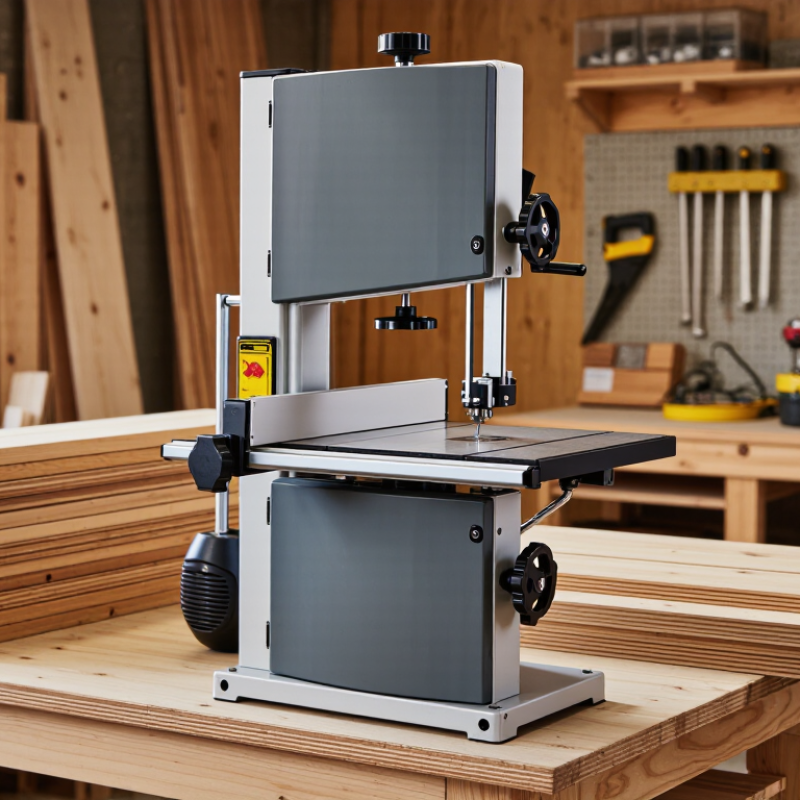
What Is the Best Band Saw to Buy in 2026?

How to Define Your Band Saw Needs in 2026

What Is the Best Band Saw to Buy in 2026?
How to Define Your Band Saw Needs in 2026

Start with the stock you actually cut. Measure its height and width, then note whether you mostly cut straight blanks, curves, or thick resaw pieces. A compact machine may suit occasional hobby work; frequent resawing calls for greater cutting capacity, a rigid frame, and a suitable motor. Check blade availability and the range of blade widths, too. A saw that fits your budget but cannot take the blade your work needs is a frustrating compromise.

Safety belongs in the buying checklist. OSHA’s woodworking machinery standard, 29 CFR 1910.213(i), requires band-saw blade guarding, with only the working portion exposed. Look for an adjustable guide that can sit close to the material, a stable table, and accessible controls. The U.S. Bureau of Labor Statistics reported 2.6 million nonfatal workplace injury and illness cases in private industry in 2023; this broad figure is not band-saw-specific, but it underscores why safe setup matters. Try the controls in person if possible. Small details count.

Tips: Bring a sample workpiece when comparing saws. Check its maximum cutting height, table tilt, dust port, and footprint. Measure your shop doorway, too. That part is easy to forget. Don’t buy capacity you rarely use; I’d rather have a well-set-up saw than a larger machine that crowds the bench.

What Is the Best Band Saw to Buy in 2026? — How to Define Your Band Saw Needs in 2026

Primary Need Recommended Saw Type Typical Throat Capacity Typical Resaw Capacity Useful Motor Range Recommended Blade Width Key Features to Prioritize
Small hobby projects Compact benchtop band saw 8–10 in (200–250 mm) 3–6 in (75–150 mm) 1/3–3/4 hp 1/8–1/2 in Small footprint, adjustable table, dust port, easy blade tracking
General woodworking 14 in floor-standing woodworking band saw 12–14 in (300–355 mm) 6–12 in (150–305 mm) 1–1 1/2 hp 1/4–3/4 in Rigid frame, cast-iron table, high-low speed settings, reliable guide system
Frequent resawing Large-capacity floor-standing band saw 14–18 in (355–455 mm) 10–16 in (255–405 mm) 1 1/2–3 hp 1/2–1 in Tall resaw fence, strong blade tensioning, large wheels, precise guides
Curved cuts and patterns Precision woodworking band saw 10–14 in (250–355 mm) 6–10 in (150–255 mm) 3/4–1 1/2 hp 1/8–1/4 in Narrow-blade compatibility, low vibration, quick-release tension, bright work light
Metal cutting Horizontal or vertical metal-cutting band saw Machine-specific; commonly 4–10 in (100–255 mm) Machine-specific; commonly 4–8 in (100–200 mm) 1/2–2 hp 1/4–3/4 in bi-metal blade Variable speed, coolant system, metal-rated blade guides, automatic shutoff
Portable job-site work Portable or cordless compact band saw 2–5 in (50–125 mm) Not usually the primary purpose Battery or compact motor system Application-specific narrow blade Low weight, battery runtime, balanced grip, integrated work light, blade availability
Shared workshop use Heavy-duty floor-standing band saw 14–18 in (355–455 mm) 8–14 in (200–355 mm) 2–3 hp 1/4–1 in Low vibration, durable wheels, robust tensioning, enclosed electrical components, serviceable parts
Capacity First
Choose throat depth for the width of your workpiece and resaw height for the thickness you need to cut.
Blade Selection
Use narrow blades for tight curves and wider blades for straight cuts, resawing, and improved stability.
Speed Control
Woodworking commonly uses higher speeds, while metal cutting requires much slower blade speeds and suitable blades.
Safety Essentials
Prioritize upper and lower blade guards, a reliable brake or shutoff, stable feet, accurate guides, and effective dust control.

Band Saw Types and Their Best Uses

What Is the Best Band Saw to Buy in 2026?

Band Saw Types and Their Best Uses

Choosing the best band saw starts with the material, cut shape, and available workspace. A benchtop band saw suits hobbyists cutting small boards, thin plastics, and curved patterns. It saves space, but its smaller table can limit wide stock. I have found that patience matters more than motor power here. Feed material slowly and let the blade do the work.

A floor-standing vertical band saw offers greater table support and deeper cutting capacity. It works well for furniture parts, resawing lumber, and repeated curved cuts. Resawing requires a wide blade, steady alignment, and careful tension adjustment. A horizontal band saw is better for cutting metal bars, tubing, and solid stock into accurate lengths. Its automatic feed can improve consistency, though setup errors still create uneven ends.

Portable band saws are useful on installation sites and for cutting large metal sections in place. They are easier to carry but usually provide less control than fixed machines. Blade selection remains critical: coarse teeth suit thick material, while finer teeth handle thin stock more cleanly. Eye protection, secure workholding, and blade guards are basic requirements. I still occasionally choose the wrong blade for a hurried cut. That mistake is avoidable.

Key Features for Comparing Band Saw Models

What Is the Best Band Saw to Buy in 2026?

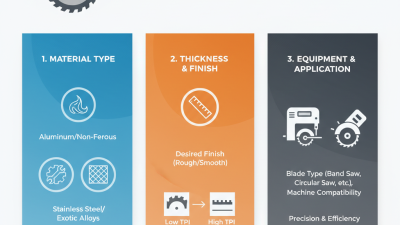
A useful comparison begins with the work, not the advertising. Choose a band saw by material thickness, cutting accuracy, and daily workload. A wider throat gives more room for curved cuts. Greater resaw capacity helps when slicing tall boards. Check the stated capacity carefully. Some measurements exclude the guide assembly.

Blade selection matters as much as motor power. Look for adjustable speed, accessible tension controls, and sturdy upper and lower guides. Ceramic or sealed bearing guides can reduce friction when correctly aligned. The table should remain stable under pressure. A reliable dust port, bright work light, and emergency stop also improve practical safety. I once overvalued motor strength and ignored blade tracking. That was an expensive lesson.

Tips: Test the table for movement before buying. Examine the wheel tires and blade guards closely. Ask whether replacement blades and service parts remain available. Compare noise levels, not just wattage. A quieter machine may be easier to use for longer sessions. Check the fence and miter slot for parallel movement. Small alignment errors become obvious on long cuts.

Digital controls can be helpful, but they do not replace solid construction. A heavier frame usually reduces vibration, although it may limit portability. Consider your workshop space, electrical supply, and cleaning routine. No model is perfect. The best choice balances precision, maintenance, comfort, and the materials you actually cut.

How to Match a Band Saw to Your Budget and Workshop

The best band saw in 2026 is the one that fits your actual projects, available space, and budget. Start with the stock you cut most often. A compact saw can handle small craft pieces and thin boards, while resawing thick lumber calls for greater cutting capacity, a sturdy frame, and a motor suited to sustained work. Check the throat depth and maximum cutting height against a typical workpiece—not just the largest one you might cut someday.

Think about the workshop, too. Measure the footprint, including room to guide long boards, and check whether the saw’s dust port matches your extraction setup. A quieter, smaller machine may be the sensible choice in a shared garage. Nice and simple. For frequent use, prioritize stable blade tracking, accessible adjustments, and reliable tension control over extra features you may rarely touch. Read the manual before buying; setup requirements can vary, and a poor blade choice can make a capable saw seem disappointing.

Set a budget that includes blades, a suitable stand, and dust collection, not only the machine. If possible, inspect a running saw and watch for excessive vibration or awkward controls. I once underestimated the space needed to turn a long board. It was annoying, but useful to learn. A little spare capacity helps, yet paying for more saw than your projects need is no guarantee of better cuts.

What Is the Best Band Saw to Buy in 2026?

Representative planning benchmarks show how budget, resaw capacity, throat depth, and motor power typically increase together. Choose the tier that matches your workshop space and the thickness of material you regularly cut.

Typical specifications vary by design and configuration. Resaw capacity and throat depth are shown in inches; motor power is shown in horsepower; price is a representative USD purchase range.

Safety, Setup, and Maintenance Considerations for Buyers

Choosing the best band saw to buy in 2026 should begin with safety, not cutting speed. The Liberty Mutual Workplace Safety Index estimated that serious workplace injuries cost U.S. employers $58.5 billion in 2021. That figure is not band-saw specific, but it shows why prevention deserves attention. Look for a rigid frame, a fully enclosed wheel housing, an adjustable blade guard, and a reachable emergency stop. OSHA’s woodworking machinery rules also require effective guarding around moving cutting areas. Read the manual before assembly. Surprisingly, many setup problems begin with a rushed first afternoon.

Place the saw on a level, vibration-resistant surface. Check blade tracking, tension, guide clearance, and fence alignment before cutting timber. Keep hands outside the marked danger zone. Use eye protection, hearing protection, and suitable dust extraction. Small shops often underestimate airborne dust. They should not. The U.S. Bureau of Labor Statistics reported 2.6 million nonfatal private-industry workplace injuries and illnesses in 2022, across all equipment types. Maintenance should include unplugging the machine, brushing dust from guides, inspecting tires, and checking blade teeth for cracks. Replace damaged parts promptly. I still recheck tension after several cuts, because the blade can settle. That habit may seem excessive. It is cheaper than correcting a crooked cut or a sudden blade failure. A useful buying test is simple: can you adjust, clean, and inspect every safety component without awkward access?