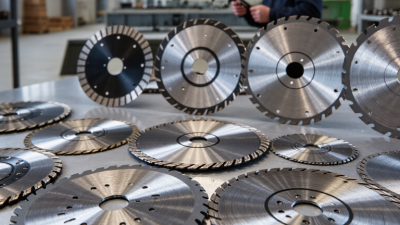
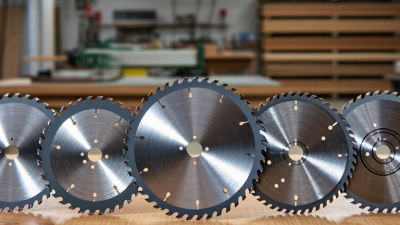
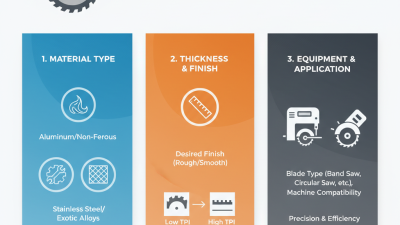
Choosing the right Saw Blades is not a minor purchasing decision. It affects cutting speed, surface quality, safety, and the working life of your equipment. A blade designed for clean plywood cuts may struggle with dense hardwood. A general-purpose blade may leave rough edges on laminate or chip delicate materials.
Paul Sellers, a respected woodworking educator, captures the principle clearly: “Use the right saw for the right job.” His practical experience reflects what many professionals learn at the workbench. Blade selection should match the material, saw type, cutting direction, and desired finish. Tooth count matters. So does the blade’s kerf, diameter, arbor size, and maximum operating speed. Small details create visible results.
Look closely at the cut. Burn marks can suggest excessive friction or a dull blade. Chipped edges may indicate unsuitable tooth geometry or poor feed control. A fine-tooth blade usually improves finish quality, but it can cut more slowly. A coarse blade removes material faster, though the surface may need additional work. Nothing is perfect.
Even experienced users sometimes choose by price alone. That can be a costly shortcut. The cheapest blade may wear quickly, vibrate during use, or waste material through repeated corrections. Reliable Saw Blades should be selected for the complete task, not just the first cut. This guide explores the main blade types, materials, tooth patterns, and performance factors, helping readers make safer, more informed decisions.
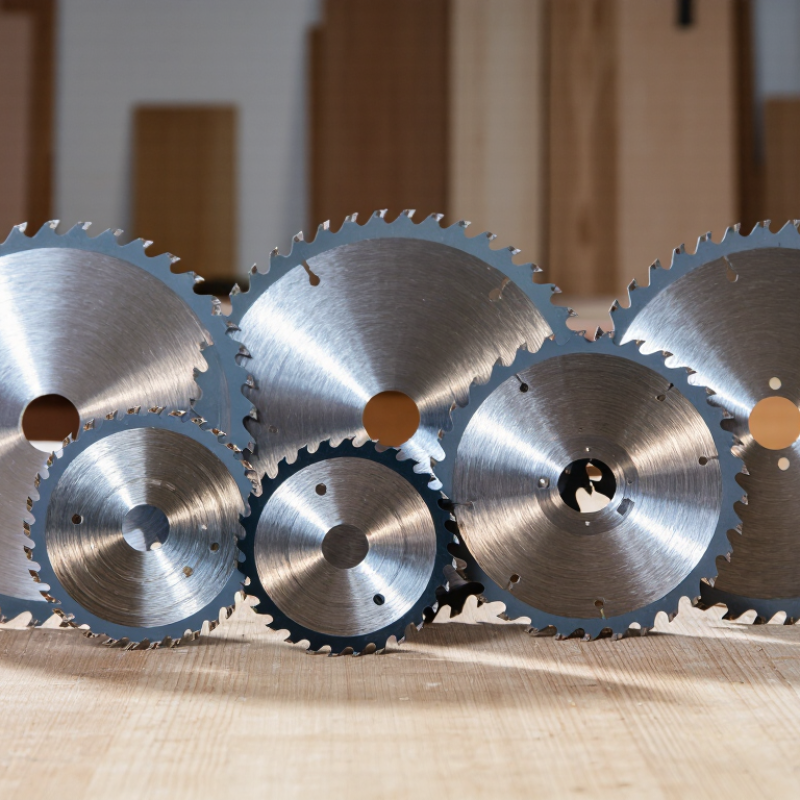
Choosing a saw blade begins with the material, not the machine. Wood usually needs a tooth pattern that clears chips quickly. Thin plywood benefits from finer teeth, while framing timber tolerates fewer, larger teeth. The U.S. National Institute for Occupational Safety and Health recommends limiting wood dust exposure to 1 mg/m³ as a time-weighted average. A dull blade creates more dust and heat. I have found that rushing a cut often costs more time later.
Metal demands a different approach. Blade selection should match the alloy, thickness, and cutting speed. Hardened steel can destroy an unsuitable blade within minutes. Aluminum may clog tight tooth patterns, especially when lubricant is absent. The Occupational Safety and Health Administration limits airborne metalworking-fluid exposure through workplace controls, but a blade cannot solve poor ventilation. Cutting slowly feels inefficient. Sometimes it prevents overheating and uneven edges.
Masonry is harsher. Concrete, brick, and stone require abrasive cutting edges designed for mineral material. Silica exposure deserves particular attention: OSHA sets a permissible exposure limit of 50 micrograms per cubic meter over eight hours. Wet cutting or effective dust extraction can reduce airborne particles. Composite materials are less predictable. Fiberglass, carbon fiber, and resin can wear teeth unevenly and leave splintered edges. Check the manufacturer’s technical data, but question generic claims. Material batches, moisture, and operator pressure can change the result. The best blade is task-specific, replaceable, and matched to controlled cutting conditions.
Define the cutting task before selecting a blade for wood, metal, masonry, or composite materials.
The chart uses practical reference ratings from 1 to 5 to compare the main blade-selection priorities for each material. Wood generally benefits from coarse teeth and strong chip clearance, metal requires heat resistance and finer teeth, masonry depends on abrasion resistance, and composite materials require balanced cutting performance to reduce splintering and heat buildup.
Choosing the right saw blade starts with tooth pitch, not appearance.
Industrial selection tables commonly recommend at least three teeth engaged in the workpiece, with six to twelve teeth preferred for smoother cutting. For thick stock, 3–6 TPI leaves larger gullets for chips.
A 25 mm steel plate may need this range, especially under a steady feed.
For medium sections, 10–14 TPI offers a practical balance between cutting speed and surface finish. It suits tubing, flat bar, and plates around 6–20 mm thick. Thin sheet and small tubing usually need 18–32 TPI. More teeth stay engaged, reducing snagging and tooth damage.
ISO 4875-1:2014 classifies band-saw blades by pitch and tooth form, while industrial cutting-data tables use similar engagement principles.
Material still changes the answer. Aluminum often tolerates faster cutting, while stainless steel needs controlled pressure and sharp teeth.
I have seen operators choose 32 TPI for thick steel, then blame the blade when gullets pack with chips. That choice was mine once.
A quick check helps: divide material thickness by expected tooth engagement, then inspect the first cut for vibration, heat, and curled chips. The perfect pitch is sometimes less perfect than the operator assumes.
The tooth material controls cutting speed, durability, heat, and surface quality. High-speed steel blades suit softer metals, plastics, and general workshop tasks. They cut cleanly and cost less, but their teeth dull faster during heavy production work. Carbide-tipped teeth stay sharp longer and resist heat. They work well on hardwood, laminated boards, aluminum, and abrasive composite panels. Diamond-grit blades are different. They grind rather than slice, making them useful for tile, glass, stone, and fiber-cement materials.
I have found that the hardest tooth material is not always the best choice. A diamond-grit blade can struggle with metal, while carbide may chip when forced through brittle tile. Cutting pressure, blade speed, and material thickness also matter. Check the blade’s rated application before making a decision.
One rushed test cut can produce excessive dust, heat marks, or a rough edge. That experience is easy to underestimate.
Tips: Match the tooth material to the workpiece, not just the machine. Use high-speed steel for lighter cutting and easy resharpening. Choose carbide for frequent cuts and longer service life. Select diamond grit for mineral-based materials. Keep the blade aligned, and let it cut at its own pace. Inspect teeth after each demanding job. A small crack should never be ignored.
Kerf width directly controls how much material becomes sawdust. A 3.2-millimeter kerf removes 1 millimeter more than a 2.2-millimeter kerf on every cut. After twenty cuts, that difference consumes 20 millimeters of board length. On a two-meter board, that equals 1% of usable length.
The USDA Forest Service Wood Handbook, FPL-GTR-282, 2021, identifies kerf, feed speed, tooth geometry, and cutting accuracy as important machining factors. A narrow kerf can improve material yield, especially when processing expensive hardwood or thin panels. However, fewer teeth may leave a rougher edge. More teeth usually improve finish quality, but they can increase heat, clogging, and cutting resistance. The balance is practical, not theoretical.
The FAO’s Forest Products Conversion Factors, 2020, warns against assuming complete recovery during wood processing. Small losses accumulate across repeated operations. For crosscutting, a higher tooth count often suits clean end cuts. For ripping, a lower tooth count can clear chips faster.
I would test both on scrap first. A blade that looks efficient on paper may burn the cut in real use.
Measure kerf with calipers, inspect the edge under good light, and record waste after ten cuts. My own judgment can still be wrong when moisture, resin, or feed pressure changes.
Choosing the right saw blade begins with four checks: diameter, arbor size, rated RPM, and EN 847-1 compliance. A 250 mm blade must fit the machine guard and allow safe clearance. Its arbor hole must match the spindle exactly. Never force a mismatched bore with improvised spacers. That shortcut can create vibration, poor cuts, and dangerous movement.
RPM matters just as much. The blade’s maximum speed must meet or exceed the saw’s no-load speed. For example, a 4,500 RPM machine needs a blade rated above 4,500 RPM. Check the label, not memory. EN 847-1 specifies safety requirements for woodworking tools, including blade construction, strength, and resistance to dangerous failure. The European Commission’s 2023 machinery-safety reporting continues to identify moving machinery as a major workplace hazard, so these details deserve careful attention.
Match the blade to the material, too. Thin teeth may cut plywood cleanly but struggle in dense hardwood. A wider kerf can increase waste and motor load.
I have seen operators focus on tooth count while ignoring arbor fit. That is an easy mistake. It is also costly.
Manufacturer test data, machine manuals, and documented EN 847-1 conformity provide stronger evidence than a sales claim. Still, standards do not replace judgment. Inspect for cracks, resin buildup, missing teeth, and excessive vibration before every use.