How to Use Cast Stainless Steel in Your Projects?
In recent years, the use of cast stainless steel has gained popularity in various industries. Experts like Dr. Jane Thompson, a leading metallurgist, emphasize its durability and aesthetic appeal. She once stated, “Cast stainless steel combines strength with elegance, making it ideal for innovative projects.”
cast stainless steel offers numerous advantages. Its resistance to corrosion and high temperatures allows it to thrive in challenging environments. However, understanding how to utilize this material effectively requires careful consideration. For instance, the casting process can introduce challenges. Flaws may emerge, demanding extra attention during design and production phases. Designers must remain vigilant.
When incorporating cast stainless steel into projects, attention to detail is crucial. Consider the finishing touch; it can significantly affect appearance and performance. Carefully selecting surface treatments can enhance both aesthetics and longevity. Despite its benefits, it’s essential to acknowledge the learning curve associated with cast stainless steel. Experimentation may lead to unexpected results, prompting a need for adaptation.
Understanding Cast Stainless Steel: Properties and Applications
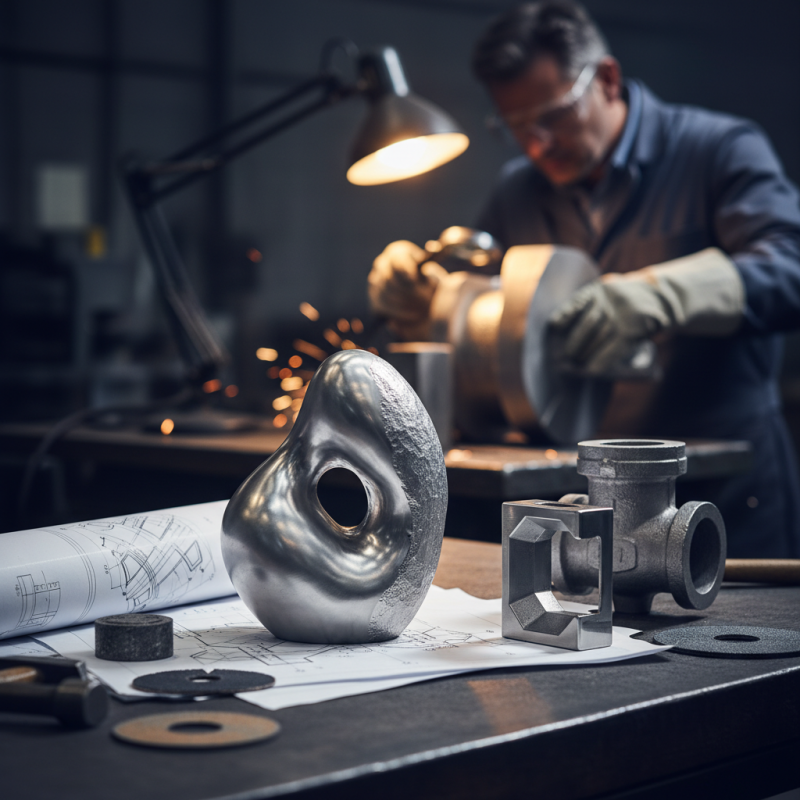
Cast stainless steel is a versatile material used in various projects. Its unique properties make it ideal for both structural and aesthetic applications. It is resistant to corrosion, which is essential in many industries. This keeps components looking good and prolongs their lifespan. The strength of cast stainless steel allows it to withstand high-stress environments effectively.
When working with cast stainless steel, consider its weight. It can be heavier than other materials, which may impact project design. Remember that casting can lead to imperfections in the surface. These may require additional finishing work. Don't overlook the importance of a well-prepared surface for welding or bonding.
Tip: Always conduct a thorough analysis before selecting cast stainless steel for your project. Evaluate specific conditions that the material will face. If you expect extreme usage, confirm its suitability.
Factors like temperature and exposure to chemicals matter. Understand the properties that best fit your needs. If you notice imperfections, think about how these can integrate into your design. Sometimes, flaws can add character instead of detracting from it.
Choosing the Right Type of Cast Stainless Steel for Your Project
Choosing the right type of cast stainless steel is crucial for any project. Various grades and compositions exist. Understanding these differences can optimize your project's outcome. For example, ASTM A351 offers a range of properties. This standard lists several grades, each serving specific applications.
Cast stainless steel generally includes a high chromium content. Typically, it varies between 12% to 30%. This provides excellent corrosion resistance. However, higher chromium may not guarantee better strength. Grade CF8, for instance, is widely used in food processing. Its resistance to oxidation is a vital factor. Still, projects requiring high strength should consider CF8M, which includes molybdenum.
Considering your project's environment is necessary. Marine projects might need stainless steel with higher resistance to chlorides. Surprisingly, many still overlook this aspect. Project managers sometimes select materials based only on initial cost. This can lead to performance issues later. Long-term durability is often more important than short-term savings. Always assess the specific conditions where your cast stainless steel will be utilized. Understanding these nuances can significantly impact the overall success of your project.
Design Considerations for Using Cast Stainless Steel
When considering cast stainless steel for your projects, multiple design elements come into play. This material offers durability and aesthetic appeal, making it a popular choice. However, you must evaluate its weight and density. Heavy components could impact overall design viability.
Surface finish is another critical aspect. Polished surfaces gleam beautifully but may hide manufacturing imperfections. An unpolished finish shows texture but can be prone to corrosion. Balance is essential. Consider how the material interacts with its environment. High humidity can accelerate wear, which may affect your design longevity.
Additionally, think about the joinery techniques. Welding may not always provide the best results. You might encounter distortions during the process. Bolting can offer flexibility but may compromise aesthetics. Each method has its strengths and weaknesses. Reflect on these aspects to ensure your project stands out while maintaining structural integrity.
Best Practices for Fabrication and Machining of Cast Stainless Steel
When working with cast stainless steel, preparation is key. Start by assessing the alloy you use. Each type has unique properties that affect machining and fabrication. Choose the right cutting tools to avoid chipping or premature wear. Proper tool selection impacts the finished product significantly. If you use dull tools, you'll struggle with precision.
Machining cast stainless steel requires attention to detail. Maintain a steady speed and monitor feed rates carefully. Too fast, and you risk overheating; too slow, and you create unnecessary friction. Don’t forget to use appropriate cooling methods. A good coolant helps in managing heat and prolongs tool life. Additionally, keep a clean workspace. Clutter can lead to distractions and mistakes.
Welding is another crucial aspect of fabrication. It's easy to encounter issues, like cracking or distortion, if not done correctly. Ensure your welds penetrate adequately to avoid weak spots. After welding, consider post-treatments. These can enhance the properties of the metal. Every project challenges you to improve. Learn from mistakes and iterate on your processes for better outcomes.
Finishing Techniques and Maintenance for Cast Stainless Steel Projects
When working with cast stainless steel, the finishing techniques you choose can greatly impact the final look and durability of your project. Polishing is a common method that enhances the surface finish and gives it a mirror-like shine. To achieve this, use progressively finer abrasives, starting with coarser grit. Take your time with each step. Skipping grits can lead to a subpar finish. A well-polished surface not only looks appealing but is also easier to clean.
For maintenance, regular cleaning is crucial. Use mild detergents and avoid abrasive cleaners. They can scratch the surface and lead to corrosion. Inspect your cast stainless steel for signs of wear or tarnish. Immediate care can prevent bigger issues down the line. Additionally, even though stainless steel is resistant to rust, it isn't entirely immune. If you notice rust spots, address them promptly. Use a non-abrasive scrub pad and a suitable cleaner to treat these areas. Keeping track of these details can elevate your cast stainless steel projects significantly.
How to Use Cast Stainless Steel in Your Projects? - Finishing Techniques and Maintenance for Cast Stainless Steel Projects
| Technique | Description | Maintenance Tips |
| Surface Polishing | Enhances the aesthetic and provides a smoother finish. | Use a soft cloth and mild cleaner regularly to maintain shine. |
| Passivation | Removes free iron and enhances corrosion resistance. | Perform passivation on a regular schedule to maintain integrity. |
| Sandblasting | Creates a uniform texture and removes imperfections. | Ensure to rinse thoroughly and dry to prevent rust. |
| Electropolishing | Improves surface finish and cleanliness. | Check for residues and clean before storage. |
| Coating | Adds a layer of protection against environmental factors. | Inspect regularly and reapply coatings as needed. |