Top 10 PCB Manufacturers You Should Know About?
In today’s tech-driven world, the demand for high-quality printed circuit boards (PCBs) continues to rise. A reliable PCB manufacturer plays a significant role in the electronics industry. From smartphones to medical devices, PCBs are crucial components.
Choosing a PCB manufacturer is not always straightforward. It's vital to consider factors like quality, price, and lead times. Some manufacturers excel in speed but may compromise quality. Others focus on detailed work but cost more. Striking the right balance can be challenging.
Understanding who the top PCB manufacturers are can guide your choice. Familiarity with their strengths and weaknesses is essential. Not every company will suit your specific needs. This knowledge can save time and resources in the long run. In the end, selecting the right PCB manufacturer impacts your project’s success.
Overview of Printed Circuit Boards (PCBs) and Their Importance
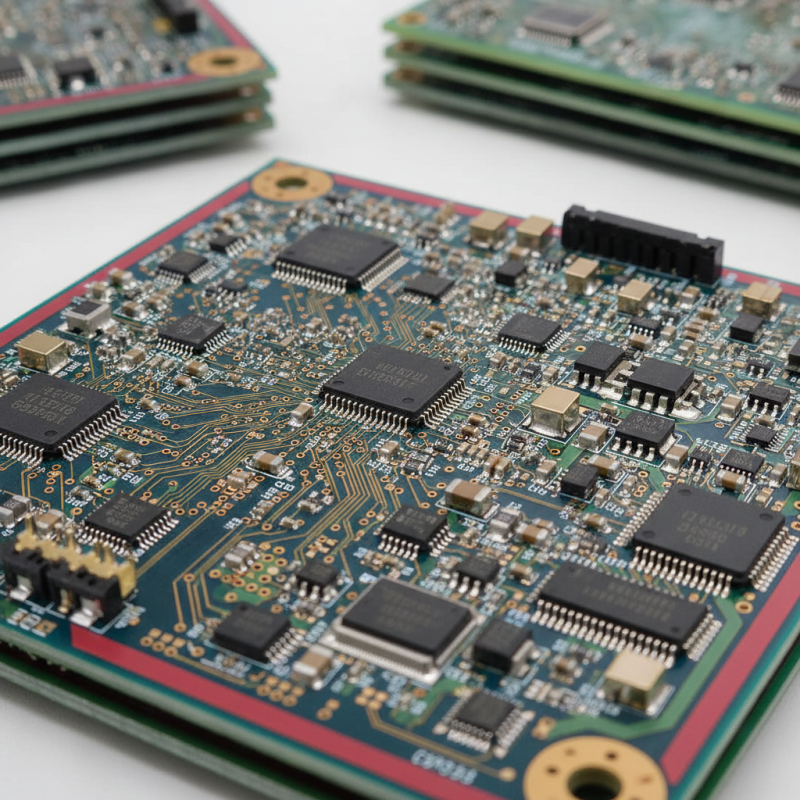
Printed Circuit Boards (PCBs) are crucial in modern electronics. They provide the foundation for electronic devices, acting as pathways for electrical signals. In 2022, the global PCB market was valued at approximately $78 billion and is projected to grow at a rate of 5% annually. This growth is fueled by increased demand in sectors like automotive and consumer electronics.
PCBs are essential for circuit miniaturization and reliability. High-density interconnect (HDI) boards allow for compact designs, supporting powerful electronics in smaller spaces. However, optimizing PCB design can be challenging. Designers often grapple with thermal management issues. Additionally, ensuring robustness while minimizing costs requires careful planning and materials selection.
Tips for PCB designers: prioritize material selection based on specific application needs. Sometimes, opting for a cheaper alternative can backfire with long-term reliability issues. Keep abreast of emerging trends in PCB technology. Awareness of new fabrication techniques can enhance performance, though they may require time to master. Lastly, remember that every design iteration is a learning opportunity. Embrace the imperfections, as they often lead to better solutions in the future.
Criteria for Selecting Top PCB Manufacturers in the Industry
When selecting the top PCB manufacturers, consider several key criteria. Quality is paramount. A manufacturer should consistently deliver reliable and defect-free products. It's crucial to examine their quality control processes. Inspecting certifications can provide insights into their standards.
Next, consider the manufacturer’s expertise. A good PCB manufacturer should have experience across various industries. This means they can handle complex designs and varied materials. The ability to process different technologies is often a sign of a versatile partner. Communication throughout the production process matters too. Manufacturers should openly discuss timelines and any potential issues.
It's also wise to evaluate their capabilities. Some manufacturers may lack advanced equipment, which can limit their production quality. Look for those that invest in technology. This often reflects their commitment to innovation. Finally, consider customer support. A responsive team can make a significant difference when challenges arise. This highlights an important aspect: manufacturers should be partners, not just suppliers.
Detailed Profiles of the Leading PCB Manufacturers
When exploring PCB manufacturers, it's essential to understand their capabilities. Many leading manufacturers focus on high-quality materials. Others prioritize rapid production times. Each has its strengths that cater to different industries. The technology used varies widely, from traditional methods to advanced automation.
Tip: Always assess the manufacturer’s experience. A company with a robust history often understands market demands better. They can adapt to changes, ensuring your project stays on track.
Quality certifications are critical in the PCB industry. Many manufacturers seek certifications to prove their reliability. However, not every manufacturer achieves high standards. Some fall short in maintaining quality due to scaling issues.
Tip: Look for reviews and case studies. They provide insights into a manufacturer’s reliability. This can save you time and trouble in the long run. Evaluate their past projects carefully. It gives a clearer picture of what to expect.
Top 10 PCB Manufacturers: Production Capacity Comparison
Emerging Trends in the PCB Manufacturing Sector
The PCB manufacturing sector is rapidly evolving. Technological advancements reshape how PCBs are designed and produced. Automation is becoming more common in factories. This improves efficiency but can lead to issues with job displacement. Workers must adapt to new roles.
Sustainability is another key trend. Manufacturers are exploring eco-friendly materials. This shift helps reduce environmental impacts. Still, the transition isn't easy. Some feel the pressure to balance cost and sustainability. Quality control remains critical, especially with new materials. Mistakes can be costly, affecting reliability.
Emerging technologies, like AI and IoT, are driving changes. They enhance production processes and improve design accuracy. However, these changes can overwhelm smaller manufacturers. They may struggle to keep up with rapid advancements. Innovating while maintaining quality remains a significant challenge for many. The future of PCBs is bright, yet complex.
Future Outlook for PCB Manufacturing and Its Key Players
The future outlook for PCB manufacturing is vibrant yet complicated. It is driven by advances in technology and increasing demand for electronic devices. As industries evolve, manufacturers face various challenges. For instance, innovation and sustainability are crucial for long-term success. Adapting to new materials and processes will be vital. The shift towards eco-friendliness can sometimes be overwhelming.
Many key players in the PCB industry are adapting to changing market needs. They are investing in research and development. This effort often leads to breakthroughs in efficiency and production quality. However, it's not always smooth. The race to keep up with rapid tech advances can strain resources. Some manufacturers struggle to balance innovation with cost. Finding the right talent also poses a challenge.
Moreover, global supply chain disruptions have heightened awareness. Many manufacturers need to rethink their strategies and logistics. They must incorporate flexibility in production to respond quickly to market changes. With these factors at play, the future of PCB manufacturing is a mix of opportunities and uncertainties.