Top LPG Storage Tank Options for 2026 What You Need to Know?
As the demand for efficient and safe energy storage grows, the importance of selecting the right LPG Storage Tank becomes evident. Industry expert Dr. Emily Carter states, “Choosing the right LPG Storage Tank is crucial for safety and operational efficiency.” This highlights the ongoing need for reliability in storage solutions.
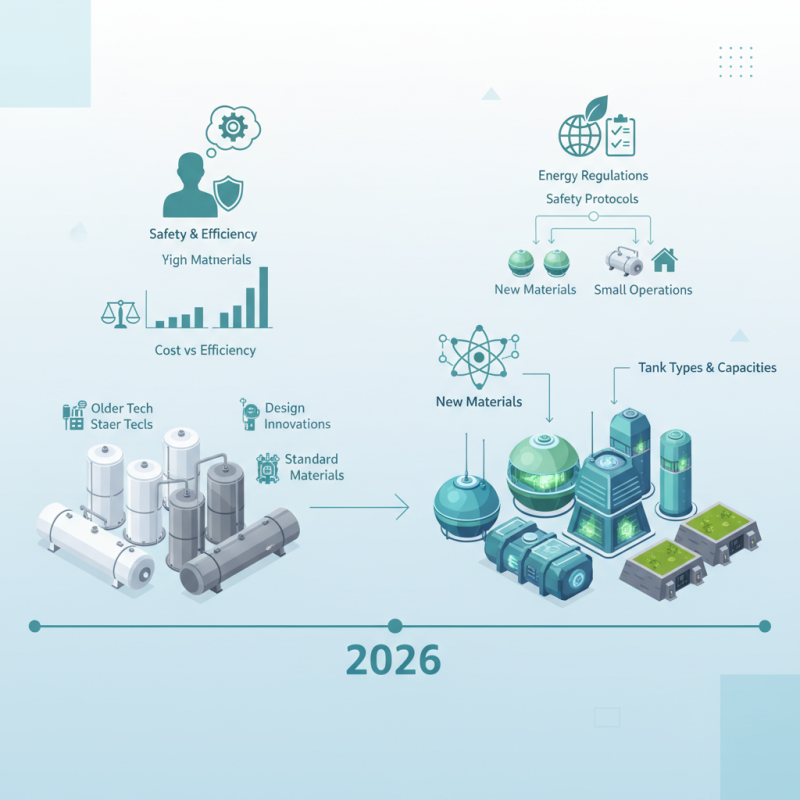
In 2026, the landscape of LPG Storage Tanks will evolve. With advancements in technology, new materials, and design innovations, options will expand. Companies must remain adaptable and informed. Understanding the different tank types and their capacities is vital. Each option has unique benefits and limitations that require careful consideration.
For instance, some tanks are designed for large-scale storage, while others cater to smaller operations. Companies may face challenges in balancing cost and efficiency. Energy regulations may add complexity to decisions. Awareness of safety protocols is essential. Making informed choices will determine operational success in the coming years.
Overview of LPG Storage Tanks and Their Importance
LPG storage tanks play a crucial role in energy distribution. They hold liquefied petroleum gas, ensuring a stable supply for various industries. By 2026, demand for LPG is projected to rise by 8% annually. This increase drives the need for efficient storage solutions.
Proper storage tanks help minimize risks such as leaks and explosions. According to a recent industry survey, 25% of LPG incidents stem from inadequate tank management. It’s vital to choose tanks that meet safety standards. Regular maintenance and inspection are essential.
Innovations in tank design are emerging. For instance, double-walled tanks offer better protection against environmental hazards. However, some facilities still use older models. This reflects a gap that needs addressing in the industry. Investments in modern technology could enhance safety and efficiency significantly.
Top LPG Storage Tank Options for 2026
This chart illustrates the projected capacity of various types of LPG storage tanks by 2026. The data showcases the importance of selecting the appropriate tank based on capacity and space requirements.
Key Factors to Consider When Choosing LPG Storage Tanks
When selecting LPG storage tanks for 2026, several key factors demand your attention. The choice of material is crucial. Common materials include carbon steel and aluminum. Each has its pros and cons. Carbon steel is robust and cost-effective. However, it may corrode over time. Aluminum resists corrosion but often incurs higher initial costs. Evaluate the local climate's impact on these materials.
Capacity is another important consideration. Storage tanks range widely from 500 to 30,000 gallons. A tank too small results in frequent refills. This might elevate operational costs. Meanwhile, overly large tanks can waste resources and occupy unnecessary space. Always align capacity with usage patterns.
Tips: Consider future growth. Investing in a larger tank may save money long-term.
Safety features cannot be overlooked. Look for tanks equipped with advanced leak detection systems. Regulatory compliance is essential. Failure to meet safety standards can lead to severe consequences.
Tips: Regular inspections and maintenance are vital. They help avoid costly failures.
Selecting the right LPG storage tank requires balancing costs, capacity, and safety features. Always research and reflect upon your unique needs.
Popular Types of LPG Storage Tanks for 2026
When it comes to storing liquefied petroleum gas (LPG), choosing the right tank is crucial for efficiency and safety in 2026. Common types of LPG storage tanks include above-ground tanks, underground tanks, and mobile tanks. Each option has unique benefits tailored to different needs. For instance, above-ground tanks are easier to access for maintenance. However, they can take up valuable space.
Underground tanks offer protection from weather conditions. They can last longer than above-ground options due to lower exposure to environmental elements. However, installation costs may be higher, and accessibility can be a challenge. Mobile tanks are versatile and often used in temporary applications. They provide flexibility but can pose safety risks if not handled properly.
Tips: Always conduct regular inspections. Ensure that all tanks meet safety regulations. Using appropriate sensors can help detect leaks early. It's vital to keep in mind that choosing an LPG tank is not just about capacity. Consider environmental factors, local regulations, and potential hazards. Research shows that 25% of all LPG incidents stem from inadequate storage solutions. This highlights the importance of selecting the right type for your needs.
Top LPG Storage Tank Options for 2026: What You Need to Know
| Tank Type | Capacity (Liters) | Material | Typical Use | Safety Features |
| Above Ground Tank | 1,000 - 5,000 | Steel | Residential, Commercial | Overfill protection, pressure relief valve |
| Underground Tank | 1,500 - 10,000 | Fiberglass/Polyethylene | Industrial, Large-scale Commercial | Leak detection system, corrosion protection |
| Portable Tank | 200 - 1,000 | Aluminum, Steel | Construction sites, Agricultural use | Secure locking system, pressure relief valve |
| Double-wall Tank | 1,000 - 20,000 | Steel | Refinery, Large Storage | Secondary containment, built-in safety monitoring |
Emerging Trends in LPG Storage Tank Technology
Emerging trends in LPG storage tank technology are reshaping the industry. Safety and efficiency are at the forefront of these innovations. New designs focus on minimizing leaks and improving inspections. Advanced materials are being used to increase durability. These changes help reduce environmental risks.
Digital monitoring systems are another key trend. These systems provide real-time data on tank conditions. They detect leaks or pressure changes instantly. This level of oversight enhances both safety and reliability. However, reliance on technology can raise concerns. What happens if systems fail? Backup plans must be in place.
Sustainability is driving new storage solutions. Eco-friendly tanks are becoming more common. They often use recyclable materials that minimize waste. Yet, the cost of these tanks can be a hurdle. Companies must weigh the benefits against initial investments. Balancing sustainability with affordability remains a challenge.
Safety Regulations and Standards for LPG Storage Tanks
When it comes to storing liquefied petroleum gas (LPG), safety is paramount. Regulations ensure that tanks are built to withstand various pressures and environmental conditions. These standards often vary depending on the location and intended use of the tank. For example, tanks for industrial purposes may need higher fire resistance features compared to residential tanks.
Proper installation is also crucial. Often, tanks must be placed at a safe distance from buildings and populated areas. This is to minimize risk in case of leaks or accidents. Many facilities fall short in following these spacing requirements. Regular inspections are necessary to identify any potential hazards. Corrosion, for instance, might not be visible at first glance but can lead to leaks over time.
Furthermore, training staff is essential. All personnel dealing with LPG must understand safety protocols. In many cases, facilities neglect to invest in proper training sessions. As a result, teams may not respond effectively to emergencies. It’s important to reflect on these areas for improvement. Regular reviews can help to enhance safety compliance and keep everyone safe.