Top 5 Electric Ball Valves You Should Consider for Your Needs?
When it comes to automation in fluid control, Electric Ball Valves are becoming increasingly popular. They offer efficiency and precision that manual valves simply cannot match. However, not all electric ball valves are created equal. Choosing the right one can be overwhelming.
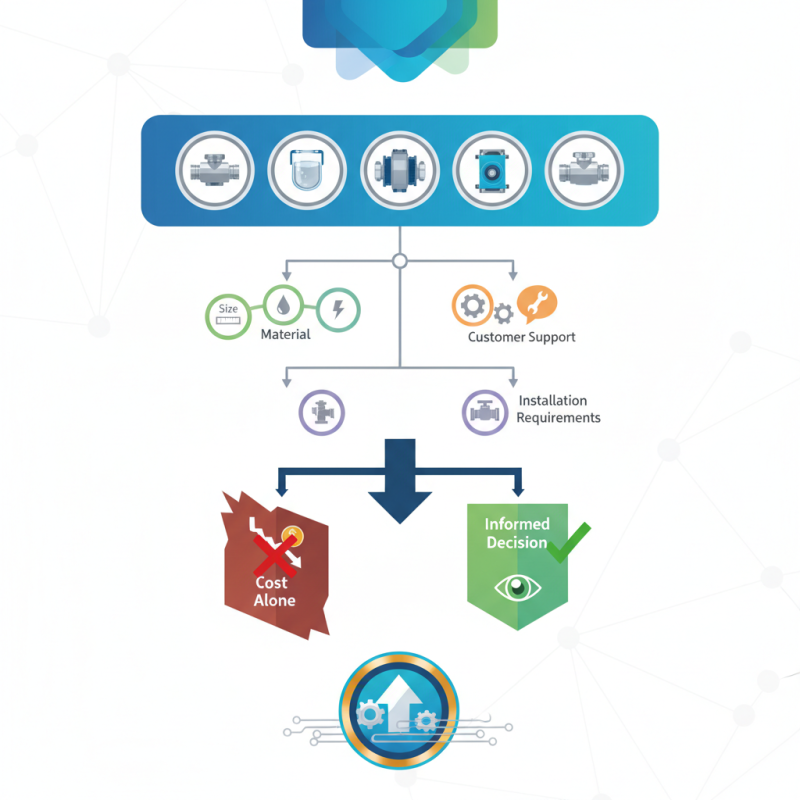
Many factors influence your decision. Consider the size, material, and voltage requirements carefully. Look for brands with a solid reputation and customer support. A high-quality valve can enhance your system's performance and longevity. However, many users still make choices based on cost alone. This approach can lead to regret.
Don’t overlook installation requirements either. Some valves may demand more complex setups. It's crucial to understand your specific needs before making a choice. Making an informed decision not only saves time but can prevent future headaches. In this guide, we will explore the top electric ball valves worth your consideration.
Understanding Electric Ball Valves and Their Functionality
Electric ball valves are essential components in various fluid control systems. They utilize a spherical disc to regulate flow quickly and efficiently. This design allows for precise operation, making them suitable for both on/off and throttling applications. The integration of electric actuators enhances their functionality. Users can easily automate the valve operations, ensuring better control over the system.
When selecting an electric ball valve, consider factors like size, material, and voltage requirements. Different materials, such as stainless steel or plastic, can affect durability and compatibility with fluids. Ensuring proper specifications is vital. A mismatch might lead to leaks or operational failure. It’s worth noting that while electric ball valves are highly effective, they can sometimes be more expensive than manual alternatives.
While they offer convenience, electric ball valves require regular maintenance. Regular checks can prevent unexpected shutdowns. Neglecting this can lead to more significant issues down the line. Users should also keep in mind that choosing the right actuator type influences performance. Sometimes, the best choice isn’t always clear-cut. Seeking expert advice can be helpful in making informed decisions.
Top 5 Electric Ball Valves: Performance Comparison
This bar chart compares the flow rates of the top 5 electric ball valves. The data represents the maximum flow rate achievable in gallons per minute (GPM), allowing users to assess the performance of each valve option for their specific needs.
Key Features to Look for in Electric Ball Valves
When choosing electric ball valves, several key features are crucial. First, look for the actuator type. Electric actuators generally offer precise control over fluid flow. According to industry reports, more than 60% of users prefer actuators with a range of torque specifications. Ensuring compatibility with your systems is vital. Many valves also come with fail-safe options. These enhance safety during unexpected power failures.
Another important feature is the valve body material. Stainless steel is commonly preferred for its durability and corrosion resistance. Studies show that the right material can extend the lifespan of a valve significantly. Moreover, consider the size and pressure rating. These parameters should align with the application requirements. Valves with mismatched specifications often lead to inefficiencies.
Connectivity is also worth noting. Many modern electric ball valves offer smart features for remote monitoring and control. This capability can significantly increase operational efficiency. However, some may struggle with integration into older systems, which requires careful evaluation. It's essential not to overlook these aspects when making a choice. Understanding your specific needs will help in selecting the right electric ball valve for your setup.
Top Brands and Models of Electric Ball Valves in the Market
When exploring electric ball valves, several top brands stand out in the market. Each model showcases advanced technology and unique features. Look for options that offer high precision and durability. Many valves are equipped with smart controls, enhancing overall system performance.
Consider the size and specifications that fit your specific needs. Some models cater to larger applications, while others are designed for smaller systems. Check the materials used in construction. This determines how well the valve holds up under varying conditions. Pay attention to the flow rates and pressure ratings, as these factors affect efficiency.
While many brands offer excellent solutions, not all may meet your requirements. It’s essential to weigh the pros and cons. Sometimes, the features you think you need may lead to complications. Reflect on your usage patterns and consider consultations if needed. Finding the right electric ball valve can greatly impact your operation’s success.
Installation and Maintenance Tips for Electric Ball Valves
Electric ball valves are essential components in various industrial applications. Proper installation and regular maintenance are crucial for optimal performance. Reports indicate that improper installation can lead to leakage and operational inefficiencies. Ensure that the valve is installed according to the manufacturer’s specifications. This prevents future issues and extends the lifespan of the equipment.
Routine maintenance is equally important. Studies suggest that nearly 30% of valve failures stem from inadequate upkeep. Regularly check for signs of wear or corrosion, especially in harsh environments. Lubrication is vital but must be done carefully to avoid over-lubrication, which can impede valve function. Keeping the actuator free of debris also enhances its performance.
Understanding the environment the valve operates in is vital. Extreme temperatures or aggressive chemicals can degrade components faster than expected. Regular inspections should include checking seal integrity and actuator responsiveness. Without these checks, you may experience unexpected downtimes. It’s clear that vigilance in installation and maintenance of electric ball valves is not just advisable; it’s necessary for reliable operation in any setting.
Applications and Use Cases for Electric Ball Valves
Electric ball valves are becoming increasingly popular in various applications. They provide efficient flow control in industries such as water treatment, HVAC, and oil and gas. According to a report by Grand View Research, the global electric valve market is projected to reach over $9 billion by 2025. This indicates a strong demand for these valves in multiple sectors, reflecting their reliability and functional advantages.
In water treatment, electric ball valves help regulate water flow with precision. They minimize the risk of leaks and ensure optimal performance in pumping systems. These valves can be operated remotely, making them ideal for automated systems. In the HVAC sector, they control heating and cooling distributions, enhancing energy efficiency. A study from the American Society of Heating, Refrigerating and Air-Conditioning Engineers (ASHRAE) highlighted that automated systems reduce energy costs by up to 30%.
Despite the advantages, there are challenges. Maintenance of electric ball valves can be overlooked. For instance, dirt or debris can hinder their operation. This oversight may lead to reduced efficiency over time. Additionally, initial costs may be higher when compared to manual valves. Users must weigh the long-term benefits against upfront investments. Balancing these factors is crucial for successful implementation in any project.