Top 10 Benefits of Using a Spray Painting Line for Your Business?
The "Spray Painting Line" has become an essential asset for businesses in various industries. According to a report by the American Coatings Association, the global market for spray painting equipment is projected to reach $8 billion by 2025. This growth indicates a rising trend towards automation and efficiency in spray painting processes. Companies are turning to modern solutions to enhance productivity and achieve better finish quality.
Implementing a Spray Painting Line can streamline operations significantly. It reduces labor costs while increasing consistency and precision in application. Data from industry studies highlights that automated systems can boost output by up to 30%. However, many businesses still overlook the potential of these systems, often due to initial investment concerns. It's important to reflect on these reservations.
In today's competitive landscape, the advantages of adopting a Spray Painting Line are clear. Enhanced efficiency and superior finish quality are crucial factors driving this trend. Yet, companies must also consider the challenges that arise with such transitions, including training and maintenance. Balancing these aspects can lead to overall improvement and success in production quality.
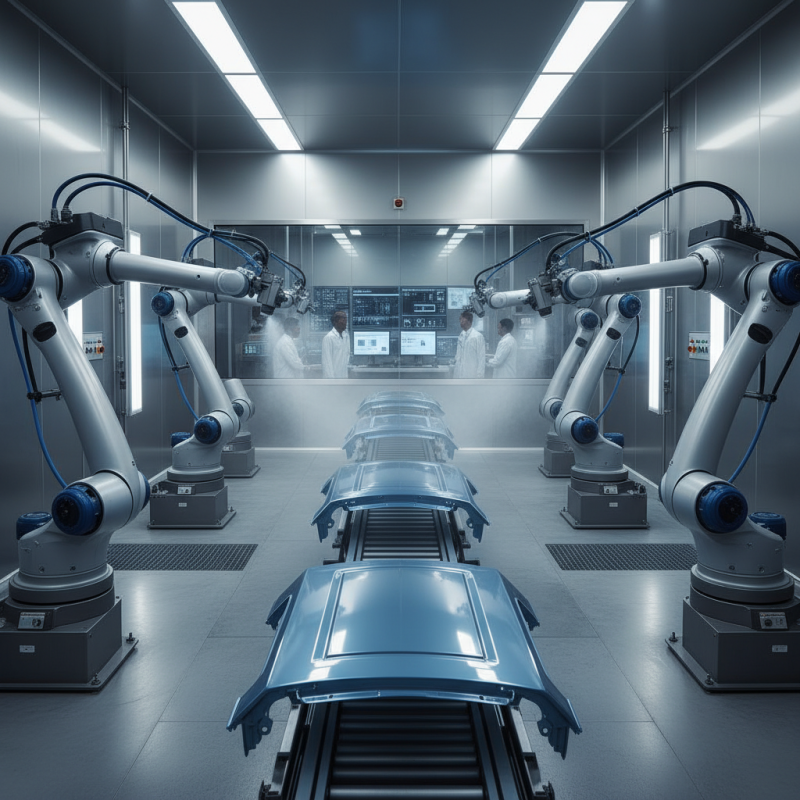
Advantages of Increased Efficiency with Spray Painting Lines
Investing in a spray painting line can significantly boost operational efficiency in manufacturing. These lines automate the painting process, reducing the time spent on each piece. For instance, a single operator can manage multiple stages simultaneously, leading to faster production rates. Improved precision in spray patterns minimizes the need for touch-ups, which can be a time-consuming task. Over time, reduced labor costs and faster turnaround can lead to a substantial return on investment.
However, introducing a spray painting line isn't without its challenges. Companies may face initial setup complexities or integrate system inefficiencies. Some operators might require additional training, which can disrupt workflow temporarily. Identifying and addressing these imperfections is crucial. In order to maximize the benefits, regular maintenance of the equipment is essential. This ensures that the systems remain efficient and reliable over time. Despite these hurdles, the long-term gains from efficiency in production can outweigh the initial drawbacks. Finding a balance between perfect automation and human oversight may lead to optimal results.
Cost Savings through Automation in Spray Painting Processes
In recent years, automation has emerged as a game-changer in various industries. Spray painting lines exemplify this trend. By implementing automated painting processes, businesses can significantly reduce labor costs. Workers can focus on more complex tasks while machines handle repetitive actions. This shift not only boosts efficiency but also minimizes the risk of human error.
However, transitioning to automation requires careful planning. Initial investments may be substantial. Companies must evaluate long-term savings against upfront expenses. Additionally, not all processes are easily automated. Certain surfaces may need manual touch-ups, which can lead to inconsistencies. Regular maintenance of machines is also crucial. Downtime can eat into the savings achieved through automation.
Despite these challenges, the potential cost savings can be substantial. Businesses can save on materials through precise paint application. Less waste means lower costs and a smaller environmental footprint. Accurate automation leads to uniform finishes, enhancing product quality. As companies continue to innovate, refining automation will be an ongoing process. The journey towards complete efficiency is not without its hiccups, but the benefits can be transformative.
Improved Quality Control and Consistency in Spray Painting
In the world of manufacturing, improved quality control and consistency are crucial for success. Implementing a spray painting line is an effective way to achieve these goals. According to a report by the International Journal of Advanced Manufacturing Technology, automated spray painting systems increase paint application precision by up to 30%. This leads to fewer defects and a higher quality finish.
One common challenge businesses face revolves around traditional painting methods. Manual spray techniques can create variability in application. This inconsistency may cause product rework or scrap rates to rise, ultimately affecting the bottom line. With an automated spray painting line, companies can standardize their processes. This results in a reliable and repeatable finish across all products.
Tip: Regularly calibrate your spray equipment. Consistent checks can minimize deviations and improve overall performance.
The transition to an automated system provides cost efficiencies. While the initial investment might raise concerns, data suggests manufacturers often see returns within 18 months. For instance, a study from IndustryWeek reported a 25% boost in production rates after switching to an automated spray line.
Tip: Train your staff adequately on the new system. Knowledgeable operators help maintain quality standards.
While automation can enhance quality, it's not a cure-all. Businesses must adapt their processes continuously. Regular assessments and updates can help prevent stagnation and ensure long-term success.
Reduction of Material Waste and Environmental Impact
Spray painting lines can seriously help businesses reduce material waste. Traditional painting processes often result in overspray, generating excess paint that typically ends up as waste. Reports show that companies using automated spray lines can reduce paint usage by up to 30%. This reduction not only saves money but also lowers environmental impact significantly.
A well-designed spray painting line improves efficiency. Properly controlled spray techniques lead to precise applications. This minimizes paint overspray and VOC emissions, further benefiting the environment. Consider implementing a system that recycles unused paint. By doing this, you can keep waste to a minimum and extend the life of your materials.
Tip: Regular maintenance of your spray equipment is crucial. A clean system operates better and uses less material. Also, train your workforce on proper painting techniques. Better skills lead to less waste and a smoother finish. Evaluate your processes regularly. Look for areas needing improvement. Small adjustments can yield big benefits over time.
Enhanced Flexibility for Diverse Painting Applications
In the world of manufacturing, flexibility is vital. A spray painting line offers remarkable versatility for diverse applications. According to industry studies, up to 70% of manufacturers report increased productivity with such systems. This increase stems from the ability to accommodate various parts and materials. Companies can switch between different paint types and finishes easily. This adaptability significantly reduces downtime and boosts output.
Moreover, the advanced technology behind spray painting lines allows for customized solutions. Businesses can create tailored processes for unique components, enhancing the quality of their finishes. In a competitive market, meeting specific client demands is a game changer. For instance, a recent survey indicated that 65% of businesses using flexible painting lines saw an uptick in customer satisfaction ratings.
Yet, not all applications are seamless. Some managers face challenges in maintaining consistency and quality across multiple products. Inconsistent results may arise, especially when switching paints quickly. Continuous monitoring and adjustments become necessary. Striving for perfection can be demanding. Finding the right balance between flexibility and quality control is crucial for long-term success.