Top 10 Benefits of Using Plastic Injection Molds for Manufacturing?
Plastic Injection Molding is a revolutionary process in modern manufacturing. According to industry expert John Davis, “The efficiency of using Plastic Injection Molds transforms production.” This technique allows for high precision and versatility, making it a preferred choice for many manufacturers.
The method offers numerous benefits. For example, it significantly reduces material waste. This is vital in an industry where costs can escalate quickly. Designers can create complex shapes with ease, enhancing product functionality. However, it's essential to note that not every design is suitable for injection molding. Some projects may require additional considerations.
Moreover, the setup costs for Plastic Injection Molds can be high initially. Companies need to weigh these costs against long-term production savings. Despite challenges, the advantages often outweigh the drawbacks. The balance of investment and efficiency is crucial in decision-making. The journey in utilizing this technique is not without its reflections and learning curves.
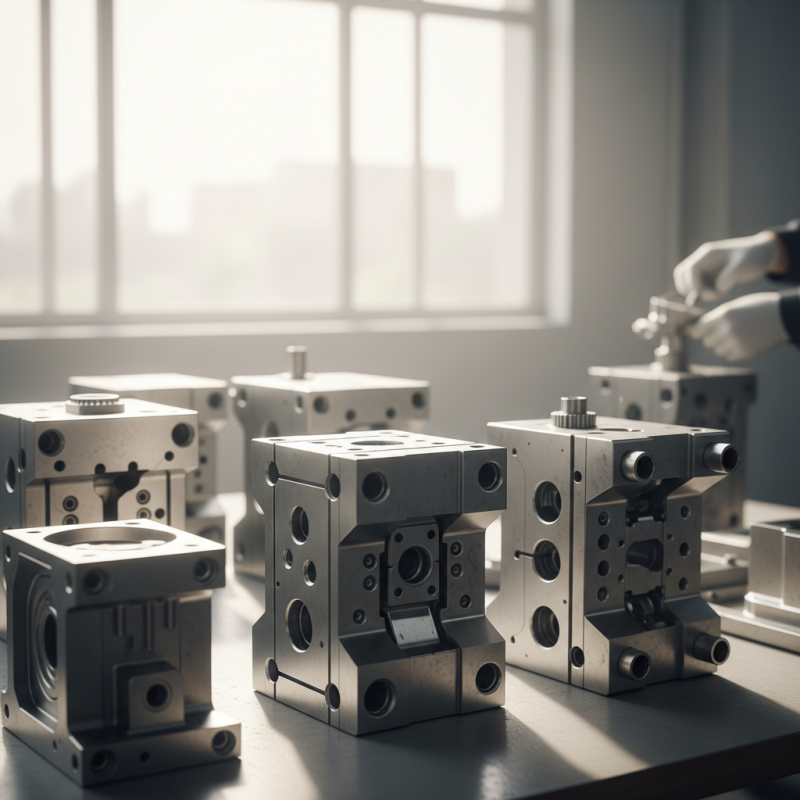
Advantages of Efficient Production with Plastic Injection Molding
Plastic injection molding is a game-changer in manufacturing. It offers remarkable advantages for mass production. This method allows for intricate designs and high precision. The process creates consistent quality across multiple units. Parts produced are often lightweight yet durable.
Efficiency is a key advantage. Molding can produce thousands of parts quickly. Shorter production times mean faster market entry. However, the initial setup can be costly. Companies must weigh the investment against the benefits. The need for skilled operators also complicates things. Finding the right talent can be a challenge.
Sustainability is another factor. Many companies are exploring greener materials. Recycling plastics can lead to a circular economy. However, this requires careful planning and innovation. Not all brands prioritize this approach, which raises concerns. Balancing cost, efficiency, and eco-friendliness is crucial for success.
Cost Effectiveness of Plastic Injection Molds in Mass Manufacturing
Plastic injection molding is widely recognized for its cost-effectiveness in mass manufacturing. This method allows for rapid production of complex parts. The initial setup costs can be high, but the long-term savings are significant. Once the molds are created, the cost per unit decreases dramatically as production scales up. This makes it a preferred choice for large-scale projects.
Consider these tips: Focus on design efficiency. Reducing the number of components in a product can lower mold complexity. Simplified designs can reduce manufacturing time and costs. Keep in mind that intricate molds may require more maintenance and repairs over time. It's essential to balance complexity with practicality.
Another aspect to consider is material selection. Different plastics have varied costs and properties. Selecting the right material can impact both the final product and production expenses. Cheaper materials might save money initially but could lead to higher costs if they fail or need frequent replacements. Test various materials to find the best fit for your needs. Reflect on the balance between cost and quality. Sometimes, paying a little more upfront can lead to better overall value.
Versatility in Design: Customization with Injection Molds
Plastic injection molds offer remarkable versatility in design, allowing manufacturers to create intricate shapes and customized features. According to industry research, nearly 80% of plastic parts are made using injection molding. This statistic underscores the importance of molds in modern manufacturing processes. Customization becomes its own art form, enabling businesses to tailor products to meet specific market demands or aesthetic preferences.
The beauty of injection molds lies in their capability to produce high volumes of identical parts quickly. This efficiency is critical in industries like automotive and consumer goods. However, reliance on standard designs can stifle creativity. While molds can be tailored, they often require significant investment and time for alterations. Each adjustment can lead to challenges in production timelines and costs.
Furthermore, the process demands a deep understanding of materials and their behavior under pressure. In some instances, adapting a mold for different materials can result in performance issues. Research indicates that nearly 30% of injection-molded parts face quality control challenges. It’s crucial for manufacturers to remain mindful of these potential pitfalls during the design phase. Each decision in mold creation ripples through the entire production line.
Enhanced Precision and Quality of Injection Molded Products
Plastic injection molding stands out for its enhanced precision and quality. This manufacturing technique offers tight tolerances that ensure each product meets strict specifications. The molds are designed to produce consistent parts every time. This uniformity is essential in various applications, from automotive to consumer products.
Tips: When designing a part, consider the feasibility of the mold. Complex designs may lead to higher production costs. Keep it simple to enhance precision.
Another significant advantage is the smooth finish of injection-molded products. This quality reduces the need for extensive post-processing. However, achieving this result requires careful mold design. Small imperfections can arise if the mold isn’t perfectly manufactured.
Tips: Use high-quality materials for molds to improve longevity and performance. Regular maintenance of the molds can also help maintain product quality.
In conclusion, investing in plastic injection molding not only boosts the precision of your products but also streamlines the manufacturing process. Achieving high quality consistently relies on attention to detail throughout design and production stages.
Reducing Waste and Environmental Impact through Injection Molding
Plastic injection molding offers significant advantages for manufacturers, particularly in terms of reducing waste. This method utilizes a closed-loop system, minimizing material loss. Any excess plastic can often be recycled and reused. This efficiency helps lower production costs while also being kinder to the planet.
Moreover, injection molding enables precise control over the manufacturing process. This precision means that components have fewer defects, leading to less waste. However, there can still be instances where materials are improperly mixed or molded incorrectly. These are areas for improvement, as reducing such errors further enhances sustainability. Adopting new technologies can help, but the human element remains crucial.
The environmental impact of plastic production remains a topic of concern. While injection molding is efficient, the sources of plastics and their disposal after use must be considered. Striking a balance between industrial demands and ecological responsibility is challenging. Continuous evaluation of these processes is needed to truly maximize their benefits.