What is a Tandem Cold Rolling Mill and How Does it Work?
The tandem cold rolling mill is a critical piece of equipment in metal processing. It enables the production of thin sheets with high precision and efficiency. According to a report by MarketsandMarkets, the cold rolling market is expected to reach USD 100 billion by 2025. This growth highlights the importance of the tandem cold rolling mill in the industry.
Experts like Dr. Emily R. Harris, a renowned metallurgist, emphasize its significance: "tandem cold rolling mills are revolutionizing steel production." These mills reduce the thickness of metal sheets in a continuous process. They combine several rolling stands, allowing for greater productivity and reduced energy consumption.
However, challenges remain. Mill operators must address issues like process stability and roll wear. These factors can affect the quality of the final product. Continuous improvements are essential for maintaining competitiveness in the metal industry. The tandem cold rolling mill stands at the forefront, indicating the need for ongoing innovation and adaptation.
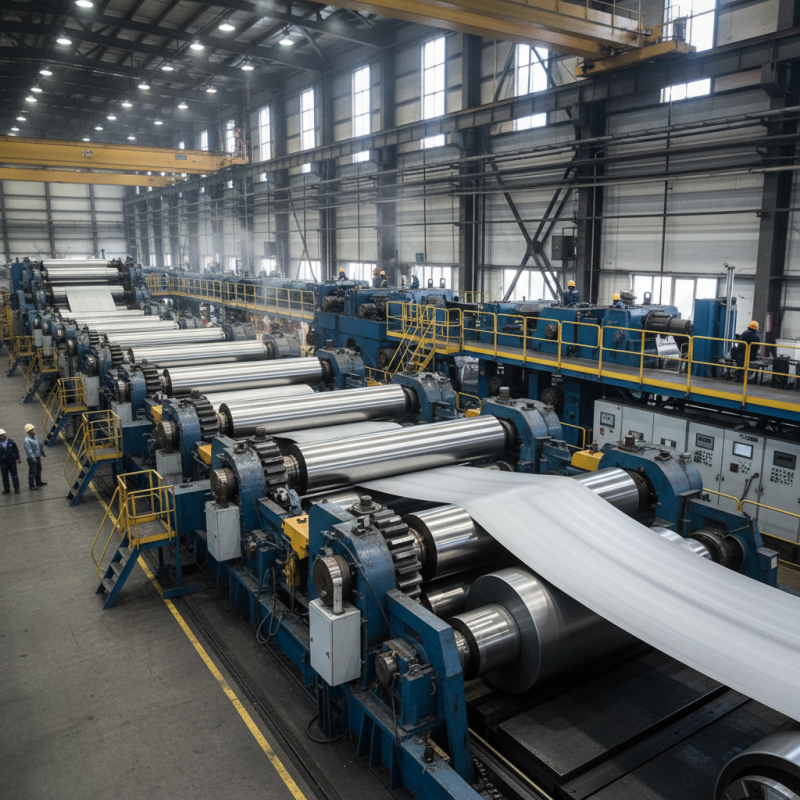
What is a Tandem Cold Rolling Mill?
A tandem cold rolling mill is a type of equipment used in the manufacturing of metal sheets. This mill operates by sequentially passing metal through multiple rolling stands. Each stand reduces the thickness of the metal progressively. The process enhances the metal's strength and improves surface quality.
In a typical setup, the metal enters the first stand, where it is significantly flattened. After passing through each successive stand, the metal sheet becomes thinner. This intricate process requires precision. The speed and pressure must be carefully controlled. Timing is crucial, as any inconsistency can lead to defects. This highlights an important aspect of production: even small errors can lead to significant quality issues.
The result is a continuous sheet of metal with superior characteristics. However, the operation is not without challenges. Maintenance can be demanding, and downtime affects productivity. Operators need to be vigilant. Regular monitoring and adjustments are vital to ensure optimal performance. Understanding these complexities can lead to better production outcomes in the long run.
The Components of a Tandem Cold Rolling Mill
A tandem cold rolling mill is a complex system designed to reduce the thickness of metals. It typically consists of several stands, each equipped with rolls that physically compress the metal strips. The alignment of these stands is crucial for effective rolling. Each stand plays a unique role in the process. The metal enters one stand, gets thin, and then moves to the next.
The major components include the rolling stands, which contain pairs of heavy rolls. These rolls apply pressure to the metal, forcing it into a thinner shape. There are also drives that power these rolls, ensuring consistent operation. Roll cooling systems help maintain optimal temperatures during the process. This is vital because excessive heat can affect metal properties.
Another important element is the automation system. This monitors the entire process, making adjustments in real-time. This component could benefit from improvement, as minor glitches can lead to significant issues. Additionally, proper maintenance of the rolling mill is essential. If neglected, it can cause breakdowns and reduce overall efficiency. Attention to detail in every component ensures a smoother production line.
The Process of Tandem Cold Rolling Explained
Tandem cold rolling is a critical process in metal manufacturing. It involves passing metal sheets through several rollers in a sequence to reduce thickness and improve surface quality. This method enhances production efficiency and creates thinner metals than traditional processes allow. According to industry reports, this method can produce materials with a thickness reduction of up to 90%.
The process begins with the pick-up of metal coils. These coils are then fed into a series of rollers. Each roller applies pressure, breaking down the metal's structure while improving its mechanical properties. As the metal passes through, it becomes progressively thinner and stronger. A notable point of concern is managing the heat generated during rolling. Improper heat management can lead to defects in the final product.
Tips: Ensure proper lubrication in each phase of the rolling process. This minimizes wear on the rollers and reduces the chance of imperfections. Regular maintenance of equipment is key to optimizing performance. Operators should also monitor the metal's temperature closely. Tight temperature control can enhance product quality significantly. This process requires constant vigilance and adjustments, reflecting the complexity of modern metallurgical practices.
Advantages of Using a Tandem Cold Rolling Mill
A tandem cold rolling mill is an advanced setup widely used in the metalworking industry. It processes metal sheets through several conjoined rollers, reducing thickness and enhancing surface quality. The key advantage of this system is its efficiency. According to a report by the International Journal of Materials Processing, tandem mills can improve production rates by up to 50% compared to traditional single-stand mills. This increase in productivity is critical in meeting high demand.
Another notable benefit is resource optimization. The energy consumption in tandem cold rolling can be lower. A 2021 study highlighted that mills operating in tandem reduce energy usage by about 20%. This is significant as energy costs continue to rise globally. Reduced material waste also contributes to sustainability efforts, aligning with industry targets for lower environmental impact.
However, there are challenges that need attention. For instance, maintaining consistent quality across multiple stands can be complex. Fluctuations in metal properties may cause variations. Ensuring proper coordination among stands is vital. Operators must constantly monitor rolling conditions to avoid issues. The intricate balance between speed and quality can be a source of frustration. Understanding these nuances is essential for optimizing performance in tandem mills.
Applications of Products from Tandem Cold Rolling Mills
Tandem cold rolling mills play a crucial role in producing various metal products. These mills can create thin sheets and strips of metal, which are widely used in different industries. The process involves passing metal through multiple rolls, reducing its thickness while improving its surface quality. This method is efficient and cost-effective, making it popular in metal manufacturing.
One of the notable applications of products from tandem cold rolling mills is in the automotive industry. Manufacturers use rolled sheets for car body components. These products must maintain high strength while being lightweight. This requirement can be challenging, and not all mills can achieve this balance. An inconsistent thickness could lead to weaknesses, affecting safety.
Additionally, these mills supply materials to the electronics sector. Thin sheets are essential for creating circuit boards and enclosures. Here, precision is key. A slight variation in thickness can lead to failures in electronic devices. It's vital to ensure quality control throughout the rolling process.
Tips: Regular maintenance of the rolling mill machinery is crucial. This helps in minimizing defects. Monitor the temperature and speed carefully during production. This ensures an even finish and better quality products. Continuous improvement is necessary to meet the evolving demands of industries.