How Do Solenoid Valves Improve Irrigation Efficiency?
In modern agriculture, efficient irrigation is essential for optimal crop yield. Farmers face challenges like water scarcity and uneven distribution. This is where the Solenoid Valve In Irrigation Systems comes into play. These valves are vital components that control water flow with precision. They automate irrigation, reducing manual labor and wastage.
Solenoid valves respond quickly to electrical signals. This means water can be turned on or off in seconds. Such efficiency allows for tailored watering schedules, catering to specific crop needs. However, not all systems are perfect. Sometimes, the integration of a solenoid valve is complicated by existing infrastructure limitations. Careful planning is required. Farmers must assess their current systems before adaptation.
Efficiency is crucial, but overreliance on technology can lead to neglect in other areas. Training and knowledge about solenoid operation are necessary. Understanding potential failures can prevent costly mistakes. Improving irrigation with solenoid valves enhances productivity. But, it also highlights the need for a balanced approach to agricultural practices.
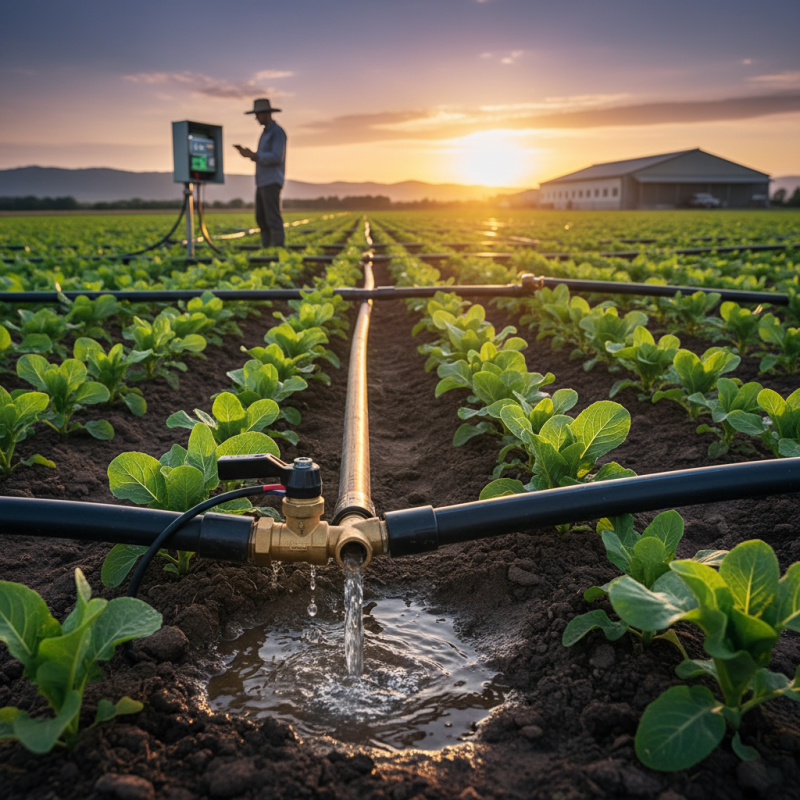
Overview of Solenoid Valves and Their Function in Irrigation
Solenoid valves play a vital role in modern irrigation systems. These devices control the flow of water with precision. By using an electric current, they can open or close water passages swiftly. This timely response helps maintain optimal moisture levels in the soil. Imagine a garden that receives just the right amount of water at the right time. The result is efficient water usage.
In addition, solenoid valves reduce human error. Traditional systems often depend on manual adjustment, leading to overwatering or underwatering. Such mistakes can lead to wasted resources. A single faulty valve might ruin an entire irrigation zone. However, with automation, these risks diminish. Yet, there are challenges, like power failures disrupting operations. Regular maintenance is essential but often overlooked.
Farmers appreciate the reliability of solenoid valves. They are not foolproof, though. Environmental factors can affect their performance. For instance, dirt and debris can clog valves, causing malfunctions. Addressing this requires diligence. Still, the convenience and efficiency they bring outweigh these issues. Fine-tuning the system is an ongoing process. Careful attention is key to maximizing their benefits.
Mechanisms of Solenoid Valves Enhancing Water Flow Control
Solenoid valves play a crucial role in improving irrigation efficiency. By automating water flow control, they help farmers manage water usage more precisely. According to a report from the Irrigation Association, modern automated systems can reduce water waste by up to 30%. This saving comes from the precise timing and regulation of water flow, allowing for targeted irrigation.
The mechanisms involved in solenoid valves are simple yet effective. When an electric current passes through the coil, it creates a magnetic field. This field opens or closes the valve, regulating water flow accurately. Such precision prevents overwatering, which can lead to soil erosion and crop damage. Studies show that improper water management can reduce crop yields by as much as 50%.
However, not all systems are perfect. Some solenoid valves may fail due to electrical issues or leaks. This can lead to unexpected water loss and increased costs. Regular maintenance is essential to ensure that these systems work effectively. Reflecting on these challenges can lead to improvements and better water conservation practices in agriculture.
How Do Solenoid Valves Improve Irrigation Efficiency?
This chart illustrates the impact of solenoid valves on irrigation efficiency by comparing the water flow control across different systems. The data shows the percentage of efficiency improvement when solenoid valves are employed in irrigation systems versus traditional manual controls.
Impact of Solenoid Valves on Irrigation System Efficiency
Solenoid valves play a pivotal role in enhancing irrigation system efficiency. These devices automatically control the flow of water in irrigation systems. They respond quickly to signals, turning on or off as needed. This reduces waste, ensuring water is used effectively for crops.
Using solenoid valves leads to significant reductions in water usage. They allow precise control of watering schedules. Timers can be programmed to activate the valves, ensuring plants get what they need. This precise management avoids overwatering and underwatering, common issues in traditional systems.
However, it's important to consider installation and maintenance. Improper setup can lead to issues like leaks or uneven watering. Regular checks are necessary to keep the system functioning well. Reflecting on the automation's impact, one might find it easier yet prone to errors without regular human oversight. Balancing technology and hands-on care is essential for maximum efficiency.
Comparative Analysis: Solenoid Valves vs. Traditional Valve Systems
Solenoid valves are revolutionizing irrigation systems. Their design offers precise control over water flow, enhancing efficiency. Traditional valve systems often struggle with consistency. Data reveals that solenoid valves can reduce water usage by up to 20% when compared to older technologies. This reduction is crucial in times of drought and water scarcity.
Moreover, solenoid valves are easier to automate. Smart irrigation systems can be programmed for optimal watering schedules. A 2021 report highlighted that these systems can improve crop yields by approximately 15% due to better water management. However, initial installation costs can be a concern for some farmers. They may hesitate to transition from traditional systems.
Repair and maintenance pose challenges too. Solenoid valves can malfunction if not properly maintained. Regular checks are essential to avoid unnecessary water wastage. While solenoid valves undoubtedly offer advantages, the reliance on automation can lead to complacency. Continuous monitoring is necessary to ensure efficiency remains high.
Future Trends in Solenoid Valve Technology for Agriculture
The future of solenoid valve technology in agriculture looks promising. Recent market reports indicate that the global solenoid valve market is projected to grow by over 7% annually through 2025. This growth is driven by the increasing demand for efficient irrigation systems. Farmers are recognizing the potential of these valves to reduce water wastage significantly.
Innovations in materials and design are improving the efficiency of solenoid valves. New types are more resistant to corrosion and wear. Some models now feature smart technology for remote monitoring. This allows farmers to control water flow from their smartphones. However, not all farms can easily integrate these systems. There are still challenges in upgrading existing infrastructure.
Despite advancements, there's potential for error. Incorrect installation can lead to leaks and inefficiencies. Training for farmers on proper use remains critical. Future developments should also focus on affordability. As technology evolves, ensuring that small-scale farmers can access these improvements is essential for equitable growth in irrigation practices.