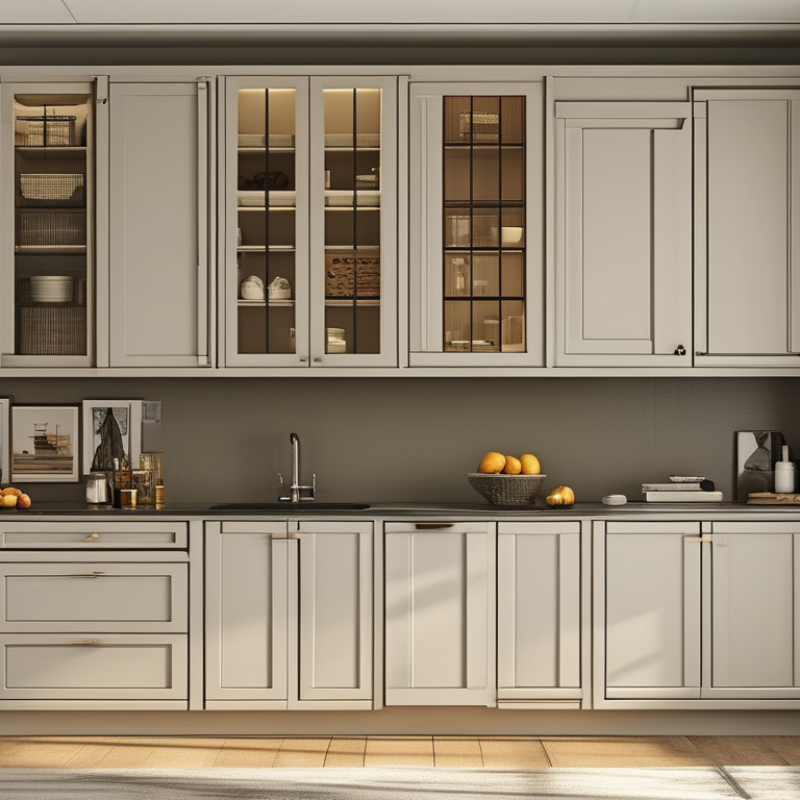
What is Soft Close Cabinet Hinges and How Do They Work?
Soft Close Cabinet Hinges have revolutionized kitchen and furniture design. These innovative hinges provide a gentle, silent closing action, enhancing the user experience. Imagine a cabinet door that glides shut without a hard slam. This feature not only protects the furniture but also reduces noise in your home.
Understanding how Soft Close Cabinet Hinges work can help you appreciate their value. The mechanism uses hydraulic or pneumatic systems to slow down the door as it closes. This ensures a smooth finish, preventing damage and increasing longevity. However, not all hinges perform equally; installation and quality matter.
Exploring the potential drawbacks is essential. Some users may find the soft close feature unnecessary. Others may experience wear over time, leading to functionality issues. Weighing these factors is crucial before making a decision. Soft Close Cabinet Hinges offer many advantages but consider your lifestyle and needs.
What Are Soft Close Cabinet Hinges?
Soft close cabinet hinges are innovative hardware designed for modern cabinetry. They provide a gentle, controlled closure that prevents slamming doors. This mechanism is especially beneficial in busy kitchens and bathrooms, where frequent use could lead to wear and tear. The soft close feature adds an element of luxury, making cabinets feel more refined.
These hinges work using a hydraulic or pneumatic system. When the door is slowly closed, the hinge absorbs the momentum, easing the door shut. This prevents sudden impacts that can cause damage over time. Many homeowners appreciate the quiet operation of soft close hinges. They can reduce noise and enhance the overall atmosphere of the home.
However, there are challenges with soft close hinges. Installation can be tricky, especially for DIY enthusiasts. Sometimes, the hinge may need adjustment to work correctly. Users may find that the mechanism wears out faster than anticipated if not maintained. Observing the performance over time can inform whether it's worth the investment. The balance between functionality and cost often requires careful consideration.
Benefits of Using Soft Close Hinges in Cabinets
Soft close cabinet hinges have transformed the way we interact with our cabinets. These hinges ensure that doors close softly and silently, preventing slamming. According to industry reports, nearly 70% of homeowners prefer soft close mechanisms for their kitchen cabinets. This preference reflects a desire for both functionality and serenity in home design.
One major benefit of soft close hinges is their ability to reduce noise. Homes with children or pets can be especially chaotic. A small feature like a soft close hinge can significantly decrease disturbances throughout the day. Additionally, soft close hinges contribute to the longevity of cabinets. They mitigate wear and tear on hinges and doors, extending the lifespan of the cabinetry. Research indicates that, on average, cabinets with these hinges last 30-50% longer than those without them.
Beyond practicality, soft close hinges are also associated with safety. Sudden slamming cabinet doors can lead to accidents or injuries. Homes with soft close doors see a lower incidence of such incidents. However, despite these advantages, some users report issues with installation complexity and alignment challenges. This highlights the need for careful consideration during installation to maximize the benefits of soft close hinges.
How Soft Close Mechanism Operates
The soft close mechanism in cabinet hinges significantly enhances kitchen and bathroom cabinetry. This mechanism utilizes a hydraulic piston to control the speed at which a cabinet door closes. When the door nears closure, the piston engages, reducing the speed and gently pulling the door shut. This prevents slamming, extending the longevity of both the cabinet and the hinge system.
Research from industry reports indicates that soft close hinges can improve user satisfaction by 85%. Many homeowners appreciate the quieter, smoother operation of these hinges. Additionally, the soft close feature minimizes wear and tear on cabinets, contributing to lower maintenance costs over time. The reduction in noise and damage is particularly beneficial in environments with young children or open-concept living spaces.
Despite the advantages, some users encounter frustration during installation. The precise calibration required for optimal function can be challenging. Furthermore, soft close features may not be suitable for all cabinet types or designs. The initial investment can also be higher, which leads some to reconsider whether the benefits are worth the cost. Nonetheless, the increasing popularity of soft close cabinet hinges indicates a growing recognition of their value in modern cabinetry.
Installation Process for Soft Close Cabinet Hinges
Installing soft close cabinet hinges can significantly enhance cabinet functionality. These hinges provide a smooth and gentle closing action, reducing noise and potential damage. According to industry reports, approximately 80% of homeowners prefer soft close mechanisms for their cabinets. Proper installation is key to maximizing these benefits.
The process begins with selecting the right hinge type. Soft close hinges come in various styles, designed for specific cabinet configurations. Measuring accurately is crucial; ensure the hinge placement aligns with the cabinet door and frame. Attach the mounting plate first, followed by the hinge arm to the door. It's essential to allow some clearance to facilitate smooth movement.
After securing the hinges, test the door’s closing motion. Observing the speed and sound of closure reveals a lot about the installation quality. If the door slams instead of gently closing, revisit the positioning. Some installers overlook adjustments, which can lead to operational issues. Fine-tuning may require additional trial and error, emphasizing the importance of patience in achieving the perfect soft close feature.
Maintenance Tips for Soft Close Hinges
Soft close cabinet hinges are a fantastic addition to any kitchen or bathroom. They provide a gentle, controlled closing motion, which reduces noise and prevents slamming. To keep these hinges functioning smoothly, regular maintenance is essential.
Inspecting the hinges periodically is a good practice. Look for signs of wear or damage. Over time, dust and grease can accumulate, affecting their performance. A simple wipe with a damp cloth can often do the trick. For more stubborn grime, consider using a mild cleaner.
Lubrication is key in maintaining soft close hinges. Use a silicone spray or a similar product. Apply it sparingly to avoid buildup. Sometimes, you may notice a squeaky noise, indicating it’s time for lubrication. If the hinge seems loose, tightening screws is necessary. Neglecting these steps can lead to performance issues, like uneven closing or premature wear.