Why Invest in a Packing Machine for Your Business?
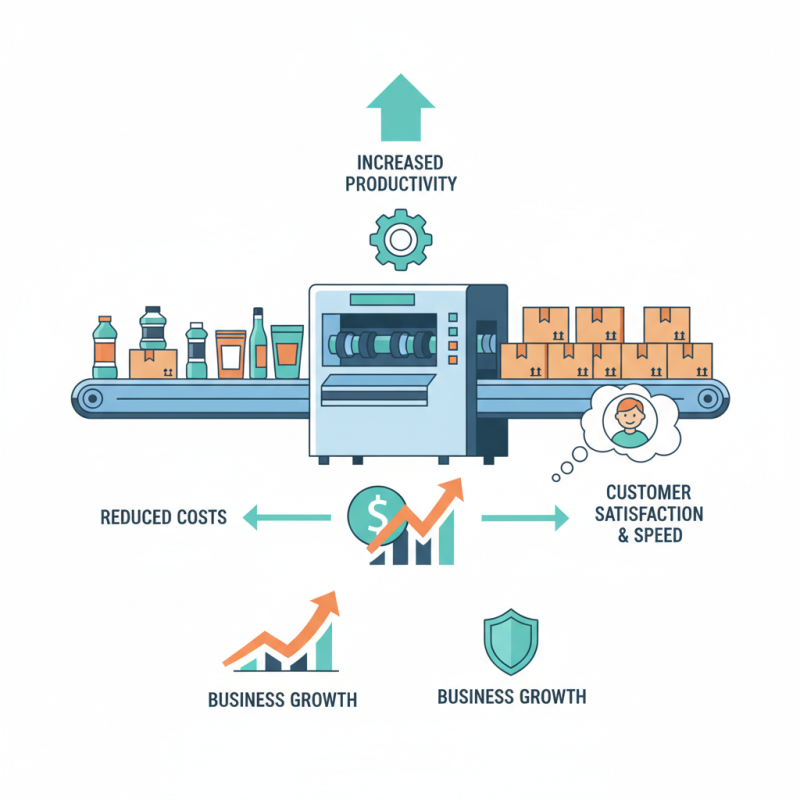
Investing in a Packing machine can transform your business. Many companies overlook the value of efficient packaging. However, the right packing machine boosts productivity and reduces costs.
When products are packaged swiftly and effectively, customer satisfaction increases. This efficiency can lead to more sales and higher profits. Imagine receiving orders on time, without delays caused by manual packing.
Choosing a packing machine offers reliability. However, some businesses hesitate to invest due to upfront costs. It's crucial to weigh immediate expenses against long-term gains. Ultimately, a packing machine can streamline your operations. It ensures your products reach customers safely and promptly. This investment is not just about machinery; it’s about growth and enhancing your business’s credibility.
Benefits of Automation in Packaging Processes
Automation in packaging processes offers numerous advantages. According to a report by the Food Processing Association, businesses can increase production speed by up to 50% with automated systems. This takes the load off workers and reduces the chance of human error, leading to more consistent product quality. Automated packing machines streamline operations, offering manufacturers the ability to adapt quickly to market demands.
Tip: Assess your current production workflow. Identify bottlenecks that automation could alleviate. This helps in maximizing efficiency and reducing downtime.
Moreover, automated equipment provides crucial data insights. Businesses can track operation metrics and product output. A study by the International Society for Packaging Professionals shows companies that leverage such data see a 30% reduction in packaging waste. This not only boosts profitability but also supports sustainability efforts.
Tip: Invest in training for your team. Preparing them for new technologies is vital. Well-informed staff can operate machines efficiently and address minor issues swiftly.
Cost Savings and Efficiency of Packing Machines
Investing in a packing machine can lead to significant cost savings and enhanced efficiency for businesses. According to industry reports, automated packing solutions can reduce labor costs by up to 30%. This is vital for companies aiming to optimize their operational expenses. Many small to medium-sized enterprises face financial pressure. Automating packing processes can alleviate that burden by minimizing the need for additional workforce during peak periods.
Moreover, packing machines can speed up production rates. Data shows that automation can increase output by 50% or more. This not only helps meet customer demands but also reduces the risk of errors commonly associated with manual packing. For instance, inconsistent packing can lead to product damage and returns. Such issues can be costly and damage a company's reputation in the long run.
While the initial investment may seem daunting, it's essential to consider the long-term benefits. Businesses often notice a return on investment within one to two years. However, not all machines may suit every operation. It’s crucial to assess specific business needs carefully. Some companies may find that a less expensive, semi-automated option better serves their purpose. Adopting a tailored approach will support cost-effective decision-making.
Why Invest in a Packing Machine for Your Business? - Cost Savings and Efficiency of Packing Machines
| Dimension | Description | Estimated Savings ($) | Efficiency Improvement (%) |
| Labor Costs | Reduction in manual labor | $20,000 | 30% |
| Material Waste | More accurate packaging reduces waste | $5,000 | 15% |
| Packaging Speed | Increased speed of packing | $10,000 | 50% |
| Error Rate | Reduced errors in packaging | $3,000 | 25% |
| Overall ROI | Return on investment from machine | $38,000 | Total Improvement |
Types of Packing Machines for Different Industries
When considering packing machines, it's essential to recognize the variety tailored for specific industries. For instance, food and beverage companies often utilize vertical form-fill-seal machines. These machines are designed for efficient food packaging, ensuring freshness and minimizing waste. In contrast, the pharmaceutical sector may lean towards blister packaging machines. These machines protect medication from moisture and tampering while allowing for easy access.
Tips: Assess the space available for installation before choosing a packing machine. A machine's size can significantly affect your operational layout.
In the cosmetic industry, automated labeling machines are popular. They streamline the process of applying labels, reducing manual errors. However, investing in such technology requires understanding the machine's compatibility with product shapes and sizes. A mismatch could result in inefficiencies.
Tips: Always consider maintenance requirements. Machines that are easy to maintain can save costs in the long run. Regular checks can prevent larger issues from arising.
Enhancing Product Quality and Consistency with Packaging Technology
Investing in a packing machine can significantly enhance product quality and consistency. With advanced packaging technology, businesses can ensure their products are well-protected. Effective packaging prevents damage during transportation. It also improves shelf life. Quality packaging resonates with customers. When a product looks appealing, it builds trust.
Automation offers precise measurements. This results in uniformity in packaging size and weight. Consistency matters. A well-packaged product meets customer expectations. Customers expect reliability. If packaging varies, it can lead to dissatisfaction. Additionally, such inconsistency can harm brand reputation. Obvious defects reveal a lack of professionalism.
However, this transition is not without challenges. Initial costs might seem high. Employees may require training. Not everyone adapts easily to new machinery. Regular maintenance is essential for optimal performance. Companies should prepare for these obstacles. Assessing product needs before investing is vital. Quality and consistency are worth the effort.
Long-term ROI: Evaluating the Investment in Packing Equipment
Investing in packing machines can significantly boost efficiency and output in your operations. The initial cost may seem steep, yet the long-term ROI is often undeniable. Consider how such equipment can reduce labor costs, minimize waste, and improve packaging consistency.
When evaluating the investment, focus on your production needs. A packing machine designed for your specific product type will yield better results. Look for equipment that offers versatility. It should handle various package sizes and materials. This adaptability can save you money in the long run, allowing growth without hefty additional investments.
Tips: Assess your current workload. Are your manual processes slowing down production? A machine can streamline these tasks. Also, consider maintenance costs. Regular upkeep prevents unexpected expenses. Evaluate suppliers carefully. Reliable partners ensure that your equipment stays functional, which is crucial for maintaining productivity. Ensure that the machine aligns with industry standards. This enhances safety and efficiency.
In the packing process, attention to detail is essential. Evaluate how packaging affects customer satisfaction. Flawed packaging can lead to returns, costing your business in the long run. Look for ways to enhance this aspect by investing in quality solutions. Each choice echoes in your brand’s reputation. Reflect wisely, and your investment will bear fruit.