What is a Hole Saw Bit and How to Choose the Right One?
In the realm of power tools, a Hole Saw Bit stands out for its versatility and efficiency. According to a 2022 industry report by Market Research Future, the global hole saw market is projected to grow at a CAGR of 6.5%. This growth reflects the increasing demand for precise cutting solutions across various sectors, including construction and woodworking.
Choosing the right Hole Saw Bit can be daunting. With numerous sizes and materials available, professionals must consider factors like the material being cut and the required hole size. Misjudging these factors can lead to inefficiencies and wasted resources. A study by Woodworking Network found that 70% of users experienced subpar results due to incorrect bit selection.
Understanding the specifications of these bits is crucial. For instance, bi-metal hole saws are preferred for their durability and cutting speed. However, they may not always be the best fit for every job. Each application requires careful consideration to avoid the pitfalls of improper tool use. Ultimately, the right Hole Saw Bit can make all the difference in achieving a clean and precise cut.
What is a Hole Saw Bit: Definition and Overview
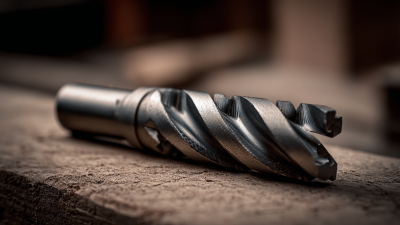
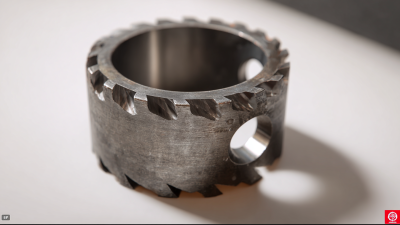
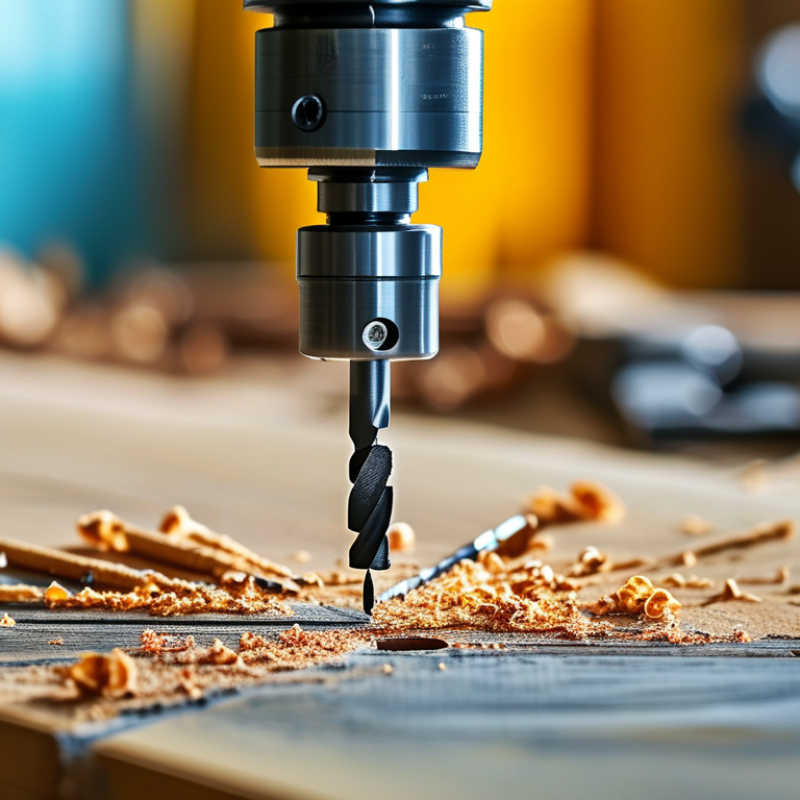
A hole saw bit is a cylindrical tool that creates holes in various materials. It consists of a saw blade attached to a central mandrel. This design allows for efficient cutting through wood, metal, plastic, and more. Hole saw bits are ideal for projects requiring precise, large-diameter holes. They are favored by craftspeople and contractors for their effectiveness.
Choosing the right hole saw bit can feel overwhelming. Consider the material you plan to cut. Different bits are better suited to specific materials. For wood, a tooth design with fewer but thicker teeth works well. In contrast, metal cuts require bits with finer teeth for smooth edges. It's essential to match the bit size to the hole width you need. Take some time to understand the measurements.
Mistakes may happen, leading to inadequate cuts. It’s vital to review your choices before cutting. A wrong selection can waste both time and resources. Be sure to handle the saw properly to avoid accidents. With practice, you’ll gain confidence in using this tool effectively. Each project is a learning opportunity, as you refine your approach to choosing and using hole saw bits.
Types of Hole Saw Bits: Material and Design Variations
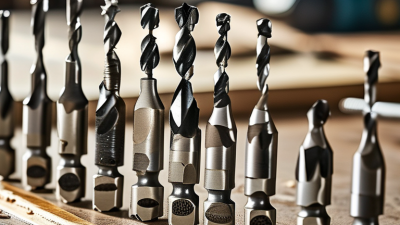
When selecting a hole saw bit, understanding the variations in material and design is crucial. Typically, hole saw bits are made from high-speed steel (HSS), bi-metal, or diamond. HSS bits are great for wood and soft materials. Bi-metal bits offer durability and strength for tougher materials. Diamond bits excel in cutting hard surfaces like tiles and stone.
Different designs also impact performance. Regular hole saws have a standard cylindrical shape, while deep-cut hole saws allow for deeper cuts in thick materials. There are also specialty bits designed for specific applications, like core drills for plumbing work. Knowing the intended use will guide your choice significantly.
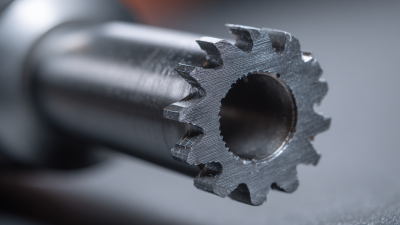
Remember to consider blade teeth count and spacing. Fewer teeth create faster cutting but can produce rough edges. More teeth lead to smoother cuts but slower progress. Pay attention to the depth of the saw as well. An inadequate depth may hinder your project, leaving you frustrated and facing a redo. Always evaluate what is necessary for your specific task before purchasing a hole saw bit.
Types of Hole Saw Bits
Factors to Consider When Choosing a Hole Saw Bit
When selecting a hole saw bit, several key factors should guide your decision. First, consider the material you will be drilling into. Different materials require specific hole saw types. For example, wood and metal demand separate designs for effective performance. It’s essential to choose a bit suited for your project’s unique demands.
Next, assess the diameter of the hole you need to create. Hole saws come in various sizes, and selecting the correct diameter is crucial. A mismatch could lead to wasted time and materials. Additionally, check the thickness of the material. A deeper hole saw might be necessary for thicker surfaces. This detail often gets overlooked, yet it significantly impacts your drilling efficiency.
Another factor to reflect on is the saw's tooth count. Finer teeth provide smoother cuts but may slow down the process. Conversely, fewer teeth can speed up drilling but might sacrifice finish quality. Balancing these elements can lead to a more successful project. Remember, the right choice might not always be the one that seems best at first glance. Experimenting with different options can be enlightening.
How to Properly Use a Hole Saw Bit for Best Results
Using a hole saw bit correctly can lead to precise and clean cuts. To begin, ensure you choose the right size for the task. A bit that is too large or too small can yield unsatisfactory results. Consider the material you will be cutting. A hole saw designed for wood may not perform well on metal.
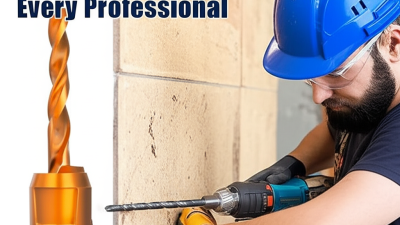
Safety is crucial when using a hole saw bit. Always wear protective gear, including goggles and gloves. Secure the material you are cutting. This helps prevent movement during the cutting process, which can cause uneven holes. Start with a slow speed setting on your drill. This allows for better control and reduces the risk of damage.
Before you start, make a pilot hole if your bit does not have one. This guides the saw and ensures accuracy. Pay attention to the cutting process; overheating can occur with prolonged cutting. If you notice excessive heat, pause and let the bit cool. Mixing some water or cutting oil can help manage the temperature and improve the cut's quality. Remember, perfect results do not come easily. Experience and practice are key in mastering the technique.
Maintenance Tips for Extending the Life of Your Hole Saw Bit
To extend the life of your hole saw bit, proper maintenance is crucial. Regular cleaning is essential after each use. Remove debris and dust to prevent buildup. This not only ensures optimal performance, but also reduces wear on the bit. Use a wire brush or compressed air to clean the teeth gently. Avoid soaking the bit in harsh chemicals, as this can lead to corrosion.
Another key aspect of maintenance is storage. Store your hole saw bits in a dry, cool area. Avoid damp places that can lead to rust. Use a protective case or organizer to keep bits separated. This helps prevent accidental damage during storage.
Additionally, always inspect your hole saws before use. Look for cracks or dull teeth. Using a damaged bit can create safety hazards and lead to poor cuts. Replace any worn bits promptly. This can save time and material in the long run. Regular checks and careful usage can make a significant difference in longevity.