Why Choose an FRP Pipe Machine for Your Manufacturing Needs?
When it comes to modern manufacturing, choosing the right equipment is crucial. The frp pipe machine stands out for many reasons. This machine offers efficiency and durability in producing fiberglass reinforced plastic pipes. FRP pipes are lightweight yet strong, making them ideal for various applications. Many manufacturers appreciate how easy it is to handle these pipes.
However, investing in an frp pipe machine may raise questions. The initial cost can be high, and maintenance should not be overlooked. It's essential to consider these factors carefully. Also, not all machines are created equal. Depending on specific production needs, the right choice can greatly impact productivity and costs.
Despite the challenges, the long-term benefits of an FRP pipe machine often outweigh the drawbacks. Businesses see a return on investment through reduced labor costs and improved product quality. Choosing the right machine can enhance your manufacturing capabilities significantly.
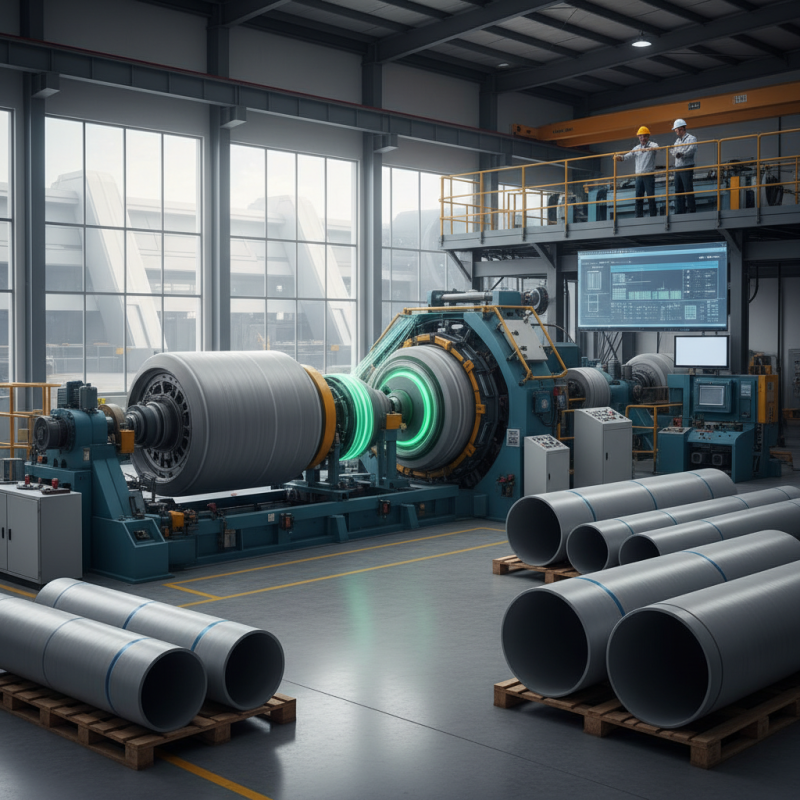
Benefits of Using FRP Pipe Machines in Manufacturing
FRP (Fiberglass Reinforced Plastic) pipe machines are becoming essential in various manufacturing sectors. These machines offer remarkable benefits that can dramatically improve production efficiency and product quality. According to recent industry reports, FRP pipes exhibit up to 10 times the lifespan of traditional materials. This durability significantly reduces maintenance costs in the long run.
One of the compelling advantages of FRP pipe machines is their lightweight nature. Unlike metal pipes, FRP pipes are significantly lighter and easier to handle. This reduces labor costs and speeds up installation. Moreover, these machines can produce complex shapes and custom profiles without extensive tooling changes. Reports indicate that production times can decrease by 30% with the right FRP technology.
However, not all manufacturers are embracing FRP pipe machines. Some may find the initial investment to be daunting. There’s also a learning curve involved, which may lead to initial production hiccups. Industry feedback highlights the need for proper training to harness the full potential of these machines. As businesses navigate these challenges, the long-term benefits of investing in FRP technology could certainly outweigh the initial drawbacks.
Key Features of FRP Pipe Machines Explained
FRP pipe machines are gaining popularity in manufacturing. They offer unique advantages in various industries. Understanding their key features helps in making informed choices.
One of the standout characteristics of FRP pipe machines is their versatility. They can produce pipes in various sizes and shapes. This adaptability allows manufacturers to cater to diverse project requirements. However, finding the right settings for different materials can be challenging. This requires careful calibration and sometimes trial and error.
Another important feature is the efficiency of the production process. FRP machines can operate at high speeds, reducing overall production time. This helps meet tight deadlines and increases output. Yet, maintaining consistent quality can be a hurdle. Manufacturers must frequently monitor the process. They need to adjust parameters to prevent defects. Balancing speed and quality remains a critical concern for many.
Comparative Analysis: FRP vs. Traditional Pipe Manufacturing
When considering pipe manufacturing, FRP (Fiberglass Reinforced Plastic) pipes stand out. They are lightweight yet incredibly strong. This makes transportation and installation easier. Traditional pipes, often made of steel or concrete, are heavier. They can require more labor for handling. In some cases, they may also corrode or crack over time.
FRP pipes can resist various environmental factors. This feature is vital for industries like oil and gas. However, not all FRP solutions meet every need. They might not be suitable for high-pressure applications. Traditional materials still have their place. They can handle extreme conditions where FRP may falter.
Cost is another factor to consider. FRP can be more expensive at the outset, but its durability might offer savings in the long run. Repairs for traditional pipes can add up. Yet, the initial investment in FRP requires careful budgeting. It’s crucial to analyze specific project requirements. The choice isn’t always clear-cut. Depending on the application, both options have merits and challenges.
Applications of FRP Pipes Across Industries
FRP pipes, known for their strength and durability, are increasingly used across various industries. In the water and wastewater sector, these pipes demonstrate impressive corrosion resistance. In fact, studies show that FRP pipes can outlast traditional materials by 50% in harsh environments. This longevity reduces the need for frequent replacements, saving time and costs for municipalities.
In the oil and gas industry, FRP pipes are preferred for their lightweight nature and easy installation. A report by the global market insights suggests that the demand for composite pipes will grow by over 10% annually in this sector. Their ability to withstand high pressures and resist chemical exposure makes them a reliable choice.
Industrial manufacturers are also tapping into the advantages offered by FRP pipes. From chemical processing plants to food production, these pipes ensure safety and efficiency. They can handle a variety of fluids without leaching harmful substances. However, it’s crucial to consider the lifecycle analysis of these pipes. Proper evaluation of their environmental impact can lead to better decision-making for sustainable practices.
Applications of FRP Pipes Across Industries
| Industry | Application | Benefits of FRP Pipes |
| Water Supply | Pipelines for clean water distribution | Corrosion resistance, lightweight, and lower maintenance |
| Oil and Gas | Transport of oil and natural gas | High strength-to-weight ratio and resistance to harsh chemicals |
| Chemical Processing | Storage and transport of aggressive chemicals | Durability against corrosion and high temperature |
| Construction | Reinforced structures and piping | Lightweight and strong, reducing structural load |
| Marine | Piping systems for ships and offshore platforms | Resistant to saltwater corrosion and lightweight |
Cost-Effectiveness and Efficiency of FRP Pipe Production
In the realm of manufacturing, adopting an FRP pipe machine can significantly enhance cost-effectiveness and efficiency. FRP pipes, made of fiber-reinforced plastics, offer durability and resistance to corrosion. This translates into lower maintenance costs over time. Manufacturers can enjoy reduced downtime as these pipes require less frequent replacements.
Efficiency comes from the streamlined production processes that FRP machines provide. They allow for continuous production, minimizing operational interruptions. The energy consumption is generally lower than traditional methods, resulting in cost savings. However, investing in FRP technology requires initial capital. It’s crucial to conduct a thorough cost-benefit analysis before making a decision.
Tips: Always gather feedback from operators. Their insights can highlight practical challenges. Regularly assess machine performance to spot inefficiencies early. Rethinking your maintenance routine might uncover potential savings. Investing in training ensures that your team maximizes the benefits of the machines. Keep an open mind about improvements; even small changes can yield significant results.