What is a Fiberglass Mesh Machine and How Does It Work?
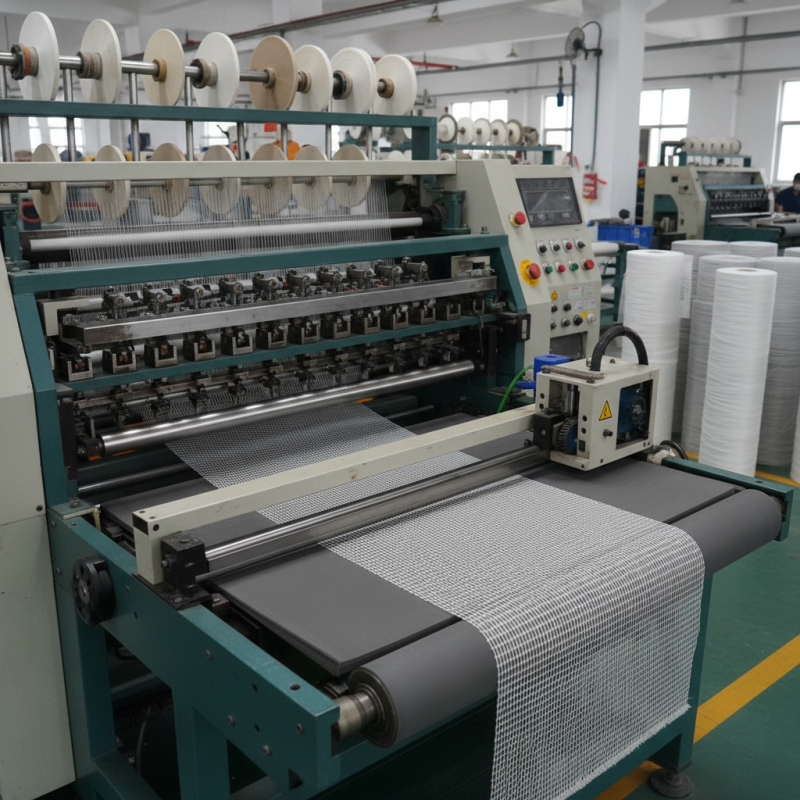
The fiberglass mesh machine is essential in composite manufacturing. It plays a crucial role in creating fiberglass mesh, widely used in construction and repair. This machine automates the process, enhancing efficiency and precision.
Understanding how a fiberglass mesh machine operates is vital for manufacturers. It consists of several parts, such as feeders, weavers, and cutting tools. These components work together to produce a uniform mesh that meets specific industry standards. Details matter; minor adjustments can impact the final product.
While this technology is effective, challenges exist. Maintenance issues can arise, and not every operator is trained properly. Reflecting on these factors can lead to improvements in the production process. Ultimately, the fiberglass mesh machine is a powerful tool, but its proper operation determines success.
Understanding the Definition of a Fiberglass Mesh Machine
A fiberglass mesh machine is a specialized device used in manufacturing fiberglass mesh. It weaves fiberglass strands into a mesh fabric, which is widely used in construction and reinforcement applications. The process involves arranging the strands in a specific pattern, then applying heat or adhesive to bind them together. This ensures durability and stability, making the mesh an excellent choice for various applications, such as wall reinforcement or in roofing systems.
Industry reports indicate that fiberglass mesh production has increased by nearly 15% annually. This growth reflects the rising demand in sectors like construction and renewable energy. Workers must regularly inspect the machines, as they can require frequent calibration. A properly functioning machine should produce mesh without defects, but even the best machines can face challenges. Misalignment in the weaving process can lead to uneven mesh patterns, which could compromise structural integrity.
Observational studies indicate that understanding machine operation can minimize errors. Operators must be trained to handle intricate settings. Some older machines struggle with efficiency. Investing in modern technology can yield better performance. Yet, many manufacturers hesitate to upgrade. The balance between cost and quality often leads to tough decisions. Recognizing these challenges is crucial for industry growth. Production efficiency and quality control remain ongoing concerns.
Key Components and Features of Fiberglass Mesh Machines
Fiberglass mesh machines play a crucial role in the production of building materials. These machines are designed to weave strands of fiberglass together, creating a strong and durable mesh. The core components include a weaving loom, a tensioning system, and a cutting device. Each part contributes to the machine's efficiency and functionality.
The weaving loom is the heart of the machine. It accurately interlaces fiberglass threads to form a stable mesh. The tensioning system ensures that the threads maintain a consistent tightness, which is vital for quality control. Often, if the tension is off, the final product may be weaker than expected.
Another important feature is the cutting device, which allows easy handling of the finished mesh. It helps in reducing wasted materials but can also introduce challenges if not regularly maintained. Operators must watch for any inconsistencies during operation. Regular inspections can prevent significant issues later on. Maintaining a fiberglass mesh machine is not just about operation—it also involves problem-solving and attention to detail.
The Production Process of Fiberglass Mesh: Step by Step
The production of fiberglass mesh involves several precise steps. It starts with the selection of quality fiberglass strands. These strands are essential for ensuring durability and strength. According to a report by Global Fiberglass Mesh Market, the demand for high-quality mesh continues to grow, reflecting its importance in construction and insulation.
Next, these strands are woven together using a specialized fiberglass mesh machine. The weaving process is not just mechanical; it requires a skilled operator to maintain the right tension and weave pattern. Quality control is crucial here. A minor flaw can compromise the entire batch. Studies indicate that consistent quality can increase market competitiveness.
Once the weaving is complete, the mesh undergoes coating. This step adds a layer of protection, enhancing its resistance to environmental factors. However, many manufacturers struggle with optimizing the coating process. Improper application can lead to weak points in the mesh. This highlights an area needing improvement in production practices. Understanding these nuances can help manufacturers refine their processes and meet growing market demands.
Fiberglass Mesh Production Process: Step by Step
This chart illustrates the different stages in the production process of fiberglass mesh, showing the duration in hours for each stage. The stages include raw material preparation, weaving, coating, and finishing.
Applications and Uses of Fiberglass Mesh in Various Industries
Fiberglass mesh is a versatile material used across various industries. In construction, it provides reinforcement for plaster and concrete. The mesh enhances structural integrity, reducing the risk of cracks. Builders often rely on its strength and flexibility. Many projects benefit from this lightweight solution.
In the automotive sector, fiberglass mesh plays a crucial role. It is used in body repairs and panel reinforcement. This application helps vehicles withstand stress and impact. However, the process can be complicated. Proper alignment is crucial for effective bonding. If not applied correctly, the results may be subpar.
The use of fiberglass mesh in the marine industry is another notable example. It reinforces boat hulls, improving durability. However, exposing it to harsh marine conditions can lead to degradation. Regular maintenance is necessary to ensure longevity. Thinking about these factors can help optimize its use across various applications.
Maintenance and Troubleshooting for Fiberglass Mesh Machines
Maintaining a fiberglass mesh machine is crucial for efficient operation. Regular inspections can prevent small issues from spiraling into larger problems. Check the tension of the mesh at intervals. Ensure that rollers are clean and properly aligned. A small misalignment can lead to uneven production quality.
Troubleshooting is also essential. If you notice irregularities in the mesh, examine the feeding system. Clogs can occur, causing disruptions. Clear any debris from the hoppers and pathways. Additionally, inspect the electrical connections. Loose wires can lead to operational failures.
Lastly, be mindful of wear and tear. Components may need replacements over time. Lubrication is key; however, over-lubrication can cause issues. It’s a balance that requires continual observation. Regular training for operators can also enhance performance. Sharing experiences can guide better practices. Each machine tells a story, and understanding yours can lead to improved productivity.