How to Choose the Right Hole Saw Arbor?
Choosing the right Hole Saw Arbor can determine whether a cutting job feels controlled or frustrating. The arbor connects the hole saw to the drill, transfers torque, and supports the pilot drill. A poor match may cause wobbling, uneven cuts, or premature tooth damage.
In practical workshop use, compatibility should be checked before speed or cutting pressure. Confirm the arbor’s shank fits your drill chuck or quick-change system. Then check the thread, hole saw diameter range, pilot drill type, and manufacturer’s load rating. Some arbors use replaceable pilot bits, while others require a fixed design. This small difference matters when drilling through timber, sheet metal, plastic, or masonry-related materials. Always follow the hole saw manufacturer’s specifications, especially for maximum speed and compatible materials.
Many buyers focus only on size. That is an easy mistake. A large hole saw may fit the arbor but still exceed its recommended capacity. Another overlooked detail is the locking method. A loose adapter can create visible vibration within seconds. Stop and inspect it. Personal experience also shows that clean threads and a sharp pilot drill improve control more than extra force. Still, no arbor solves every problem. Material thickness, drill power, operator technique, and cooling conditions can change the result. This guide examines these factors carefully, helping you compare arbor types with realistic expectations rather than relying on appearance alone. A reliable choice begins with verified specifications, steady handling, and a willingness to reconsider assumptions.
Identify the Hole Saw, Drill, and Material Requirements
How to Choose the Right Hole Saw Arbor?
Identify the Hole Saw, Drill, and Material Requirements
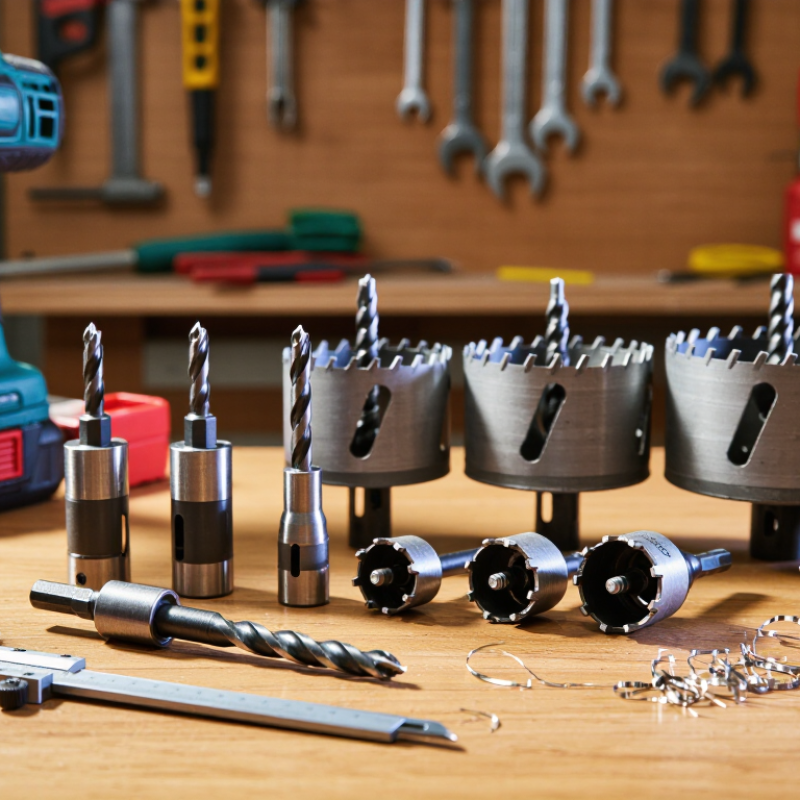
Choosing an arbor starts with the hole saw, not the drill. Measure the saw’s diameter, shank opening, and required pilot drill. Matching these parts prevents wobbling and uneven cuts. A loose connection can damage the workpiece and overload the drill.
I once used a small arbor with a large hole saw. The cut looked rough, and the drill stalled repeatedly. That mistake taught me to check the arbor’s capacity before starting. Large saws usually need stronger arbors, larger pilot bits, and drills with adequate torque. Cordless drills may work, but their battery condition matters.
The material also changes the choice. Wood cuts differently from steel, tile, or plastic. Check the saw’s recommended material range and cutting depth. For metal, use controlled speed and suitable cutting lubricant. For tile, keep pressure steady and avoid impact mode unless the tool allows it. The drill must hold the arbor firmly, while the user maintains a straight angle. Short test cuts help reveal vibration early. Do not rush this step. A perfect arbor cannot correct a dull saw, weak drill, or unsuitable cutting speed. My own checklist is simple: confirm compatibility, inspect the pilot bit, secure the workpiece, and test on scrap material when possible.
Match the Arbor to the Hole Saw Shank and Diameter
How to Choose the Right Hole Saw Arbor?
Match the arbor to the hole saw shank and diameter before starting any cut. The arbor must fit the saw’s shank style, such as a round or threaded connection. A loose fit can create vibration, rough edges, and uneven cutting. I always test the connection by hand before placing it in the drill chuck. It should seat fully without forcing.
Diameter matters just as much. Small hole saws usually need a lighter arbor, while larger saws demand stronger support and greater torque. Check the arbor’s stated diameter range, not only the hole saw size. Some arbors use interchangeable pilot drills, which helps when cutting wood, plastic, or thin metal. The pilot drill should extend slightly beyond the teeth. Too much extension can make the saw wander.
Tips: Hold the assembled tool beside the workpiece first. Check clearance around the chuck and arbor. Use a firm drill setting and steady pressure. Do not rely on appearance alone. I have occasionally chosen an arbor that seemed compatible, but its thread depth was wrong. That small mistake caused wobble and delayed the job. Always inspect the shank, thread, pilot drill, and diameter rating together.
How to Choose the Right Hole Saw Arbor?
Match the arbor to both the hole saw shank system and the hole saw diameter. The chart below presents common practical matching ranges using standard arbor shank diameters.
How to read the chart: Smaller hole saws commonly use 6.35 mm or 9.53 mm arbor shanks, while larger hole saws generally require thicker 11.11 mm or 12.70 mm shanks for improved stability. Before use, confirm that the arbor’s shank profile, drive slots, pilot drill, thread system, and maximum rated hole saw diameter match the hole saw manufacturer’s specifications.
Choose the Right Pilot Bit and Attachment Method
How to Choose the Right Hole Saw Arbor?
Choose the Right Pilot Bit and Attachment Method
The pilot bit controls alignment before the hole saw touches the workpiece. Match its diameter to the material and saw size. A sharp high-speed steel bit suits wood and thin sheet metal. A carbide-tipped pilot bit handles abrasive board and masonry more effectively. Keep the bit projection modest. Excess length can wander, especially when drilling at an angle.
Check the arbor’s shank, thread, and locking method before installation. A three-jaw chuck accepts common round shanks, while a hex shank improves grip in impact-rated tools. Keyed attachments usually provide stronger clamping for demanding cuts. Quick-change systems save time, but only when the collar locks completely. Test for side play by hand. There should be none.
Safety is not a minor detail. The U.S. Bureau of Labor Statistics recorded 1,069 fatal occupational injuries in construction during 2022. That figure covers many hazards, but it reinforces careful tool selection. Use the arbor’s recommended speed and secure the workpiece firmly. The U.S. Occupational Safety and Health Administration also warns that rotating equipment can catch loose clothing, gloves, and hair. Remove the arbor if threads feel rough or the pilot bit bends. I sometimes prefer a slower, more controlled setup over a faster attachment. It takes longer. It also exposes fewer surprises.
Check Compatibility with Your Drill and Cutting Conditions
How to Choose the Right Hole Saw Arbor?
Check Compatibility with Your Drill and Cutting Conditions
A hole saw arbor must match both your drill and the cutting job. Start by checking the arbor shank size. It must fit securely inside your drill chuck, without slipping during use. A loose fit creates vibration and can damage the chuck.
I once used an arbor that technically fit, but its short shank held poorly. The hole looked uneven, and the setup felt unsafe.
Match the arbor to the hole saw diameter and mounting thread. Larger saws usually need stronger support and higher torque. For small holes in thin sheet metal, a standard arbor may work well. Dense wood, stainless steel, and layered materials demand more control.
Check your drill’s speed range before cutting. Excessive speed can overheat the teeth, while low speed may stall the motor. Do not ignore the pilot drill condition. A dull pilot bit makes the saw wander across smooth surfaces.
Think about the cutting environment, too. A corded drill can provide steady power for long cuts. A cordless drill needs enough battery capacity and torque. Use the correct operating mode, and avoid hammer action unless the tool instructions specifically allow it.
Keep the arbor straight against the workpiece. Small errors matter. Recheck the fit before every project, because wear can change a previously reliable connection.