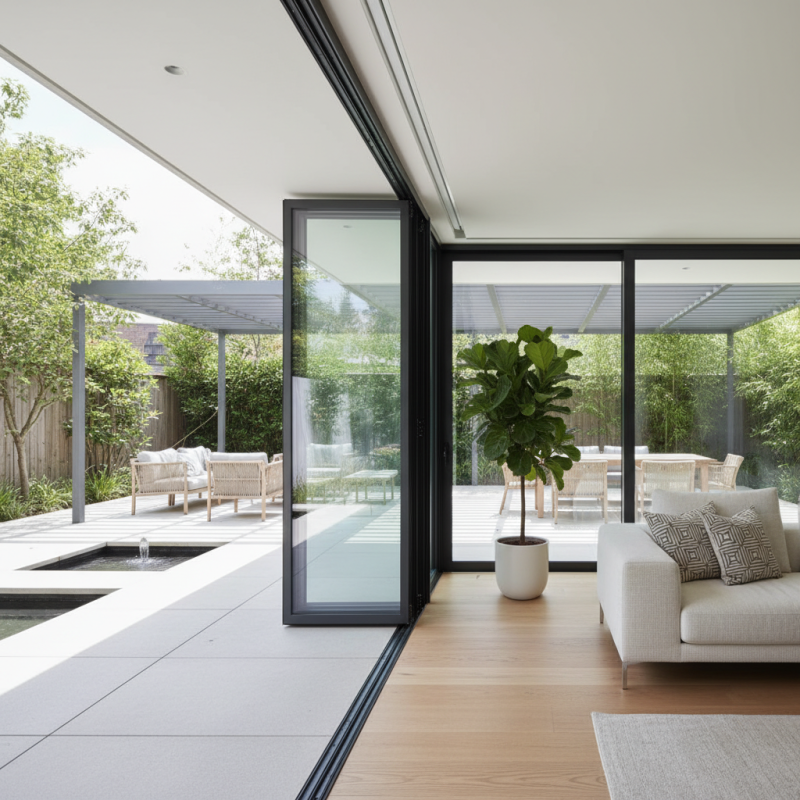
How to Choose the Best Folding Window for Your Space?
Folding Windows are a popular choice for modern spaces. They blend functionality with aesthetics. When selecting the right folding window, consider several factors that influence your decision.
Quality is key. High-quality folding windows are durable and provide excellent insulation. They should withstand various weather conditions while maintaining ease of use. Investigate materials carefully. Aluminum, wood, and vinyl all have unique benefits. Each option has its advantages and drawbacks.
Space is another crucial factor. Measure your area accurately and think about how the window opens. A poorly sized folding window can disrupt the flow of your room. Always keep design continuity in mind. Your choice should reflect the overall style of your home. Explore options that enhance your space, but also consider practicality. Make sure you prioritize both function and aesthetic appeal in your final selection.
Factors to Consider When Choosing a Folding Window for Your Home
Choosing the best folding window for your space involves several key factors. First, consider the size of the opening where the window will be installed. Measure carefully to ensure a perfect fit. A window that is too large or too small can affect not only aesthetics but also functionality. The materials used in the window construction are equally important. Options include wood, aluminum, and vinyl. Each material has its advantages and drawbacks, such as maintenance needs and insulation properties.
Another crucial factor is energy efficiency. Look for windows with good insulation ratings to save on heating and cooling costs. Various options may have different levels of thermal performance. It’s essential to do some research here. A window that can help reduce energy consumption is a wise investment. Also, consider the window's hardware. The ease of use and durability of the folding mechanism can greatly impact your day-to-day experience. Sometimes, the most aesthetically pleasing design may not function as well as expected.
Lastly, don’t overlook your local climate. Your region may affect which materials and designs will work best. If heavy rains or winds are common, be sure to choose windows designed for those conditions. It’s wise to consult with a local expert who understands the specific challenges of your area. They can provide insights that online resources might miss. This combination of factors leads to more informed choices when selecting folding windows.
Understanding Different Materials Used in Folding Windows
When selecting folding windows, the choice of material plays a critical role. Common materials include aluminum, wood, and vinyl, each with unique benefits. Aluminum is known for its strength and durability, often lasting over 20 years with minimal maintenance. Reports suggest that aluminum windows can enhance the thermal efficiency of a home when paired with proper insulation. However, they can also lead to condensation issues if not installed correctly.
Wood offers a classic aesthetic. For many homeowners, its charm is unmatched. Yet, wood requires more upkeep. It needs regular painting or staining to prevent rot or warping. Studies indicate that improperly maintained wooden windows can reduce energy efficiency by up to 30%. This factor can lead to higher energy bills over time.
Vinyl windows provide a low-maintenance alternative. They resist fading and moisture damage, making them a practical choice in humid climates. They are often less expensive than wood or aluminum options. However, their lifespan can be shorter, averaging around 20 years. Homeowners must weigh these factors carefully. Ultimately, the right material should complement the overall style and functional needs of the space, while considering maintenance requirements and energy efficiency.
Comparative Analysis of Folding Window Materials
Evaluating Thermal Efficiency Ratings for Folding Windows
When selecting folding windows, thermal efficiency ratings are crucial. These ratings determine how well windows insulate your space. According to the National Fenestration Rating Council (NFRC), look for U-factor and Solar Heat Gain Coefficient (SHGC) metrics. A lower U-factor indicates better insulation, while an optimal SHGC rating can reduce cooling costs in summer.
Many consumers underestimate how these ratings influence energy bills. In a typical home, windows can account for 25-30% of heating and cooling costs. A well-rated folding window can significantly enhance comfort and save money. Research shows that energy-efficient windows can yield a return on investment of up to 70% upon resale.
Tips: Always ask for performance data. Examine the Energy Star label, which signifies compliance with specific energy efficiency criteria. Consider your local climate when evaluating SHGC. In warmer regions, a low SHGC is preferable to keep spaces cool. Remember, the right choice is not just about aesthetics; it’s about long-term energy efficiency.
Assessing Space Requirements and Design Compatibility
When selecting folding windows, evaluating space requirements is critical. Begin by measuring the area. Consider how much wall space you can afford to dedicate to the windows. Make sure to account for furniture placement and flow within the room. This attention to detail helps avoid overcrowding, which can make a space feel cramped.
Design compatibility is equally important. Folding windows should complement your existing decor. If your room features minimalist furniture, you might prefer sleek, modern designs. Conversely, a rustic space may benefit from wooden frames with a vintage touch. Experimenting with different styles can be enlightening, but be cautious of mismatched aesthetics.
Reflect on how natural light impacts your environment. The right folding window can enhance brightness and create a connection with the outdoors. However, too much light can lead to glare, making some areas uncomfortable. Finding a balance helps maximize space and enhances overall well-being. Adjusting your choices based on these reflections can lead to a more harmonious outcome.
Exploring Installation Options and Maintenance for Folding Windows
When considering folding windows, installation options play a crucial role. You have several choices, each with its own benefits. Some windows can be mounted directly into existing frames. This helps save costs and time. However, this option may limit aesthetic flexibility. Other installations might require new frames, adding to the time and budget.
Maintenance is essential for keeping folding windows functional and stylish. Regular cleaning is necessary to avoid dirt buildup. Use mild soaps and soft cloths for best results. Inspect hinges and tracks for signs of wear. Lubricate them periodically to ensure smooth operation. Some homeowners often overlook these details, leading to bigger problems later. Address issues promptly to maintain optimal performance.
Folding windows should enhance your space. A thoughtful approach to installation and regular maintenance can make a significant difference. Consider local climate conditions. Humidity or extreme temperatures can affect your choice of materials. Always think ahead to avoid future complications.