How to Choose the Best Core Drilling Bits for Your Needs?
Choosing the right core drilling bits is crucial for various drilling applications. According to a report by MarketsandMarkets, the global core drilling market is projected to reach $3.5 billion by 2025. This growth highlights the increasing demand for quality and efficiency in drilling operations. Selecting the best bits involves understanding the material, the type of rock being drilled, and the specific requirements of your project.
Many professionals struggle with the overwhelming variety of Core Drilling Bits available. Factors like durability and cutting speed should be considered to ensure optimal performance. A study from Grand View Research suggests that using high-quality bits can increase drilling efficiency by up to 40%. This reflects the importance of making informed choices to enhance productivity.
Despite the wealth of options, choosing Core Drilling Bits can still be a challenge. Mistakes can lead to costly downtime and project delays. Reflecting on previous experiences helps in making better decisions. Ultimately, the right bit can lead to more successful drilling outcomes and significant time savings in the field.
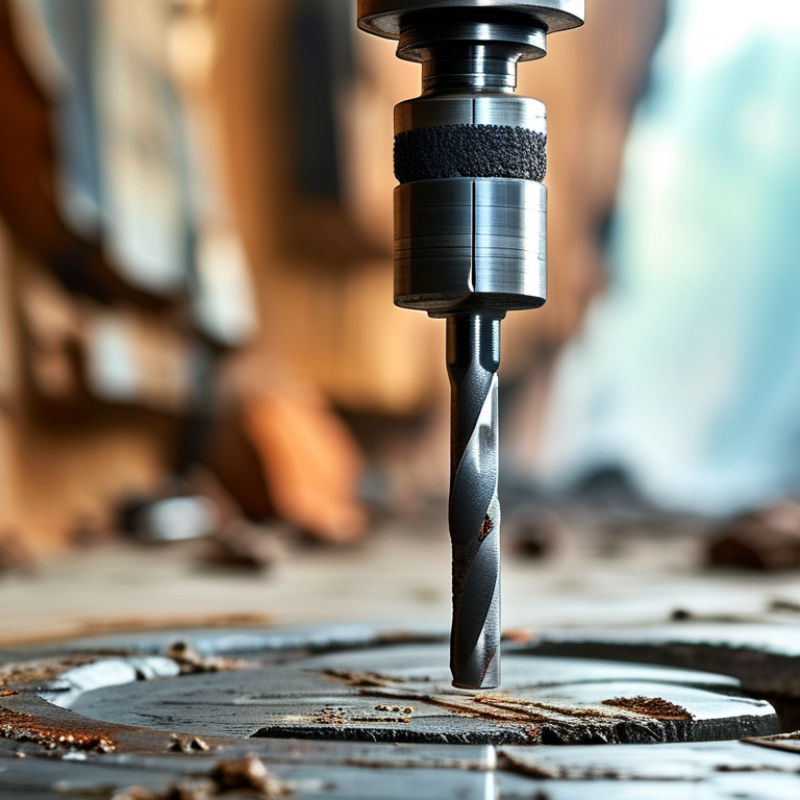
Understanding Core Drilling Bits and Their Applications
Core drilling bits are essential tools in various industries. Their primary function is to extract cylindrical samples from different materials. Understanding the different types is crucial for selecting the right bit for specific applications.
There are several categories of core drilling bits. Diamond bits are preferred for hard materials like concrete and granite, while tungsten carbide bits work well on softer substrates. According to industry reports, about 60% of drilling projects in mining utilize diamond-tipped bits due to their efficiency. It's vital to analyze the material hardness before choosing a bit. Using the incorrect type can lead to downtimes and increased costs.
In addition to material considerations, application also plays a role. For example, environmental conditions might affect the performance of the bits. Reliable data indicates that bits can wear out 20% faster in abrasive environments. Users should also be aware of their drilling speeds. Slower speeds can harm bit longevity, while faster speeds can lead to overheating. Balancing these factors is essential for successful core drilling operations. Many professionals still face challenges in achieving optimal outcomes, highlighting the need for ongoing education and practice.
Types of Core Drilling Bits: A Detailed Overview
When selecting core drilling bits, understanding the various types is crucial. Core drilling bits come in several forms, each suited to different materials and applications. Diamond-tipped bits are very popular for their longevity. They effectively cut through tough materials like concrete and granite. These bits excel in precision and create smooth cores.
Another type is the carbide-tipped bit. These are a budget-friendly alternative, suitable for softer materials. They often show wear more quickly than diamond bits. Yet, they can be effective for projects with lower demands. It's essential to choose the right bit for your material. Some bits are designed specifically for asphalt or brick. Others perform well in geological surveys.
Choosing a core drilling bit should reflect your unique needs. Factors like the material you’re drilling into and the desired core size play critical roles. You might discover that your initial choice isn’t perfect. It's okay to reassess and select again based on your experience. This iterative process ensures better outcomes in subsequent projects. Always consider your previous drilling experiences when making selections.
Key Factors to Consider When Selecting Core Drilling Bits
Choosing the right core drilling bits is crucial for any drilling project. Factors such as material type, hardness, and desired diameter significantly influence performance and results. Understand your core’s specifications before making a selection. This helps ensure efficiency and effectiveness.
Next, take time to assess the drilling environment. If the project is in a rocky area, a diamond bit may be better suited. Conversely, softer materials may not require such a robust solution. Always consider the conditions you're working with.
Keep an eye on bit longevity, too. Some bits wear out quickly, especially in challenging environments. This could affect your project's budget and timeline. Evaluate past experiences with various bits to make informed decisions. Reflections on what worked and what didn't can provide invaluable insight for future projects.
Material Compatibility and Its Impact on Drilling Performance
Material compatibility significantly influences drilling performance. Selecting the right core drilling bit for your specific material is essential. Different materials, like concrete, granite, or brick, require specialized bits. These bits are designed to handle the unique challenges posed by each material. For instance, harder stones may need diamond-tipped accessories for effective cutting.
A common mistake is to use a general-purpose bit on specialized materials. This often leads to increased wear and tear, resulting in poor performance. Over time, you may notice that the drill struggles, which can be both frustrating and time-consuming. Not paying attention to material compatibility can also jeopardize the integrity of the core samples. Quality control may be impacted by this oversight.
Ultimately, understanding the material properties can enhance your drilling efficiency. Assess the project requirements carefully before making a selection. Take notes on how various bits perform under different conditions. The learning process is ongoing, and your experience will inform better choices in the future. The right bit can elevate your work, transforming potential challenges into seamless operations.
Core Drilling Bits Material Compatibility and Performance
Maintenance Tips for Prolonging the Life of Core Drilling Bits
Proper maintenance of core drilling bits is essential for their longevity and performance. Regularly inspect the bits for signs of wear and tear. Look for cracks, dull edges, or corrosion. Addressing these issues early can prevent costly replacements later. Ensure you clean the bits after each use to remove concrete dust and debris. This simple step can enhance their efficiency and lifespan.
Storage is another critical factor. Store drilling bits in a dry, cool place to avoid rust. Use protective cases to prevent damage during transport. Regularly lubricate the bits to deter moisture buildup. This will also help maintain their sharpness. Ensure your bit is suitable for the material being drilled to avoid unnecessary wear.
Lastly, keep in mind the limits of your bits. Overheating can lead to failure. Always choose the right speed and feed rate based on the material type. Understanding these factors can save you time and money. Track your bit's performance throughout its use for better insight. Adjust your techniques based on the findings. Reflecting on your practices will lead to improvement.