How to Choose the Right Motorized Valve for Your System?
Choosing the right Motorized Valve for your system is crucial. It impacts performance, efficiency, and cost. However, it's often a complex decision. Many factors influence the choice, such as flow requirements and pressure ratings.
The right Motorized Valve can solve many issues in fluid control. Yet, people may overlook important details. For instance, understanding the specific needs of your system is essential. A valve that works well in one application might fail in another. It’s easy to make assumptions based on general information, but that can lead to problems down the line.
Additionally, consider the type of actuator you need. Some valves require a specific voltage or current. An incorrect selection can result in inefficiencies or failures. Reflecting on your options and their implications is vital for making an informed choice. The right Motorized Valve not only improves system performance but also enhances reliability in operations.
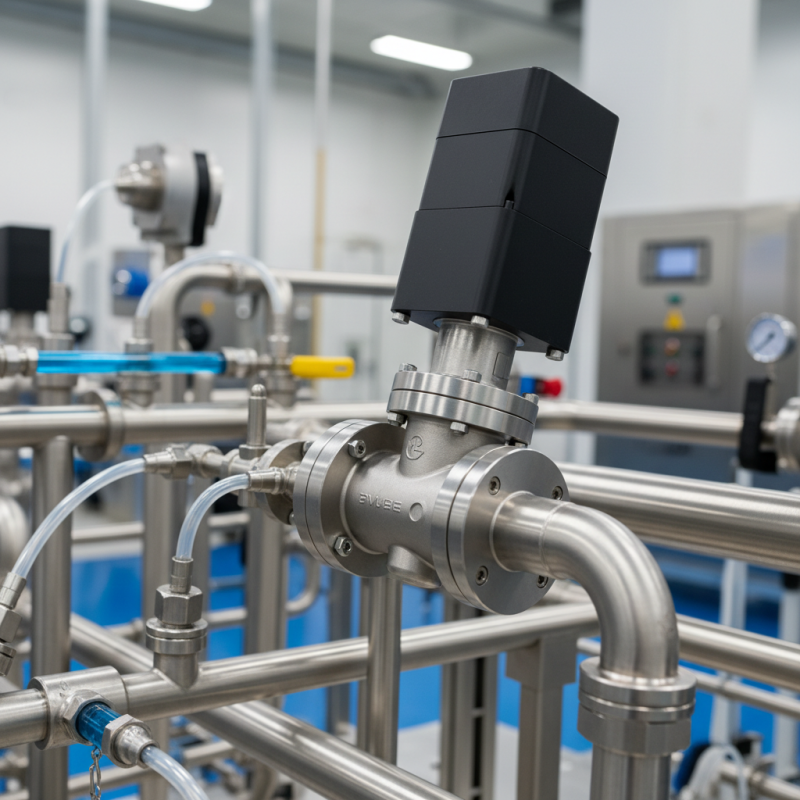
Understanding the Basics of Motorized Valves and Their Applications
Motorized valves play a crucial role in modern systems, controlling the flow of liquids and gases. Understanding their basics is essential for making informed choices. These valves come in various types, including globe, ball, and butterfly valves. Each type serves specific applications, depending on the required flow characteristics and system design.
In the industrial sector, motorized valves can enhance efficiency. A recent report indicates that the global demand for these valves is expected to grow by 4.5% annually through 2027. This growth reflects increased automation and the need for precise flow management. However, not all systems need the same type of valve. For applications requiring tight sealing, globe valves may be preferable. In contrast, ball valves are suitable for on/off flow control due to their quick operation.
Tips: Consider the application’s pressure and temperature requirements. Installing the wrong valve can lead to leaks or inefficient operation. Always consult with experts when in doubt. Also, consider the energy requirements of the motor used. An overpowered motor can lead to unnecessary costs. Evaluate maintenance needs as well; some motorized valves require more upkeep than others. Feel free to explore various options but do not skip asking for professional recommendations.
How to Choose the Right Motorized Valve for Your System?
| Valve Type | Applications | Operating Voltage | Control Type | Material |
| Ball Valve | Water Supply, HVAC | AC 24V | Modulating | Brass, Stainless Steel |
| Globe Valve | Fluid Control, Heating Systems | DC 12V | On/Off | PVC, Steel |
| Butterfly Valve | Pipelines, Wastewater Treatment | AC 220V | Modulating | Aluminum, PVC |
| Check Valve | Prevent Backflow, Water Systems | AC 110V | On/Off | Stainless Steel, Brass |
Key Factors to Consider When Choosing a Motorized Valve
When selecting a motorized valve, key factors play a critical role. One crucial aspect is the valve's size. It should match the flow requirements of your system. A valve that is too small may restrict flow, while one that is too large can lead to energy inefficiencies. Remember to assess the pipe size and the overall system configuration.
Another factor is the control type. Decide if you need on/off control or modulating control. On/off valves are straightforward, while modulating valves allow for precise flow regulation. This can be vital in systems requiring exact flow rates. An overlooked point is the power supply. Ensure it matches the valve’s requirements for optimal performance.
Tip: Consider the installation location. Ensure easy access for maintenance. Sometimes, tight or awkward spaces can complicate repairs.
Material composition is also essential. Choose materials that withstand the system's working conditions, such as temperature and pressure. Failure to consider this can lead to premature wear.
Tip: Regularly review system requirements. They may change over time, affecting your valve choice.
Overall, understanding these critical factors ensures you select the right motorized valve for your specific needs.
Types of Motorized Valves and Their Specific Use Cases
Motorized valves are essential components in various systems. They control the flow of liquids and gases. Different types serve specific purposes. A commonly used type is the globe valve. It regulates flow effectively. Applications include water treatment and HVAC systems. Another popular option is the ball valve. It offers quick shut-off capabilities. This makes it ideal for applications requiring precise control.
Butterfly valves are also prevalent. They are lightweight and cost-effective. These valves excel in large pipes and systems with high flow rates. However, they may not provide the best sealing performance. This is a point to consider. Gate valves, with their simple design, are useful in on/off applications. They do not work well for flow regulation.
Choosing the right valve requires careful thought. Each type has pros and cons. Consider factors like pressure, temperature, and the medium used. It can be easy to overlook important details. In some cases, users might need multiple valves for different sections of a system. This adds complexity but can enhance efficiency. Always reflect on how the chosen valve fits within your specific needs.
Evaluating System Compatibility with Motorized Valves
When selecting a motorized valve, system compatibility is crucial. Not all systems work well with every valve type. It's essential to evaluate the specific requirements of your application. For example, a study from the Global Valve Market Analysis shows that 45% of valve failures are due to compatibility issues. This statistic highlights the importance of thorough consideration.
Consider your system's pressure and temperature range. Many motorized valves are designed for specific ranges. Using a valve outside its specifications can lead to inefficiency or failure. Moreover, the valve material must match the fluid type. Improper material choices can cause corrosion and damage. A report from the American Society of Mechanical Engineers indicates that material incompatibility accounts for 30% of valve malfunctions.
It's also vital to review control requirements. Different systems employ distinct control methods, like on/off or modulating functions. The actuator's response speed should align with system needs. Incompatible response times can disrupt system performance. Engineers often overlook these aspects, leading to operational issues and unnecessary expenses. A thorough evaluation can prevent these pitfalls and improve overall system efficiency.
Motorized Valve Compatibility Evaluation
This chart illustrates the compatibility evaluation of different motorized valve models across various specifications such as pressure range, temperature range, flow rate, and voltage compatibility. Analyzing these metrics helps in choosing the right motorized valve for your system.
Maintenance and Troubleshooting Tips for Motorized Valves
Motorized valves are essential in many systems, but they require regular maintenance to function effectively. One common issue is debris buildup. Dust and particles can clog the valve, causing it to malfunction. Regular inspections can help spot this issue quickly. Cleaning the valve regularly can save time and repair costs in the long run.
Another area that often needs attention is the electrical connections. Loose or corroded connections can lead to erratic behavior. Checking these connections periodically ensures that your valve operates smoothly. Sounds simple, but many overlook this step. A simple tightening can prevent bigger problems later on.
Lastly, don't ignore the actuator. It can wear out over time. Listen for unusual sounds during operation. They may indicate an underlying problem. Consider keeping a log of maintenance activities. This helps identify patterns and flaws in the system, leading to better performance. Staying proactive can avoid significant downtime.