How to Choose the Right Double Eccentric Butterfly Valve?
Choosing the right double eccentric butterfly valve is crucial for efficient system operations. Industry expert John Smith once stated, "The right valve can make all the difference in performance." His insight highlights the importance of making informed decisions.
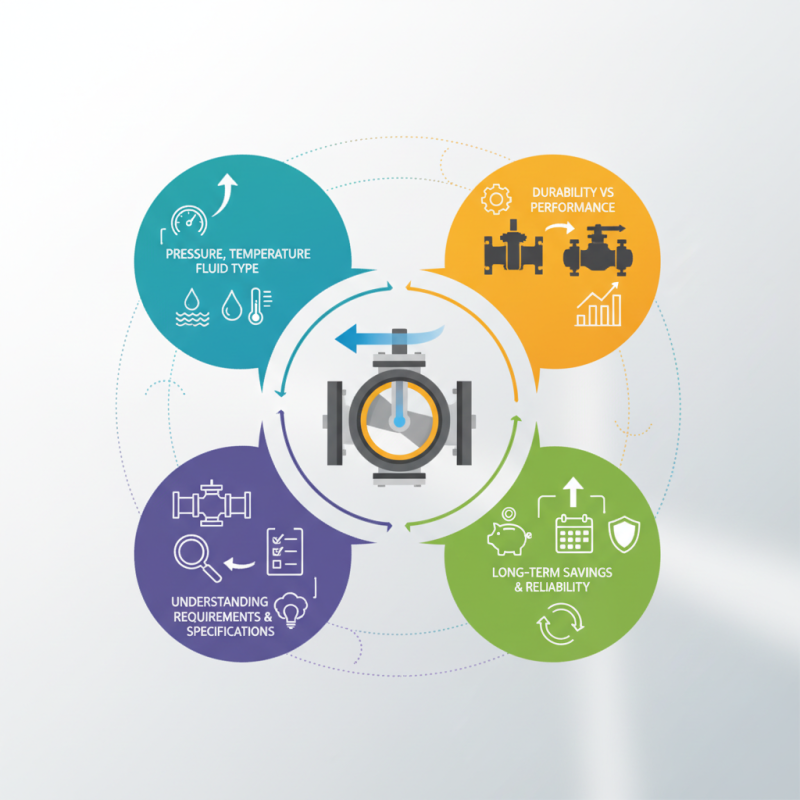
double eccentric butterfly valves offer unique features that affect functionality. Their design allows for better sealing and reduced wear. However, not all double eccentric butterfly valves are created equal. The right choice depends on various factors, such as pressure, temperature, and fluid type. Many users struggle with these decisions, often overlooking vital specifications.
It's easy to get overwhelmed by options. Some valves may look appealing but lack durability. Others may fit your system but not provide optimal performance. Investing time in understanding your requirements is essential. Remember, the right double eccentric butterfly valve can lead to long-term savings and reliability. It's a choice worth reflecting on.
Understanding Double Eccentric Butterfly Valves and Their Applications
Double eccentric butterfly valves play a crucial role in various industries. They feature a unique design that allows for minimal friction and wear. This efficiency makes them ideal for high-performance applications. These valves often handle liquids and gases under varying pressures. According to industry data, these valves can achieve a leakage rate as low as 0.1% of the flow at full open position, making them reliable choices.
In water treatment plants, double eccentric butterfly valves are frequently used. They control flow effectively in both clean and wastewater scenarios. Their lightweight design contributes to easier installation and maintenance. Additionally, these valves suit environments with frequent on-off operations. However, users sometimes overlook the importance of proper sizing. Incorrect sizing can lead to inadequate flow control or increased wear.
**Tip:** Always consult flow requirements before selecting a valve. Ensure the valve type aligns with specific operational needs.
Operating temperatures and pressures must be considered. While these valves excel in many conditions, extreme circumstances can decrease performance. Double eccentric butterfly valves also face challenges like cavitation and vibration. Identifying potential issues early can save resources.
**Tip:** Regular maintenance checks can help extend the life of the valve and prevent costly downtime.
Comparison of Double Eccentric Butterfly Valve Applications
Key Factors to Consider When Selecting a Double Eccentric Butterfly Valve
When selecting a double eccentric butterfly valve, several key factors should be considered. The valve’s design significantly influences its performance. Key design variants can affect durability and efficiency. Research indicates that about 25% of system failures in pipelines are due to improper valve selection. Thus, understanding the intended application is crucial.
Material selection is another critical aspect. Common materials include stainless steel, cast iron, and plastic. Each material has unique properties impacting corrosion resistance and temperature tolerance. In one industry report, it was noted that 30% of valve failures occur because users ignore environmental conditions.
Tips: Always assess the fluid characteristics before making a choice. Specific conditions may require different materials. Also, consider the pressure and temperature ratings. Verify that the valve meets these requirements to avoid unexpected failures.
Finally, the size of the butterfly valve must match the system design. Mismatched sizes can lead to flow issues and pressure drops. Make sure to accurately measure and calculate flow rates. Many users underestimate this, resulting in costly reworks. Proper research and consultation can save time and money.
Materials and Construction Quality of Double Eccentric Butterfly Valves
When selecting a double eccentric butterfly valve, materials and construction quality are crucial. High-quality valves typically use durable materials like stainless steel and cast iron. These materials enhance longevity and performance under high pressure. A study by Flow Control Magazine revealed that valves made from these materials can have a lifespan exceeding 20 years, depending on usage.
However, not all manufacturers adhere to these standards. Some valves, constructed with subpar materials, may fail prematurely. In some cases, valves face corrosion issues, especially in acidic or high-temperature environments. According to a report from Valve World, nearly 15% of valve failures are attributed to material defects. This statistic emphasizes the need for thorough material testing and validation before making a purchase.
Construction quality matters equally. Butterfly valves should be rigorously inspected. Weld quality, sealing mechanisms, and overall design can all influence reliability. A poorly constructed valve may not seal properly. Consequently, this could lead to leaks or operational failures. Industry experts argue that improper installation often surpasses material issues as a failure cause. Each element plays a critical role in long-term performance; hence diligence in choosing both materials and construction is essential.
Sizing and Pressure Ratings for Optimal Double Eccentric Valve Performance
When selecting a double eccentric butterfly valve, sizing and pressure ratings are crucial. The valve's size must align with the system's flow requirements. Oversized valves can lead to turbulence and inefficient flow. Conversely, undersized valves may restrict flow, causing pressure drops. Accurate measurement of the pipeline's diameter is vital. A mismatch in sizing often leads to operational issues that are hard to fix.
Pressure ratings are another key factor. Understanding the maximum pressure your system encounters helps in choosing the right valve class. Each valve has a specific pressure limit. If exceeded, the valve could fail. It's essential to analyze the system's working conditions. This includes temperature and fluid type. Many overlook this step, thinking general ratings are sufficient. In reality, each application is unique.
Sometimes, even experienced professionals make sizing errors. Regularly reviewing specifications prevents costly mistakes. It's easy to assume a standard valve will suffice, but this might not be true. A detailed evaluation is necessary for optimal performance. Keep in mind that true efficiency comes from careful consideration and regular reflection on chosen components.
Maintenance and Longevity: Caring for Your Double Eccentric Butterfly Valve
When it comes to double eccentric butterfly valves, maintenance plays a crucial role in ensuring their longevity. A well-maintained valve can last many years, with reports from industry experts indicating a lifespan of 20 years or more with proper care. Regular inspections can identify wear and potential issues early. Overlooking minor issues can lead to significant failures.
Tips for maintenance include checking the valve’s seals regularly. Damaged seals can lead to leaks, affecting system efficiency. Keeping the valve clean is also essential. Residues can build up and cause malfunction. Scheduling routine maintenance every six months is advisable for optimal performance.
It's important to note that not all maintenance practices are foolproof. For instance, excessive lubrication can attract dirt instead of preventing wear. Further, if a valve is not operated within its specified limits, it can suffer from accelerated deterioration. Monitor the operating conditions closely to avoid these pitfalls. A small oversight can lead to major operational disruptions in your system.
How to Choose the Right Double Eccentric Butterfly Valve? - Maintenance and Longevity: Caring for Your Double Eccentric Butterfly Valve
| Attribute | Description | Importance | Maintenance Tips |
| Size | Diameter at which the valve operates | Critical for matching pipeline dimensions | Regularly check for proper fit during installations |
| Material | The construction material of the valve (e.g., brass, stainless steel) | Influences corrosion resistance and durability | Inspect for wear and corrosion regularly |
| Pressure Rating | Maximum pressure the valve can handle | Essential for safe operation | Monitor pressure levels to prevent exceeding limits |
| End Connection Type | How the valve will connect to pipes (e.g., flanged, wafer) | Affects installation and compatibility | Ensure compatibility with existing pipelines |
| Actuation Type | Method used to open/close the valve (manual, electric, pneumatic) | Influences ease of operation | Regularly check actuator functionality |
| Temperature Rating | Operating temperature limits | Affects valve material selection and safety | Monitor temperature fluctuations to maintain integrity |