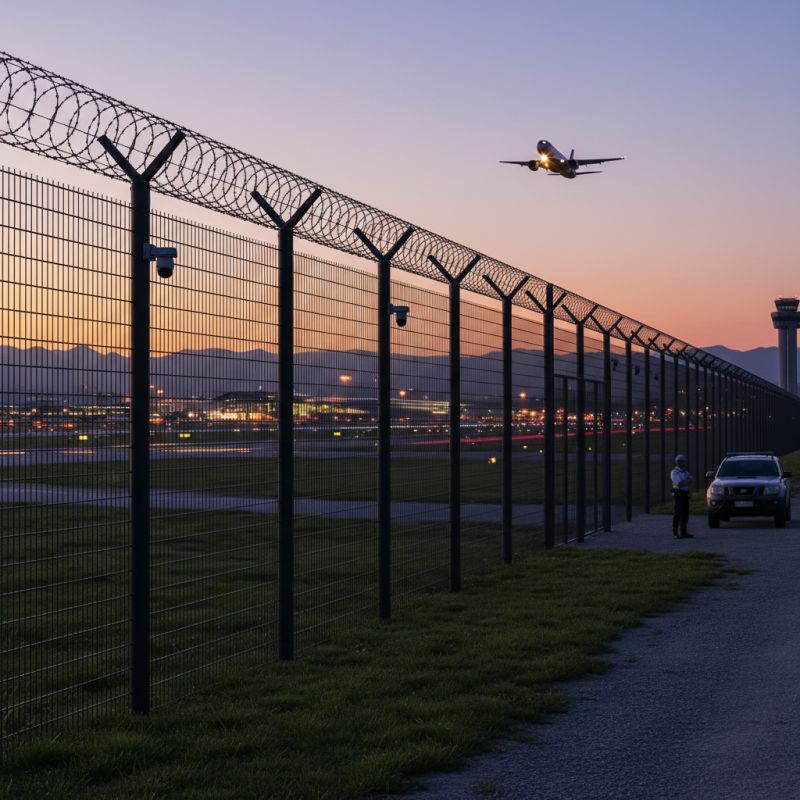
How to Choose the Right Airport Fence for Security?
Choosing the right airport fence is crucial for security. An effective airport fence can deter unauthorized access and protect sensitive areas. With the variety of options available, decision-makers need to consider different factors.
An ideal airport fence must be robust and reliable. Security requirements differ across airports. Some may need high-tech surveillance capabilities, while others focus on physical barriers. Evaluating the materials used and their resilience is important. A visually intimidating fence may deter threats, but functionality should not be overlooked.
Reflecting on your specific needs is essential. Are current fences meeting safety standards? How often is maintenance conducted? These questions can expose potential weaknesses. The goal is to not only secure the perimeter but also to enhance overall airport safety.
Understanding Airport Security Needs and Risks
Choosing the right airport fence is crucial for security. Airports face unique risks, including unauthorized access and potential threats. According to a report by the International Airport Security Council, over 70% of incidents at airports are linked to perimeter security breaches.
Fences must be robust and high enough to deter intruders. Chain-link fences are common, but they may not be sufficient. It's important to consider installing additional features, such as barbed wire or electrified options, depending on the threat level. Local regulations often dictate the height and type of security fence.
Tips: Assess the specific threats in your area. Consider employing a risk management expert. Regularly review and update your security measures based on evolving threats.
Regular maintenance of the fence is vital. Damaged sections can create vulnerabilities. Some airport authorities overlook this point. A thorough inspection routine can prevent serious security lapses. Remember, fencing alone isn’t enough. Integrate it with surveillance cameras for a comprehensive security solution.
Airport Security Fence Types and Their Effectiveness
Types of Airport Fencing Solutions Available
When choosing an airport fencing solution, various types should be considered. Traditional chain-link fences provide a basic security measure. They are often used due to their cost-effectiveness. However, they may not offer the highest level of deterrence.
For better security, consider welded wire fences. These are more robust and resistant to tampering. They can effectively prevent unauthorized access. Additionally, electric fencing adds another layer of protection. This option is more advanced, but it requires regular maintenance.
Tips: Always assess your specific security needs before making a decision. Conducting a risk assessment can help identify vulnerabilities. It’s important to rethink options regularly, as security needs may change.
As you evaluate, remember that fencing alone may not be enough. Combining fencing with surveillance systems can enhance security measures.
Key Features to Consider in Airport Fencing
When selecting an airport fence, several key features are crucial for ensuring security. Height is one of the primary considerations. Most experts recommend a minimum height of 8 feet. This adds an extra layer of deterrence against unauthorized access. According to a report by the Transportation Security Administration (TSA), effective perimeter security can reduce trespassing incidents by up to 90%.
Materials used in airport fencing also play a vital role. Chain-link, barbed wire, and anti-climb designs are common choices. The durability of the materials directly impacts maintenance costs and longevity. The average lifespan of a high-quality fence is 25 years, according to industry studies. Investing in robust materials can prevent costly repairs down the line.
Other features to consider include visibility and access control. Fencing that allows for clear visibility helps security personnel monitor the area efficiently. However, it also presents challenges for privacy. Some reports suggest that enhancing security features often leads to unintended consequences, like creating a fortress-like environment. Balancing security needs with a welcoming atmosphere is essential but often overlooked.
How to Choose the Right Airport Fence for Security? - Key Features to Consider in Airport Fencing
| Feature | Description | Importance |
| Height | Typically ranges from 6 to 12 feet to deter unauthorized access. | High |
| Material | Commonly made from chain-link, welded wire, or electrified components. | High |
| Visibility | Fencing should allow for clear visibility to monitor activities around the perimeter. | Medium |
| Access Control | Includes controlled entry points with security checkpoints. | High |
| Durability | Must withstand harsh weather conditions and potential vandalism. | High |
| Maintenance | Requires occasional checks and repairs to ensure effectiveness. | Medium |
| Cost | Budget considerations range broadly based on materials and installation. | High |
Regulatory Standards for Airport Security Fencing
When selecting fencing for airport security, regulatory standards play a vital role. These standards ensure that the airport meets the necessary safety requirements. The Federal Aviation Administration (FAA) sets guidelines that dictate the type of materials and structures to use. Often, these guidelines specify a minimum height and strength for fences to deter unauthorized access.
Different airports may face unique challenges. For instance, some locations deal with wildlife intrusions, while others need to manage unauthorized human access. This is where choosing the right materials becomes crucial. Chain-link fencing might suffice for some areas, while others may require more robust solutions like welded wire or barbed wire. Each option has pros and cons that should be carefully considered.
Lapses in fence integrity can lead to security breaches. Regular inspections are essential. Maintaining the fencing to ensure it adheres to standards can be overlooked in busy environments. This oversight can create vulnerabilities. Therefore, establishing a routine maintenance schedule is important. Stakeholders must continuously reflect on and adapt their security measures to address emerging threats effectively.
Installation and Maintenance Best Practices for Airport Fences
When it comes to airport fence installation, several factors must be considered. Selecting durable materials is critical for security. Fences made of steel or chain-link can provide robust protection. However, even the best materials need proper installation. The foundation must be solid. A weak base can lead to vulnerabilities. Regular inspections keep the fence in optimal condition.
Maintenance is also key to ensuring the fence's effectiveness. Regularly check for rust or damage. Small issues can escalate quickly. Addressing them promptly can save time and costs. Ensure that gates function properly and are secure. Every access point is a potential risk. Keeping fences clear of debris improves visibility. This practice can deter potential intruders.
Involving trained personnel for both installation and maintenance is crucial. Professional insight can make a difference. It's easy to overlook simple details. A well-fenced area is not just a barrier, but a peace of mind. Always stay proactive about safety measures. This vigilance is essential for securing any airport environment.