Best Wafer Roll Machine for Perfect Snacks?
The growing popularity of wafer roll snacks has ignited a surge in demand for high-quality Wafer Roll Machines. According to a recent market report by Snack Machinery Insights, the global wafer roll machine market is projected to reach $2 billion by 2025. This indicates a promising opportunity for manufacturers and entrepreneurs alike. However, as industry expert Dr. Emily Chen states, "Investing in a reliable Wafer Roll Machine can distinguish your product in a crowded market."
Crafting the perfect wafer roll requires precision and consistent performance from the machine. Consumers expect delicious, crispy snacks that are attractive and flavorful. Yet, achieving this can be challenging. Many operators face quality control issues, which can stem from outdated technology or poor maintenance. Furthermore, choosing the right machine involves understanding your specific needs and production capacity.
The selection of a Wafer Roll Machine is crucial. Though there are many options, not all machines guarantee the same results. It’s important to reflect on the performance metrics and user feedback before making a decision. A thorough understanding of your requirements will lead to better investment choices in this vibrant snack industry.
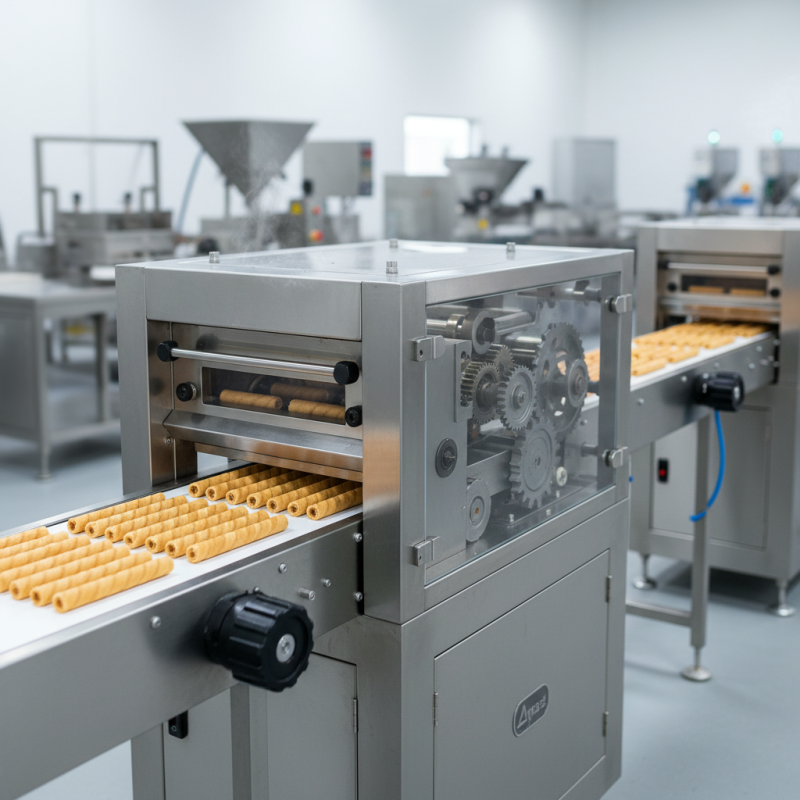
Overview of Wafer Roll Machines
Wafer roll machines are becoming popular for creating delicious snacks. They offer an efficient way to make perfectly shaped wafer rolls. Understanding their features can help you choose the right one. Most machines have temperature controls, which ensure even cooking. Additionally, many incorporate non-stick surfaces, making cleaning easier.
When using a wafer roll machine, consider the batter consistency. The thickness matters. Too thick, and the rolls will be uneven. Too thin, and they may break. Experimenting with different recipes can lead to better results. Remember to preheat the machine adequately, as this affects texture and flavor.
Tips: Always test a small batch first. Monitor the cooking time closely. Overcooking can ruin the snack's taste. Don't rush the cooling process, as it helps the rolls maintain their shape. Keep your workspace organized to streamline the process, as it can become messy quickly.
Key Features to Consider in a Wafer Roll Machine
When choosing a wafer roll machine, key features play a critical role. Consider the size and material of the machine first. A compact unit can fit easily in small kitchens. However, a larger model may be needed for commercial use. Stainless steel machines often last longer and are easier to clean.
Another important feature is the temperature control. Consistent heat is essential for perfect rolls. Machines with adjustable temperature settings allow for customization. This can affect the texture and flavor of your snacks. Keep in mind that some machines may not heat evenly. Testing different models could help you find the right one.
Tips: Look for machines with non-stick plates. This can make the rolling process smoother. You might find that cheaper models tend to stick, causing frustration. It's worth investing in quality for the best results. Lastly, customer reviews can provide insight. Sometimes, what looks good on paper doesn’t perform well in real life. Reflecting on the experiences of others can guide your choice.
Best Wafer Roll Machine Features Comparison
Top Brands and Their Popular Models
When it comes to making wafer rolls, the choice of machine is crucial. Various brands dominate the market, offering machines tailored for both home and industrial use. According to industry reports, the demand for wafer roll machines has increased by over 15% since 2020. This signals a growing interest in snack production.
Popular models from top brands often incorporate advanced technology to ensure uniform rolling. They can produce snacks at impressive speeds, with some capable of rolling up to 300 cones per hour. However, not all machines perform consistently. Many users report difficulties in getting the perfect texture, which can lead to wasted materials. This inconsistency can be frustrating, highlighting the need for testing and calibration during initial setups.
Additionally, while some machines are marketed as user-friendly, operators occasionally find them complex. They may require learning curves that are not evident in product descriptions. Maintenance can become a chore, causing delays in production. Careful consideration is needed before purchasing any model to ensure it meets baseline expectations. Making the right choice can impact the efficiency of snack production significantly.
Maintenance Tips for Optimal Performance
When it comes to wafer roll machines, maintenance is key to achieving optimal performance. Regular upkeep ensures longevity and functionality. According to recent industry reports, machines that receive consistent maintenance can enhance production efficiency by up to 30%. This statistic highlights the importance of taking care of your equipment.
One critical tip is to clean the machine after each use. Flour and sugar residues can build up, leading to clogs and malfunctions. A clean machine will produce better snacks. Additionally, lubricate moving parts regularly. This step minimizes wear and tear, contributing to smooth operation.
Another factor is inspecting belts and gears for wear and tear. These components often get overlooked. If not replaced timely, they can lead to major breakdowns. Investing in high-quality replacement parts will pay off. It's also vital to train staff on proper operation. Misuse can cause significant damage, leading to costly repairs. A misunderstood setting can alter the texture of the final product. Every detail matters in the quest for perfect snacks.
Best Wafer Roll Machine for Perfect Snacks? - Maintenance Tips for Optimal Performance
| Model | Production Capacity (units/hour) | Power Consumption (kW) | Weight (kg) | Maintenance Frequency (months) | Price Range (USD) |
| Model A | 100 | 2.0 | 150 | 6 | 1000 - 1500 |
| Model B | 150 | 2.5 | 200 | 4 | 1200 - 1700 |
| Model C | 120 | 1.8 | 180 | 5 | 900 - 1300 |
| Model D | 200 | 3.0 | 250 | 6 | 1500 - 2000 |
DIY vs. Commercial Wafer Roll Machines
When deciding between DIY and commercial wafer roll machines, the purpose matters. DIY machines are great for home experimentation. They allow you to customize flavors and shapes. You can try unique fillings too. However, the results may vary. Not every attempt yields perfect rolls. Practice is key.
Commercial machines are designed for consistent results. They are built for efficiency and speed. If you're aiming for a business, this might be the better choice. Still, these machines can be expensive. The investment is crucial for profitability. Skimping on quality might affect the final product.
Tips: Start with a simple recipe when using a DIY machine. Test different temperatures and cooking times. Small adjustments can lead to better outcomes. For commercial machines, maintain regular cleaning and maintenance. This avoids breakdowns and ensures optimal performance. Don't be afraid to experiment, but also learn from mistakes.