Best Step Drill Techniques for Perfecting Your Drilling Skills?
Mastering the art of drilling is essential for many DIY enthusiasts and professionals alike. Step drills play a key role in achieving precise, clean holes. Their unique design allows for various hole sizes, making them versatile and efficient. However, many struggle with their technique.
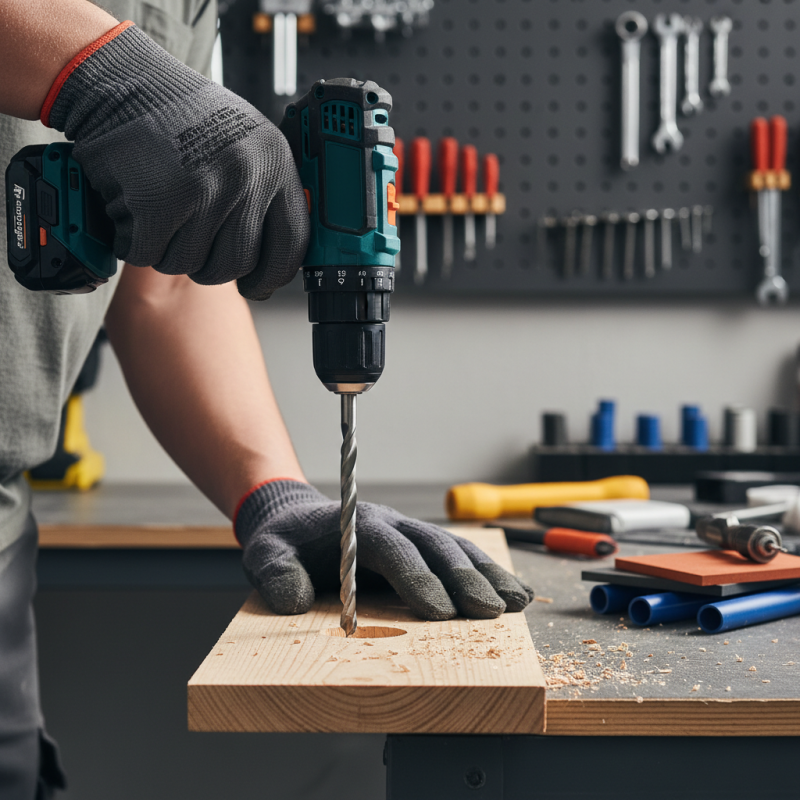
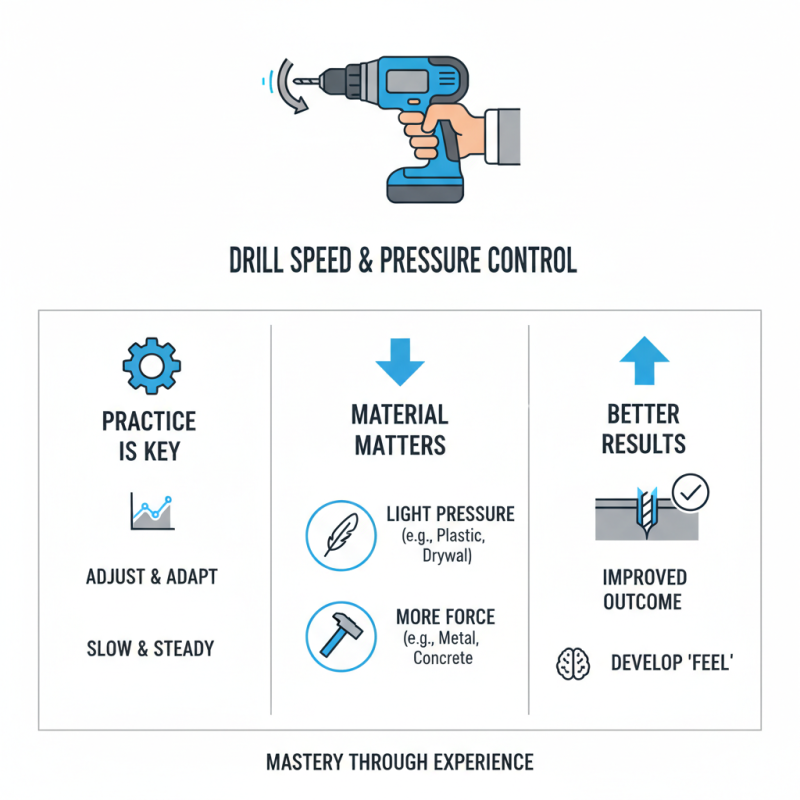
A common mistake is applying too much pressure when drilling. This can lead to uneven holes and damaged materials. It's important to maintain a steady hand and let the drill do most of the work. Another area for improvement lies in the drilling speed. Too fast can warp the material; too slow may not create a clean entry.
Practicing with step drills can be daunting, yet it is necessary. Beginners often overlook proper bit positioning. Reflecting on missteps is vital for growth. Embracing these challenges will enhance your drilling skills. With patience and practice, you'll become proficient in using step drills.
Understanding Step Drill Bits and Their Applications
Step drill bits play a crucial role in various drilling applications, from metalworking to electrical installations. These bits have multiple diameters along their length, allowing users to create different-sized holes with precision. According to a report by the European Industrial Drilling Association, the use of step drill bits can increase efficiency by up to 30%. This is significant for professionals aiming to enhance their productivity.
In practice, mastering step drill techniques requires attention. Users must position the drill correctly to avoid uneven holes. It's common to see inconsistent results when drill speed is inappropriate. A slow, steady pace often yields better outcomes. Observing the chips produced can inform adjustments needed during the process. Noticing whether they break or curl can indicate whether the drill is too slow or too fast.
Many forget about cooling and lubrication. This oversight can lead to tool wear and reduced lifespan. Recommendations suggest using cutting fluid, especially with harder materials. However, some experience problems with fluid use, like excessive mess or heat buildup. These challenges highlight the need for practical experience and adjustments to technique. By focusing on these details, users can significantly improve their drilling skills and outcomes.
Essential Safety Precautions for Step Drilling
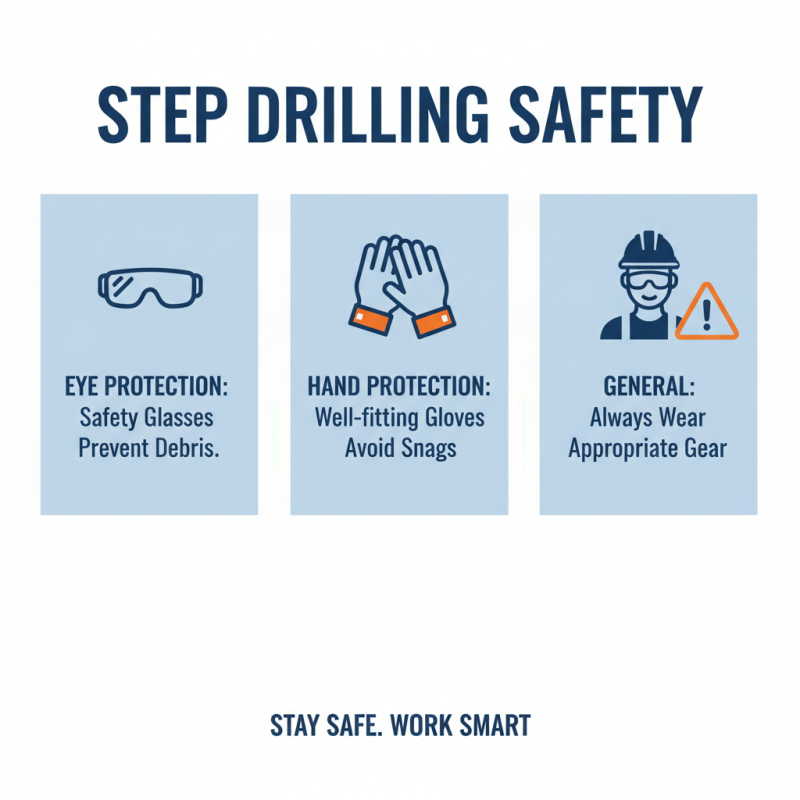
Step drilling can be rewarding but requires attention to safety. Always wear appropriate gear. Safety glasses are a must. They prevent debris from entering your eyes. Gloves can protect your hands, but ensure they fit well. Loose gloves can snag on equipment.
Check your workspace before drilling. Clear away any clutter. This reduces the risk of accidents. Place your materials securely, ensuring they won't move during drilling. Properly secured materials minimize chances of injury. It's also vital to maintain a safe distance from others while working.
Be mindful of your technique. Sometimes, overconfidence can lead to mistakes. Drill at a steady pace, and don't force the drill. If you hit resistance, stop and assess the situation. Rushing can cause damage to both the material and your tools. Regularly check your equipment for wear and tear. A worn tool is more dangerous and less effective.
Techniques for Accurate Marking and Positioning
Accurate marking and positioning are crucial when using step drills. They ensure precision and efficiency, especially in metalwork and woodworking. According to a report by the Manufacturing Institute, poor marking contributes to up to 25% of errors in machining processes. This highlights the importance of proper techniques.
Using a sharp pencil or scribe to mark your drill points can significantly improve accuracy. Make sure the marks are visible yet not too deep. Remember, a faded mark can lead to misalignment. A study indicates that 70% of professionals recommend using a center punch for initial marking. It creates a small indentation, preventing the drill bit from wandering.
Despite these techniques, mistakes can occur. Not all surfaces are ideal for drilling. Uneven surfaces can cause slippage. Additionally, improper positioning can lead to wasted material. Regular practice helps but maintaining focus is essential. A drill won’t forgive a moment’s distraction, and the consequences can be costly.
Best Step Drill Techniques for Perfecting Your Drilling Skills
This bar chart illustrates the effectiveness of various step drill techniques based on accuracy and user satisfaction levels. The data is sourced from a community survey of drilling enthusiasts.
Common Mistakes to Avoid When Using Step Drills
When using step drills, avoiding common mistakes is essential for effective drilling. One frequent pitfall is applying too much pressure. This can lead to overheating and wear. Instead, let the drill do the work. A steady, moderate pressure allows the drill to glide smoothly through materials.
Another common mistake involves improper speed settings. Using the wrong speed can compromise accuracy. A slower speed is often better, especially for tougher materials. This helps maintain control and reduces the risk of chipping. Don't forget about proper lubrication, which keeps the drill cool and functioning well.
Many users overlook the importance of clear markings. Not marking your drilling points can lead to errors. It’s easy to misalign holes without a reference. Take a moment to measure carefully before starting. Lastly, ensure that the step drill is compatible with the material you’re working on. Using the wrong drill can cause frustration. Reflecting on these mistakes can significantly improve your drilling experience.
Best Step Drill Techniques for Perfecting Your Drilling Skills
| Technique |
Description |
Common Mistakes |
Tips for Improvement |
| Correct Positioning |
Ensure the drill is perpendicular to the surface. |
Drilling at an angle can cause issues. |
Use a laser level or square to check alignment. |
| Speed Control |
Adjust the drill speed as per the material. |
Too high speed can overheat and damage the drill. |
Start slow and gradually increase speed. |
| Using Lubrication |
Apply lubricant for smoother drilling. |
Neglecting lubrication can cause wear. |
Choose the right lubricant for the material. |
| Proper Bit Selection |
Select the appropriate step drill bit. |
Using the wrong size can lead to imperfections. |
Check the material thickness and bit specifications before drilling. |
| Consistency in Pressure |
Maintain consistent downward pressure while drilling. |
Too much pressure can break bits. |
Practice pressure control on scrap materials first. |