Choosing among the 10 Best Place Machine Suppliers for Global Buyers takes more than comparing brochure speeds. A placement line may run thousands of components per hour, but small differences in accuracy, feeder setup, and changeover time can affect daily output. Buyers should check how suppliers verify placement performance, support different component sizes, and maintain equipment after installation. Details matter.
Manufacturing expert Taiichi Ohno offered a useful principle: “Where there is no standard, there can be no kaizen.” For Place Machine buyers, that means asking suppliers to explain their testing methods, service procedures, and performance measurements in clear terms. Request a live demonstration using representative boards and components. Ask how quickly local technicians can respond, which spare parts are stocked nearby, and what training operators receive. A polished demo helps. Documented results help more.
This guide compares suppliers through practical considerations, including machine capability, integration, support, and suitability for different production needs. Not every buyer needs the fastest model. Some need flexible changeovers; others need dependable local service. Even a carefully researched shortlist has limits: factory conditions vary, and published specifications do not tell the whole story. Use these profiles to shape your questions, then confirm claims with references and application-specific testing. One overlooked detail can change the decision.
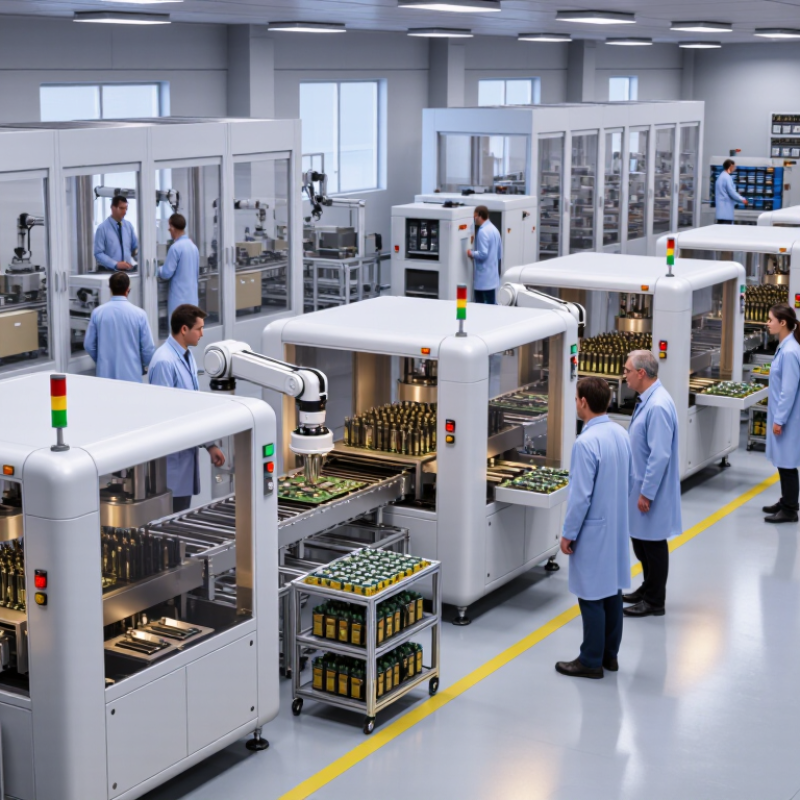
Pick-and-place machines transfer small parts from feeders or trays onto a defined position. In electronics assembly, they commonly place chips and connectors onto printed circuit boards. A camera can check component orientation, while programmable motion controls placement speed and accuracy. Feeders, nozzles, and software settings all affect performance. A poorly loaded feeder can interrupt an otherwise stable line. These details matter.
Applications extend beyond circuit boards. Factories use similar equipment to handle packaged goods, molded parts, and medical-device components. The machine may work alone or alongside conveyors, inspection stations, and other automation. Suitable capacity depends on part size, placement tolerance, production volume, and changeover needs. Fast output is useful, but it does not guarantee consistent quality. Operators still need to inspect setup and monitor results.
Tips: Ask suppliers for a trial using your actual parts. Check changeover time, feeder compatibility, and service access. Small setup issues can become expensive habits.
A capable machine supplier should understand the work your equipment must perform, not just the model listed in a quotation. Describe your materials, target output, operating hours, and acceptable tolerances. Ask how the proposed machine handles your actual product, including awkward sizes or frequent changeovers.
Request a practical demonstration using comparable materials. Observe cycle time, noise, vibration, and how easily an operator can reach controls or clear a jam. Check whether the supplier provides installation plans, training, spare-parts lists, and clear maintenance intervals. Details matter. A polished specification sheet does not prove the machine will fit your production floor.
Compare total ownership costs, not only purchase prices. Include shipping, commissioning, energy use, tooling, and expected service visits. Ask for references from buyers with similar workloads, then verify response times and parts availability. A supplier may promise fast support, but written service terms are more useful. That takes time. No checklist removes every risk, and I would not treat one successful demonstration as proof of long-term reliability. Review the warranty exclusions and technical documents carefully before committing.
10 Best Place Machine Suppliers for Global Buyers
Profiles of Ten Leading Pick-and-Place Machine Suppliers
Profiles of ten leading pick-and-place machine suppliers help buyers compare more than headline placement speed. Strong profiles explain supported component sizes, feeder capacity, board dimensions, placement accuracy, and changeover time. They also clarify whether quoted throughput reflects a real production mix or an ideal test board. Small details matter: a feeder setup that saves minutes per shift can reduce delays across a busy line.
The International Federation of Robotics’ World Robotics 2024 report recorded 541,302 industrial robot installations in 2023, with about 70% installed in Asia. This wider automation trend makes supplier service and spare-parts access important, not just machine specifications. Compare training, installation support, software updates, and maintenance response times. Ask suppliers for references from factories producing similar board volumes and component types. A specification sheet is not a production line. Even a polished supplier profile may leave out inconvenient trade-offs, so verify claims with a trial using your own boards and components.
Tips: Request a timed demonstration with representative boards. Check placement quality, changeover steps, and error recovery. Record the results. Then compare total ownership costs, including feeders, training, and service.
Comparing placement machine suppliers means looking beyond headline speed. Ask how the machine performs with your actual components, board sizes, and production mix. A live trial can reveal placement consistency, changeover time, and how clearly the software flags errors. Watch a full setup, not just a polished demonstration. Small details matter: feeder loading, nozzle access, and the time needed to recover after a stoppage. Published specifications help, but they do not replace measured results from a representative job.
Service can matter as much as technology. Check whether technicians offer installation, operator training, preventive maintenance, and remote diagnostics. Ask how quickly common spare parts can reach your facility, and whether support hours match your production shifts. That matters. Global reach is not just a list of sales offices; it includes local language support, practical shipping arrangements, and dependable access to service.
Request references from buyers with similar workloads, while recognizing that their results may not match yours. A supplier may look strong on paper and still be a poor fit for a particular factory. Compare total ownership costs, including training, software updates, consumables, and expected downtime. I would not rank suppliers by speed alone; a slower, stable process may be the better choice.
Some questions remain difficult to settle before installation. That is worth admitting.
Selecting a placement machine supplier begins with the parts and boards your line actually handles. List component sizes, board dimensions, required placement accuracy, and daily output before comparing proposals. Peak speed is not enough. Ask suppliers to run a sample board using components similar to yours, then inspect placement quality and changeover time. A machine that performs well only under ideal demo conditions may disappoint on a mixed production line.
Check how the supplier documents specifications, training, spare parts, and service response times. Ask which feeders and software versions are compatible, and whether operators can complete routine calibration without outside help. Request a written estimate of installation, maintenance, and likely consumable costs—not only the purchase price. Small details matter. A delayed feeder or unclear setup instruction can leave a line idle.
It is easy to overvalue a fast demonstration; I might do the same unless test conditions are clear. Compare results using the same board, components, and acceptance criteria across suppliers. Speak with existing users about support after installation, while remembering that one factory’s experience may not match yours. Before signing, have production and maintenance staff review the proposed workflow and identify what still feels uncertain.