Top 10 Benefits of Using Submersible Pumps in Your Projects?
Submersible Pumps are a critical component in various projects, offering unique advantages that enhance efficiency and reliability. Industry expert John Smith, a veteran in the field, emphasizes, "Submersible pumps revolutionize how we handle water, providing unmatched efficiency in fluid management." This expertise highlights the essential role submersible pumps play in modern applications, from construction to agriculture.
Their design allows for smooth operation underwater, which minimizes noise and increases safety. Submersible pumps come in various sizes and capabilities, making them versatile for numerous tasks. Projects involving deep wells or flooded areas can significantly benefit from these pumps. Their effectiveness in moving large volumes of fluid quickly cannot be overstated.
However, challenges exist when implementing submersible pumps. Proper installation is crucial for optimal performance. Maintenance can sometimes be overlooked, leading to potential setbacks. Yet, with the right approaches and insights, these issues can be managed effectively. Understanding both benefits and limitations ensures better project outcomes and fosters reliance on these indispensable tools.
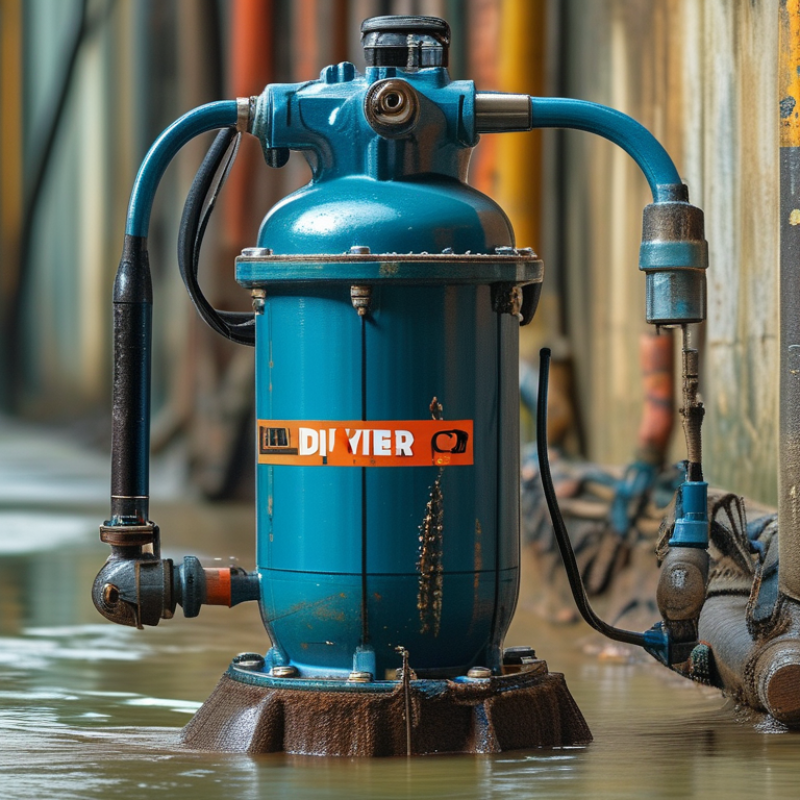
Advantages of Submersible Pumps in Various Applications
Submersible pumps offer significant advantages across various applications. They are particularly useful in construction sites where water must be removed efficiently. The compact design allows them to work in tight spaces, making them ideal for deep wells. Their ability to operate underwater enhances their performance, reducing the need for complex setups.
In agricultural settings, submersible pumps effectively deliver water to crops. This ensures consistent irrigation, promoting healthy growth. Their energy efficiency helps farmers save on operational costs. In industrial applications, these pumps manage wastewater effectively, ensuring safety and compliance with regulations. However, proper maintenance is crucial. Neglect can lead to malfunctions, causing delays and additional expenses.
These pumps also excel in residential areas, where they help manage drainage during heavy rains. Homeowners appreciate their reliability, but some may underestimate the importance of proper installation. A poorly placed submersible pump can lead to inefficiencies or even flooding. Understanding these factors is key to maximizing the benefits of submersible pumps in all projects.
Energy Efficiency of Submersible Pumps Compared to Other Types
Submersible pumps are renowned for their energy efficiency, especially when compared to traditional pump systems. These pumps operate underwater, which reduces energy loss significantly. They convert electrical energy directly into hydraulic energy, minimizing waste. This direct approach ensures that most of the energy consumed translates into effective fluid movement.
Moreover, submersible pumps tend to have a lower operating cost over time. Their design allows for variable speed operations, adapting to different conditions seamlessly. This flexibility can lead to substantial energy savings in prolonged usage. However, high initial costs can be a drawback. While the efficiency pays off long-term, the upfront investment may deter some project managers.
Environmental benefits should not be overlooked. Efficient energy use translates to lower carbon footprints for projects. Yet, one must consider the materials and maintenance required for these pumps. Regular servicing is crucial to maintain performance. Neglecting this can lead to inefficiencies and higher energy costs.
Evaluating the total lifecycle, including maintenance, is vital before committing to submersible pumps.
Durability and Maintenance Benefits of Submersible Pumps
Submersible pumps offer distinct durability and maintenance advantages for various projects. One significant benefit is their robust construction. Typically made from stainless steel or specialized plastics, these pumps can withstand harsh conditions. According to industry reports, submersible pumps can last up to 20 years with proper care. This longevity reduces the need for frequent replacements, ultimately saving costs.
Maintenance of submersible pumps is generally simpler than that of surface pumps. With no need for complex piping systems, they require less upkeep. Many users report that routine inspections and occasional part replacements are sufficient for optimal performance. Moreover, submerged operation helps to minimize wear and tear from environmental factors. Yet, undersized or improperly selected pumps can still lead to issues, highlighting the importance of careful planning.
In some cases, users overlook the need for regular monitoring. Neglecting this aspect can result in a decrease in efficiency over time. Nonetheless, the overall design of submersible pumps allows for improved reliability. Their ability to operate effectively in various water depths offers increased versatility. Ultimately, these factors contribute to their growing popularity across different sectors.
Environmental Impact and Water Conservation with Submersible Pumps
Submersible pumps have gained attention for their environmental benefits. They play a pivotal role in water conservation. These pumps can operate underwater, reducing energy consumption. Their efficiency minimizes water wastage during drainage or irrigation processes. Users often note that submersible pumps can extract water without disturbing the surrounding ecosystem. This feature protects aquatic life and maintains habitat stability.
However, not all is perfect. Some might overlook the potential risk of chemical contamination. Proper maintenance is essential to avoid issues that could harm the environment. Without regular checks, submersible pumps can inadvertently spread pollutants. It’s crucial to ensure that these pumps are suitable for the specific project at hand. While they provide significant advantages, awareness of their limitations is vital for responsible use.
Ultimately, the integration of submersible pumps in projects reflects a commitment to sustainable practices. Their design allows for reduced carbon footprints and lowered energy costs. A thoughtful approach to their usage can lead to effective water management. Balancing benefits with potential challenges ensures a more sustainable future.
Top 10 Benefits of Using Submersible Pumps
Versatility of Submersible Pumps in Different Project Environments
Submersible pumps excel in a wide range of project environments due to their unique design and operational capabilities. They are fully submerged in the fluid, allowing for efficient pumping operations in various conditions. According to a recent market research report, the global submersible pump market is expected to reach $25 billion by 2027, highlighting their growing importance in the industry.
In construction projects, submersible pumps play a crucial role in dewatering applications. They efficiently remove unwanted water from construction sites, thus enabling safe and timely project execution. Additionally, in agriculture, these pumps can easily operate in irrigation systems, distributing water precisely where it’s needed. This versatility allows them to adapt to various irrigation methods, such as drip and surface irrigation, enhancing overall efficiency.
However, it is essential to consider their limitations. While submersible pumps are efficient, they can be sensitive to abrasive materials in the fluid. Proper maintenance is critical to ensure longevity. A study indicated that improper usage can reduce a pump's lifespan by up to 40%. Understanding these challenges can lead to better operational strategies in different environments.
Top 10 Benefits of Using Submersible Pumps in Your Projects
| Benefit | Description | Project Environment | Efficiency |
| High Efficiency | Designed for optimal performance, ensuring high flow rates. | Construction Sites | Up to 85% |
| Space-Saving Design | Compact size allows for installation in limited spaces. | Residential Stagnant Water | N/A |
| Versatility | Suitable for various applications, including drainage and irrigation. | Agricultural Fields | N/A |
| Durability | Built with corrosion-resistant materials for longevity. | Industrial Water Treatment | N/A |
| Quiet Operation | Operates with minimal noise, improving workplace environment. | Residential Areas | N/A |
| Easy to Install | User-friendly installation process saves time and effort. | Small Projects | N/A |
| Excellent Performance in Deep Water | Can operate efficiently at significant depths. | Well Pumps | N/A |
| Environmentally Friendly | Minimizes energy use and reduces environmental impact. | Eco-Projects | N/A |
| Self-Contained Systems | Includes motor and pump in one unit, reducing complexity. | Remote Locations | N/A |
| Cost-Effective | Lower maintenance and energy costs translate to savings over time. | Budget Projects | N/A |