What Are the Benefits of Using a Digital Flatbed Printer?
In the ever-evolving world of printing technology, the Digital Flatbed Printer stands out as a game changer. Industry expert, Mark Johnson, states, "Digital Flatbed Printers bring innovation to life." These machines offer immense versatility, enabling printing on various substrates, from wood to acrylic. This adaptability is crucial for businesses seeking to expand their product offerings.
The use of a Digital Flatbed Printer provides unique benefits. For instance, its ability to produce high-quality prints quickly can significantly reduce turnaround times. This feature is vital for companies aiming for efficiency and creativity in their projects. However, many businesses still hesitate to invest, fearing upfront costs or complexity.
Despite these concerns, the potential that a Digital Flatbed Printer holds is undeniable. As markets demand more personalized and custom prints, those who overlook this technology may fall behind in innovation. The landscape of printing is changing, and adapting to these advancements is essential for survival in a competitive environment.
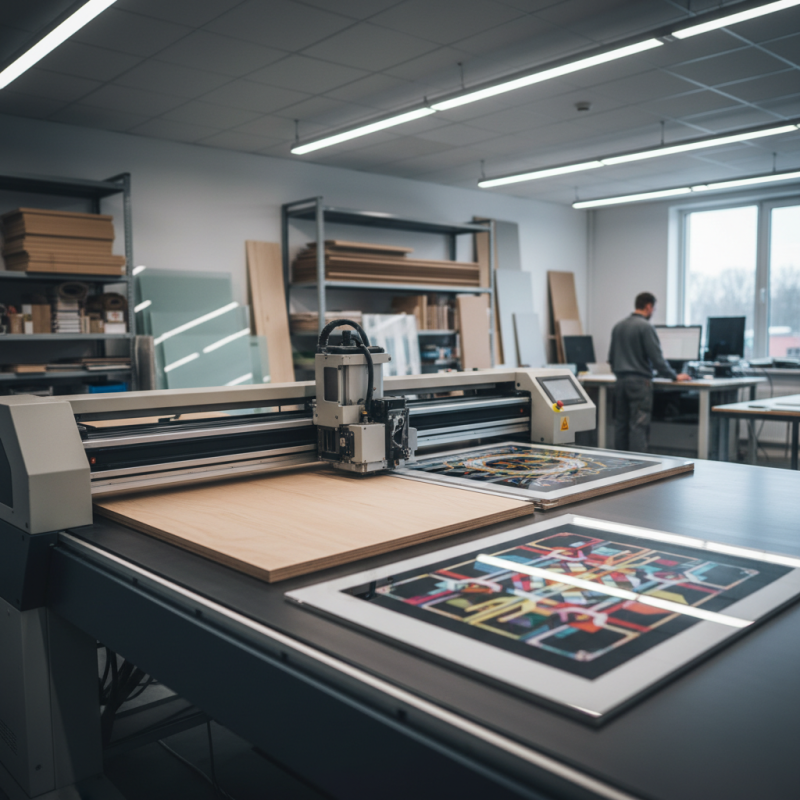
Benefits of Digital Flatbed Printers for Versatile Printing Applications
Digital flatbed printers have revolutionized the printing industry. Their ability to print on various substrates gives businesses versatility. Industries such as packaging, signage, and interior décor benefit immensely from this technology. According to a recent report, the global flatbed printer market is projected to grow at a CAGR of 4.2% through 2025. This growth reflects the increasing demand for customized solutions.
One significant advantage of digital flatbed printers is their eco-friendly operation. They minimize waste by using only the required amount of ink. Additionally, setups are often quicker than traditional printing methods. Companies can achieve higher productivity with shorter turnaround times. However, the initial investment in these printers can be steep, which makes it a careful consideration for smaller businesses.
Moreover, the technology allows for direct printing on materials like wood, metal, and glass. This adaptability opens up new avenues for creative projects. As businesses explore these capabilities, they often face challenges. Not all materials yield the same print quality. Testing is essential for optimal results. Finding the right balance between quality and cost remains a common concern for many.
Enhanced Print Quality and Detail in Digital Flatbed Printing
Digital flatbed printing stands out for its exceptional print quality and detail. This technology allows for intricate designs and vibrant colors. When you print on flat surfaces, the results are striking. Textures and patterns come to life, enhancing visual appeal. The high resolution of flatbed printers captures the finest details, which is crucial for both art and branding.
Each print can be unique. This adds a personal touch that many appreciate. The ability to print on various materials adds versatility. Imagine a stunning graphic on wood, metal, or glass. Each substrate interacts with ink differently, creating an array of visual effects. However, this can lead to inconsistencies. Achieving uniformity across different materials can pose challenges. Some might find this frustrating, but it also presents learning opportunities.
Fine-tuning the settings can make a significant difference. Adjusting the ink density and resolution can enhance results. Even small variations in technique can impact the final product. It’s a meticulous process that requires patience and practice. Embracing imperfections can lead to innovative outcomes. It's a constant journey of discovery that keeps artists engaged and inspired.
Benefits of Using a Digital Flatbed Printer
This chart illustrates the key benefits of using a Digital Flatbed Printer, rated on a scale from 1 to 10. Enhanced print quality ranks the highest, showcasing the significant improvement in detail and color accuracy that flatbed printers can provide.
Cost Efficiency and Reduced Waste with Digital Flatbed Printers
Digital flatbed printers offer significant cost efficiency. They utilize specialized ink and technology that minimize excess. This leads to less material waste during production. For businesses, this translates to savings on raw materials. With reduced waste, there’s also a lessened environmental impact. This is crucial, as consumers increasingly prefer eco-friendly brands.
When considering a digital flatbed printer, assess your needs. Think about the kinds of materials you often use. Different printers may work better with specific substrates. Also, keep in mind that initial costs can be high. Analyzing long-term savings is essential. Evaluate how quickly you can recover your investment.
Tips: Track your usage and waste regularly. This can help identify areas for improvement. Invest in training for staff to enhance efficiency. Always maintain your printer to ensure it operates at its best. Remember, not every job requires the same settings. Experiment and refine your process to find what works best for you.
What Are the Benefits of Using a Digital Flatbed Printer?
| Advantage | Description | Impact on Business |
| Cost Efficiency | Reduces setup costs associated with traditional printing methods. | Allows for lower production costs and higher profit margins. |
| Reduced Waste | Minimizes materials waste through precise printing techniques. | Enhances sustainability and reduces overall material costs. |
| Customization | Allows for on-demand printing and customization of designs. | Improves customer satisfaction with personalized products. |
| Faster Turnaround | Streamlined processes lead to quicker production times. | Enables businesses to meet tight deadlines and increase output. |
| Quality and Detail | High-resolution prints provide superior detail and color accuracy. | Enhances brand image and perceived value of products. |
Faster Production Times and Turnaround for Custom Projects
Digital flatbed printers significantly enhance production speed. They handle various materials, including wood, metal, and acrylic. This versatility streamlines the production process. Projects that once took days can now be completed in hours. Such efficiency is crucial for meeting tight deadlines.
Customization is another strong point of digital flatbed printers. They allow for unique designs tailored to client needs. This flexibility can lead to higher satisfaction. However, challenges may arise when balancing speed with quality. Sometimes, the rush to finish can compromise detail. It's essential to maintain high standards while pushing for faster results. Finding that balance can be difficult but rewarding.
As projects become increasingly complex, having the right tools is vital. Digital flatbed printers offer quick turnaround times, but they also require skilled operators. Training and experience can affect the final output. Ultimately, a careful approach ensures both speed and quality are achieved in custom projects.
Eco-Friendly Printing Options with Digital Flatbed Technology
Digital flatbed printers are transforming the printing landscape. These machines allow for printing directly on various materials. This includes wood, glass, and metal, creating vibrant visuals and unique textures. The technology used is often more eco-friendly compared to traditional methods. It's important to note that not every digital flatbed printer is equally sustainable.
One major eco-friendly aspect is the use of UV inks. These inks have low volatile organic compounds (VOCs), making them safer for the environment. They cure quickly, reducing energy consumption compared to solvent-based inks. However, not all UV inks are created equal. Some still contain harmful chemicals, which can negate the benefits. So, careful selection is crucial.
Another benefit is the reduction of waste. Traditional printing often relies on large amounts of paper for proofs. Digital flatbed printers can minimize this through direct printing. Yet, not all projects adapt well to this technology. Certain intricate designs may still need conventional methods. This duality in capabilities can be both a strength and a limitation. It invites reflection on the balance between innovation and traditional craftsmanship.