Top 10 Benefits of Using a Wafer Roll Machine?
The Wafer Roll Machine has transformed the food production industry. With a growing demand for innovative snacks, this machine plays a crucial role. According to industry reports, the global snack food market is projected to reach $600 billion by 2024, highlighting the surge in consumer interest.
Using a Wafer Roll Machine provides significant advantages. First, it enhances production efficiency, allowing manufacturers to meet rising demand. A study shows that automated machines can increase output by up to 40%. This efficiency leads to better profit margins for producers. Additionally, the flexibility of the Wafer Roll Machine allows for various flavors and fillings, catering to diverse consumer preferences.
However, manufacturers need to reflect on potential challenges. Initial investment can be high, and regular maintenance is essential for optimal performance. Balancing quality with speed remains a critical consideration. In an ever-competitive market, those who leverage the unique benefits of a Wafer Roll Machine can stand out, while others may struggle to keep pace.
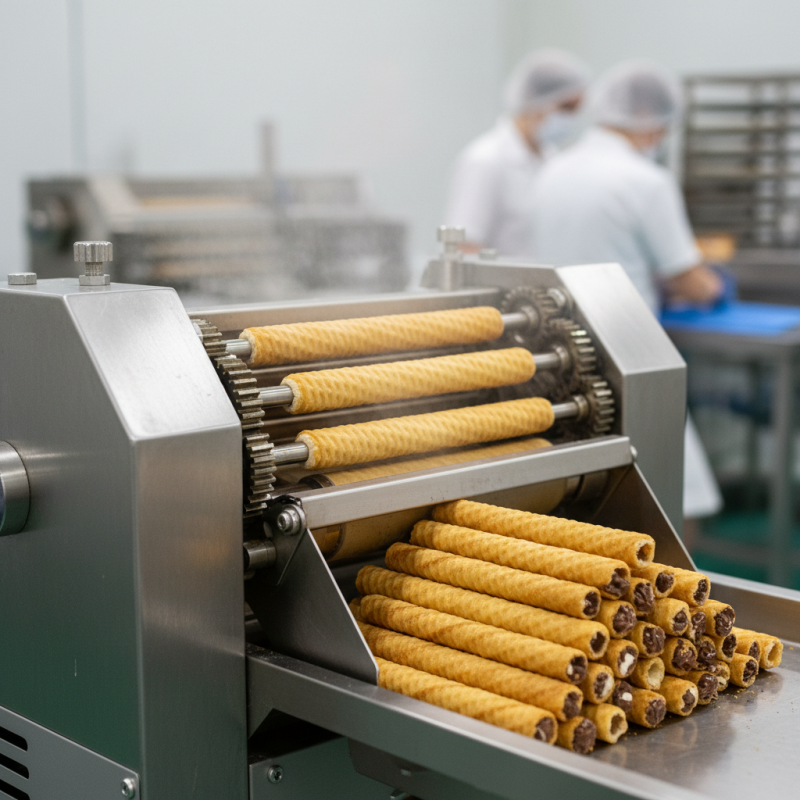
Understanding Wafer Roll Machines: An Overview
Wafer roll machines are gaining traction in the confectionery industry. They are essential for producing unique, crispy wafer rolls. These machines enable manufacturers to create a variety of flavors and fillings, meeting diverse consumer demands. As the global wafer market is projected to grow at a CAGR of 5.4% by 2025, this trend highlights the importance of these machines.
Many manufacturers are unaware of the energy efficiency that modern wafer roll machines offer. According to industry reports, energy consumption can be reduced by up to 30% with newer models. Companies can lower operational costs and enhance sustainability. This can lead to long-term savings.
**Tip:** Regular maintenance of wafer roll machines can prevent costly downtimes. It is crucial for maintaining consistent product quality. Small adjustments can make a big difference in production efficiency. However, it's essential to recognize that not every machine suits every recipe. Experimenting with different settings may be necessary to achieve the desired results.
Top 10 Benefits of Using a Wafer Roll Machine
| Benefit | Description |
| High Efficiency | Wafer roll machines are designed to produce large quantities of wafer rolls quickly, increasing production efficiency. |
| Consistent Quality | The automated process ensures that each wafer roll has a consistent thickness and texture, reducing defects. |
| Cost-Effective | Using a wafer roll machine can lower production costs by minimizing labor and waste. |
| Versatility | These machines can produce various flavors and types of wafer rolls, accommodating different market demands. |
| Easy Operation | Modern wafer roll machines are user-friendly with straightforward controls, making them easy to operate. |
| Low Maintenance | These machines are designed for durability and require minimal maintenance, improving long-term usability. |
| Compact Design | Many wafer roll machines have a compact footprint, making them suitable for smaller production spaces. |
| Energy Efficient | They are designed to use less energy compared to traditional methods, lowering operational costs. |
| Market Demand | The growing demand for wafer rolls in various markets makes it a lucrative investment. |
| Innovation | Incorporating the latest technology allows manufacturers to stay competitive with innovative products. |
Enhanced Production Efficiency with Wafer Roll Machines
Wafer roll machines have transformed production lines by significantly enhancing efficiency. Industry reports indicate that automating the wafer production process can boost output by over 30%. Faster processing times mean reduced labor costs. This efficiency helps businesses scale up quickly without compromising quality.
Moreover, wafer roll machines offer precision that manual methods can’t match. A study found that errors in manual wafer production can lead to a waste rate as high as 15%. With advanced technology, this rate drops to less than 5%. This precision not only conserves resources but also ensures a consistent product for consumers.
Despite these advancements, some manufacturers still rely on outdated techniques. This reluctance may stem from the initial investment costs associated with modern machinery. Yet, the long-term savings in material and labor often outweigh these concerns. Embracing technology remains a challenge for certain segments of the industry. However, those who adapt reap the benefits, enhancing not just production, but also market competitiveness.
Improved Consistency and Quality in Wafer Production
Using a wafer roll machine can significantly enhance the consistency and quality of wafer production. These machines ensure uniform thickness and texture, which leads to a more appetizing product. Consistent quality helps build customer trust. When your wafers have standard thickness, they fry evenly. This prevents some from burning while others remain raw.
Here are some tips for optimizing production. Regularly inspect your machine to avoid inconsistencies. Any malfunction can lead to uneven wafers, affecting both taste and texture. Train your staff well. They should know the machine's intricacies. A small mistake can lead to waste. Keep records of production metrics. Analyze this data for any patterns, as improvement is an ongoing process.
Another benefit is reduced material waste. When a machine operates optimally, every inch of dough is used. But, don’t overlook the potential for human error. Sometimes, operators might rush. This can lead to mishaps like incorrect settings. If you notice a quality dip, take a step back. Reflect on the entire process before resuming production. Quality is paramount in wafer making.
Cost-Effectiveness: Saving Resources with Wafer Roll Machines
Wafer roll machines offer impressive cost-effectiveness for manufacturers. These machines optimize production, which reduces wastage significantly. When using traditional methods, a lot of materials often get discarded. With wafer roll machines, you produce higher-quality products while minimizing scrap. This leads to substantial savings in resource costs.
Moreover, the efficiency gained helps in reducing labor costs as well. The automation in wafer roll machines means fewer workers are needed. This shift allows businesses to allocate human resources to more critical tasks. However, initial investments can be a concern. For smaller businesses, the upfront cost may require careful financial planning.
Additionally, machines require maintenance and operators must be trained. It is important to consider the long-term benefits versus these challenges. Even with these factors, the overall reduction in waste and labor often outweighs the drawbacks. Therefore, companies should evaluate whether the transition to a wafer roll machine aligns with their growth strategy.
Versatility in Product Variety: Exploring Wafer Roll Applications
Wafer roll machines are revolutionizing the snack industry. They create a wide range of products, from traditional wafer rolls to innovative desserts. The flexibility in design allows manufacturers to experiment with flavors and shapes. This versatility meets the growing demand for unique, visually appealing snacks.
Market research shows that the global wafer market is expected to reach $3.65 billion by 2025. Products vary in taste, texture, and form. Brands use wafer roll machines to produce items that cater to different consumer preferences. Trends indicate a rising interest in gluten-free and vegan options. This is an opportunity for wafer roll makers to diversify their offerings.
Yet, challenges exist. Maintaining quality during mass production can be tricky. Manufacturers must balance efficiency with creativity, often leading to mixed results. Adapting to market demands requires ongoing innovation. The ability to quickly adjust recipes or machine settings can make a significant difference. As the market grows, so does the need for improved techniques and better quality control in wafer production.
Top 10 Benefits of Using a Wafer Roll Machine