Why Choose a Step Drill for Metal Drilling?
A Step Drill can make clean, repeatable holes in sheet metal without changing bits for every diameter. Its stepped profile enlarges a pilot opening in stages, while the conical body helps guide the cut. In a workshop, that can mean fewer tool changes and a tidier bench. It can also mean less control if the bit is pushed too hard or allowed to wobble.
The right choice depends on the job. A Step Drill is especially useful for thin metal, electrical enclosures, and deburring existing openings. Check the bit’s material, coating, diameter range, and recommended speed before starting. Secure the workpiece, use suitable eye protection, and apply steady pressure with cutting fluid when appropriate. The result should be a smooth-edged hole, not a blue, overheated bit. Small details matter.
A verified quotation from a named Step Drill industry expert was not provided, so I won’t invent one or misattribute a saying. One practical principle for this guide is: “Let the cutting edge do the work; forcing the bit rarely improves the hole.” Treat that as editorial guidance, not a sourced expert quotation. There is a trade-off worth remembering: step bits are efficient, but they are not ideal for every metal, thickness, or precision requirement. A little hesitation before drilling can prevent a costly oversized opening.
What Is a Step Drill and How Is It Designed?
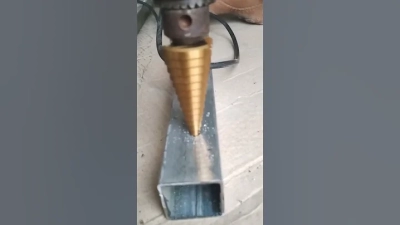
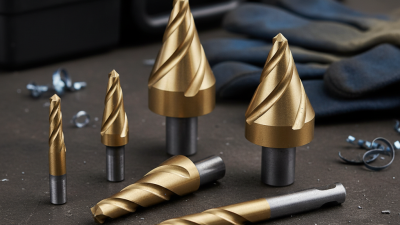
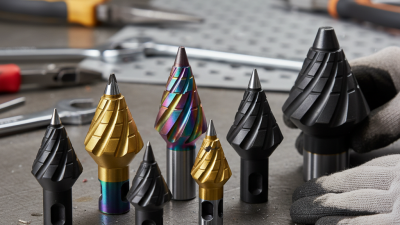
A step drill is a cone-shaped cutting tool with several stepped diameters along one flute. Each step enlarges a hole to a defined size, so one bit can replace several conventional drill bits. Most designs have a pointed pilot tip, a tapered body, and clear size markings near the cutting edges. The gradual transitions help the tool move from a small opening to a wider one. The result is often a clean, round hole in thin sheet metal.
Its geometry suits materials such as aluminum, mild steel, and plastic, though thickness and hardness affect performance. The flutes carry chips away, while the cutting edges shave material at each step. I find the markings useful, but they can become hard to read when the bit is oily or worn. It is not ideal for every job: thick plate may need a different drill. Go slowly.
Tips: Secure the workpiece before drilling, and use eye protection. Mark the target diameter, then stop when that step reaches the surface. Apply steady pressure rather than forcing the bit. Cutting fluid can reduce heat on suitable metals; check the material and tool guidance first. Remove sharp burrs carefully.
How Does Its Stepped Shape Drill Through Metal?
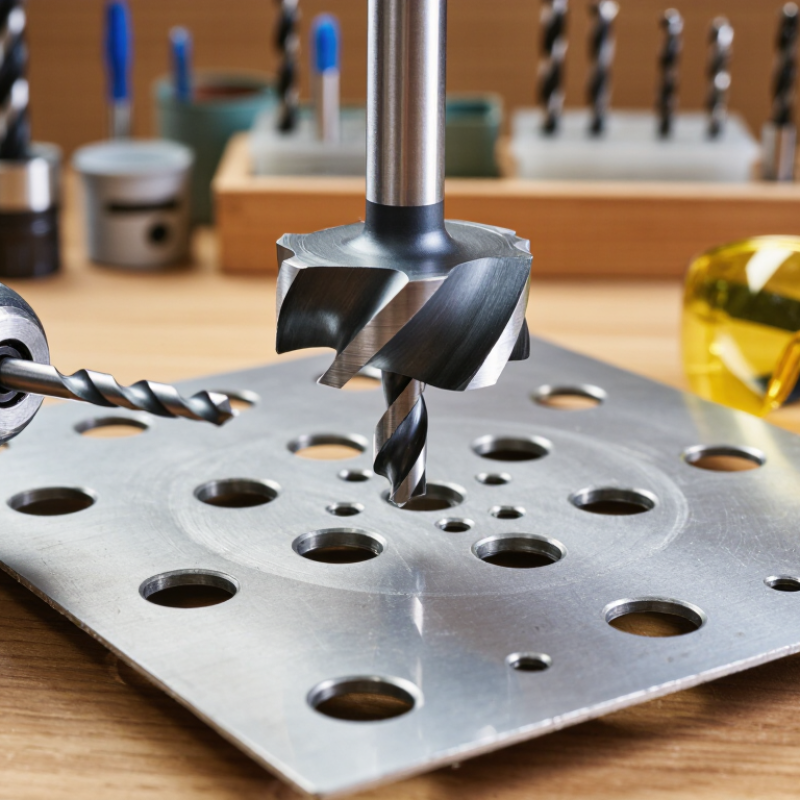
A step drill has a tapered body with cutting edges arranged in gradually larger diameters. Its narrow tip starts the hole, then each wider step removes more metal as the tool advances. This creates a larger opening without changing bits. The transition is visible: thin metal curls into small chips, and the cut grows wider with each step. The shoulder between steps also helps indicate the hole’s size. It is most useful on sheet metal; thick stock may need a different drill.
Keep the workpiece firmly clamped and let the drill run steadily. Too much pressure can make the bit chatter, leave a rough edge, or overheat. Match the chosen step to the sheet thickness and desired hole diameter. A step drill is not foolproof. I still find it easy to push past the intended size when watching the tool instead of the markings.
Tips: Use cutting fluid when suitable for the metal, clear chips often, and wear eye protection. A quick deburring pass can smooth the sharp rim. If the bit grabs, stop and check the setup.
Which Metal-Drilling Tasks Suit a Step Drill?
A step drill is most useful in thin sheet metal: electrical enclosures, vehicle panels, ductwork, and light-gauge brackets. Its stepped cones enlarge holes in stages, so one tool can create several diameters without swapping bits. Thin sheet fits. It is handy when a panel needs a clean 6 mm opening widened to 12 mm, or when a hole must be adjusted on site. The World Steel Association’s World Steel in Figures 2024 reports 1,892.2 million tonnes of crude steel production in 2023. That figure shows steel’s scale, not which drill to use; suitability still depends on thickness, alloy, and hole tolerance.
Step drills generally suit thin, ductile metals such as mild steel, aluminum, and copper. They are less suitable for thick plate, deep holes, or hardened steel, where a conventional twist drill or another purpose-built cutter may perform better. Clamp the work securely, mark the target diameter, and use cutting fluid when the material and tool guidance call for it. A step drill can grab as it breaks through; slow the feed and support the back of the sheet. A slightly rough edge can still occur, so inspect and deburr the hole before fitting hardware.
Tips: Check the tool’s diameter markings, drill speed guidance, and material limits. Test on a scrap offcut first; a small mistake in thin sheet is hard to hide.
What Benefits Does It Offer Over Standard Drill Bits?
On thin sheet metal, a step drill can make several hole sizes with one tool. Each wider cutting step enlarges the opening gradually, which can reduce grabbing compared with a standard twist bit. That control is useful when fitting a cable gland or making a clearance hole in an electrical enclosure. Less swapping. You can move to the next diameter without searching for another bit, and the stepped profile makes the target size easy to identify. With the sheet firmly clamped, the tool is also less prone to pulling thin material upward.
A standard drill bit remains a better choice for many jobs, especially deep holes or thicker stock. Step drills are designed mainly for thinner materials, and forcing one through thick metal can overheat the cutting edges or leave a rough hole. They do not guarantee a burr-free finish, either. A deburring tool may still be needed. Keep the drill speed within the tool maker’s guidance, use cutting fluid when appropriate, and wear eye protection. A step drill is not magic; if the sheet flexes or the bit starts off-center, the hole can still wander. Checking the workpiece thickness and required diameter before drilling saves frustration.
What Are Its Limitations and Safe-Use Requirements?
Why Choose a Step Drill for Metal Drilling?
What Are Its Limitations and Safe-Use Requirements?
A step drill makes several hole sizes with one bit, which is handy for thin sheet metal and electrical enclosures. Its wide cutting steps can leave clean, round openings when the workpiece is firmly supported. But it is not a universal metal bit. Thick plate may demand excessive pressure, overheat the cutting edges, or produce an uneven hole. Hardened metals also require a bit specifically rated for that material. A neat-looking hole is not proof that the tool was used safely.
Tips: Clamp the sheet flat, mark the target diameter, and use a suitable cutting fluid. Wear safety glasses. Keep gloves away from rotating tools, and remove chips only after the drill stops. Start slowly; let the bit cut instead of forcing it.
Use a drill with a secure chuck and a speed suited to the bit and metal. Reduce speed as the diameter grows, and pause if the bit chatters or the metal becomes hot. Deburr both sides before handling the finished piece. I tend to trust step drills too much on thicker stock; that is a mistake. Check the bit’s limits, inspect its cutting edges, and switch tools when the material or hole depth exceeds its design.