The 2026 market for Zooming Led Headlamp products is becoming more specialized. Global buyers now compare beam distance, focus control, battery safety, comfort, and weather resistance. A bright beam alone is not enough.
Lighting designer and educator Dr. James Benya offers a useful principle: “Good lighting begins with seeing the task clearly, not simply adding brightness.” This idea fits modern headlamp selection. A trail runner may need a wide flood beam. A technician may prefer a narrow, adjustable spotlight. A warehouse worker may value stable output more than maximum range.
This guide examines the leading Zooming Led Headlamp types expected to attract international buyers in 2026. It considers sliding-focus models, rotating-focus designs, rechargeable units, dual-power versions, and professional headlamps with regulated output. Small details matter. A loose zoom ring can shift inside a work bag. A poorly balanced battery pack can press against the forehead after one hour.
IP ratings, charging ports, LED efficiency, and thermal control also deserve careful attention. Product claims can sound impressive. Real performance may differ.
That is the difficult part.
Testing conditions are rarely identical. Some brands measure brightness at startup, while others report regulated output. Buyers should request clear specifications, sample photos, warranty terms, and independent reviews before placing large orders. No single model wins everywhere. This overview may also miss emerging designs, especially from newer manufacturers. Still, it provides a practical starting point for comparing reliable Zooming Led Headlamp options across outdoor, industrial, emergency, and everyday applications.
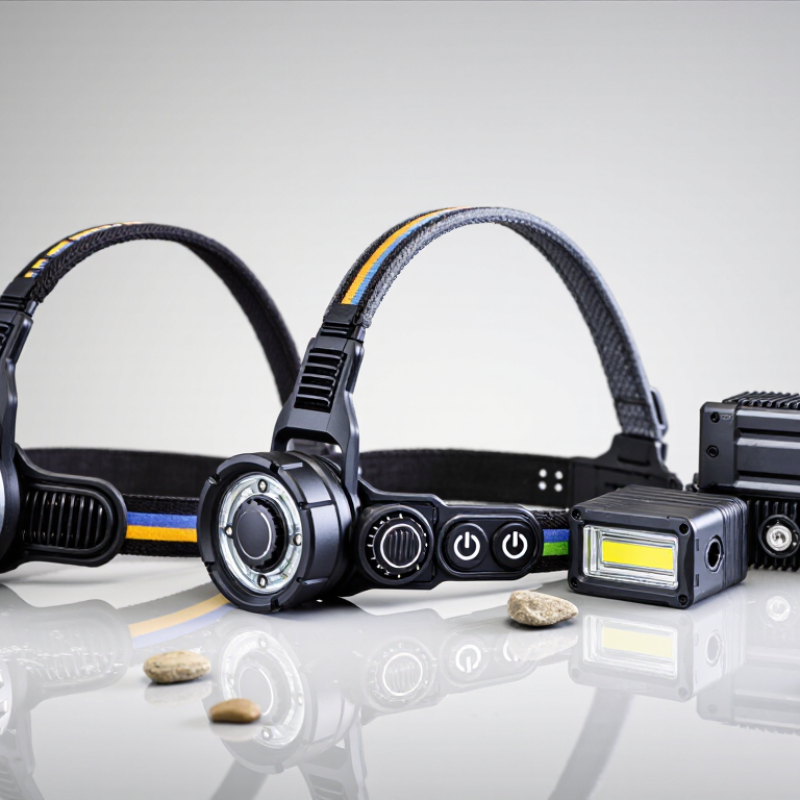
What Defines a Zooming LED Headlamp in 2026
A zooming LED headlamp changes its beam angle through a movable lens or optical assembly. It is not simply a lamp with several brightness levels. A true zoom system shifts from a wide flood beam to a narrower spot beam. This helps users read close objects, inspect equipment, or scan distant paths without changing lamps.
In practical testing, smooth adjustment matters more than dramatic marketing numbers. The lens should move firmly, without sliding during walking. A useful model keeps the central beam clear and limits harsh dark rings around it. Stable thermal control is also important. Bright output can fall quickly when heat builds inside a small housing. Buyers should check regulated brightness, battery protection, charging safety, and an appropriate water-resistance rating.
Comfort remains easy to underestimate. A front-heavy headlamp may feel acceptable for five minutes, then strain the forehead. Soft straps, balanced weight, and a low-profile housing improve longer use. Color accuracy can also matter for wiring, trail markers, and mechanical inspection. Higher color rendering usually gives more natural detail, though it may reduce maximum runtime. That trade-off deserves honest attention.
The word “zooming” can still be vague. Some products offer limited optical movement and rely mostly on digital-style modes. Buyers should ask for beam-angle data, runtime measurements, and real close-range photographs. I would not trust peak-lumen figures alone. They describe a brief moment, not the whole working experience.
What defines a zooming LED headlamp in 2026? A zooming headlamp changes the beam from a wider flood pattern to a narrower spotlight by moving an optical lens, reflector, or focus assembly. The comparison below shows representative beam-angle ranges commonly specified for current adjustable-focus headlamps; actual performance varies by LED, optics, power level, and housing design.
Buyer takeaway: Sliding-lens systems usually provide the broadest continuous adjustment, while rotating-focus and adjustable-reflector designs offer a balance between compact construction and beam control. Electronic zoom systems can provide precise settings but normally require more complex controls and power management.
Zooming LED headlamps usually use a sliding lens, rotating bezel, or internal optical module. A sliding aspheric lens moves forward and backward, changing the beam from a wide flood to a narrow spot. This design is simple and easy to inspect, but loose movement may create uneven focus. Rotating systems can feel more secure during outdoor work. However, their seals and threads need careful quality control.
Some models combine a reflector with a TIR optic. The reflector supports longer throw, while the TIR optic shapes a softer near-field beam. Smooth reflectors often produce a tighter center beam, but surface defects can create rings or dark edges. Textured optics spread light more evenly around a tent, trail, or repair area. In practical testing, the brightest center is not always the most useful feature. Glare can reduce comfort, especially on pale walls or wet ground.
Tips: Check the beam at one and ten meters. Look for smooth transitions, stable focus, and minimal dark spots. Test the adjustment with gloves. My own mistake was judging only peak brightness; beam control mattered more during close work. No optical design is perfect.
A zooming LED headlamp should offer more than a bright beam. In practical testing, beam control matters most when users move between close and distant tasks. A wide flood beam helps with repairs, while a focused beam supports trail visibility. Smooth adjustment is preferable to loose sliding parts. Some mechanisms feel stiff in cold weather, and this detail is easy to overlook.
Brightness claims need careful reading. Measured lumens, runtime, and beam distance should appear together in product data. A high-output mode may last only 30 minutes before stepping down. That is not always a defect, but buyers should know it. Stable output, heat control, and clear battery indicators often matter more than impressive peak numbers.
For global purchasing, durability and compatibility deserve equal attention. Look for a suitable ingress protection rating, impact-resistant housing, and a secure adjustable strap. Rechargeable models should specify charging input, battery capacity, and replacement options. Different regions may require different plugs, labeling, or safety documentation. Verify these details before bulk orders. I also recommend checking weight during extended wear, because a lamp can be bright yet uncomfortable. Small design compromises remain common, especially around hinge strength and charging-port covers.
2026 buyers are comparing zooming LED headlamps by battery behavior, not beam distance alone.
A brighter beam is not always better. Adjustable-focus models can switch between a wide trail view and a narrow inspection beam. However, maximum brightness often drains batteries quickly. Check runtime at practical settings, not only the highest advertised output. Rechargeable lithium batteries offer strong energy density, while replaceable cells can be useful during long journeys. Confirm cell compatibility and storage guidance before purchase.
Charging design affects daily reliability.
A USB-C port is convenient, but the port should have a secure cover and clear charging indicators. Look for overcharge, overheat, and short-circuit protection supported by test documentation. Some lamps continue charging when covered, which creates unnecessary heat. That detail deserves attention. A low-battery warning should appear early enough for a safe battery change or recharge. Field experience also shows that cold weather can reduce runtime more than many product charts suggest.
Safety includes more than electrical protection.
A secure head strap, stable angle adjustment, and a lockout mode help prevent accidental activation inside a bag. Thermal regulation should reduce output when the housing becomes hot. For outdoor use, buyers should check water and dust resistance ratings, impact testing, and switch durability. Sealed housings protect against rain, but damaged seals may fail after repeated opening. I would also inspect charging sockets and hinges after several months, because small mechanical parts often age before the LED does.
2026 Top Zooming LED Headlamp Types for Global Buyers
Zooming LED headlamps now serve outdoor work, maintenance, cycling, inspection, and emergency preparation. Adjustable-focus models shift from a wide beam to a concentrated spot. Buyers should compare beam distance, brightness stability, heat control, battery runtime, and switch durability. A high lumen claim means little without measured test conditions. Ask for reports showing output after ten minutes, not only at startup.
Supplier evaluation needs practical evidence. Request production samples from different batches. Check the zoom mechanism, charging port, head strap, lens clarity, and sealing around the battery compartment. Reliable suppliers can provide factory quality procedures, material traceability, inspection records, and clear warranty terms. Certifications must match the destination market and product design. Review applicable electrical safety, electromagnetic compatibility, battery, and ingress protection documentation. An IP rating should include an authentic test report, not just printed packaging. I have found that attractive samples sometimes hide uneven beam edges or weak hinges. That risk deserves attention.
Tips: Match the lamp to the application. A wide flood beam suits close repair work, while a focused beam helps roadside inspection. Confirm whether “waterproof” means temporary immersion or only light rain. Test charging performance in cold conditions when relevant. Compare total cost, including spare batteries, packaging, testing, and after-sales support. Ask suppliers to explain failures, not only successes. Their answers often reveal more than polished catalogs.
Comparative reference table based on common technical specifications, international compliance requirements, and typical market applications.
| LED Headlamp Type | Typical Light Output | Zooming / Beam System | Typical Runtime | Ingress Protection Target | Common Power Configuration | Recommended Applications | Key Buyer Considerations |
|---|---|---|---|---|---|---|---|
| Compact Consumer Zoom Headlamp | 80–300 lm | Sliding or rotating focus lens; wide flood to narrow spot | 3–20 hours, depending on mode | IPX4 to IPX6 | AAA cells or small rechargeable lithium battery | Household repairs, walking, camping, emergency kits | Check optical consistency, switch durability, battery access, and low-mode runtime. |
| Outdoor Hiking Zoom Headlamp | 200–600 lm | Adjustable reflector or optical lens with flood and distance modes | 5–35 hours | IPX6 or IPX7 preferred for demanding weather | Rechargeable lithium-ion pack or replaceable cells | Hiking, trekking, trail running, travel, outdoor recreation | Compare regulated output, weight, thermal management, charging port protection, and headband stability. |
| High-Output Search Headlamp | 600–1,500 lm | Long-throw zoom optic with concentrated spot beam | 2–15 hours | IPX6 to IPX8, depending on construction | High-capacity lithium-ion battery pack, often USB rechargeable | Search work, night navigation, hunting, security patrols | Verify measured candela, sustained output after thermal regulation, heat dissipation, and battery protection. |
| Industrial Inspection Headlamp | 300–1,000 lm | Controlled spot, flood, or hybrid beam; limited glare optics | 4–24 hours | IP54 to IP67 | Rechargeable battery or replaceable industrial cells | Maintenance, warehouses, construction, utilities, equipment inspection | Prioritize impact resistance, anti-slip materials, glove-friendly controls, color rendering, and documented test reports. |
| Mining and Heavy-Duty Headlamp | 500–1,500 lm | Fixed or adjustable long-range beam with wide peripheral lighting | 8–30 hours | IP67 or higher for harsh environments | Large rechargeable pack, often mounted at the rear or belt | Mining, tunnels, heavy manufacturing, emergency response | Confirm hazardous-location suitability separately; ordinary IP ratings do not prove explosive-atmosphere compliance. |
| Emergency and Rescue Headlamp | 300–1,200 lm | Flood, spot, red, and signaling modes; rapid beam selection | 4–40 hours | IPX6 to IPX8 | Rechargeable lithium battery with backup cell option | Search and rescue, disaster response, first aid, emergency preparedness | Evaluate glove operation, accidental-lockout prevention, charging indicators, drop resistance, and cold-weather runtime. |
| Tactical and Law-Enforcement Headlamp | 400–1,500 lm | Focused beam, rapid strobe or signaling modes, optional red light | 2–20 hours | IPX6 to IPX8 | High-drain rechargeable or replaceable lithium cells | Patrol, tactical training, security, field operations | Check momentary-on control, secure mounting, impact resistance, battery interchangeability, and electromagnetic compatibility. |
| Medical and Close-Work Headlamp | 100–500 lm | Uniform close-range flood beam with minimal hotspot | 4–20 hours | IPX4 to IPX6 | Lightweight rechargeable battery or replaceable cells | Dental work, clinical examination, laboratory work, detailed assembly | Compare color rendering, flicker performance, adjustable brightness, sterilization compatibility, and total worn weight. |
| Evaluation Dimension | What Global Buyers Should Request | Relevant Standard or Document | Practical Acceptance Benchmark | Commercial Risk if Missing |
|---|---|---|---|---|
| Photometric Performance | Measured lumens, candela, beam distance, runtime curve, and mode output | LM-80 data may support LED evaluation; request product-level laboratory test results | Use measured values rather than maximum marketing claims; compare the same test method across suppliers. | Inconsistent brightness, customer complaints, and inaccurate product listings |
| Electrical Safety | Charging protection, over-current protection, short-circuit protection, and thermal safeguards | IEC 62133-2 for rechargeable lithium cells and batteries; applicable market safety requirements | Test reports should identify the exact battery model and finished product configuration. | Battery incidents, shipment delays, recalls, or marketplace removal |
| Transport and Battery Compliance | Battery chemistry, watt-hour rating, packaging method, and transport test documentation | UN 38.3 test summary for lithium batteries; applicable air and sea transport rules | Documentation must match the shipped battery, packaging, and product model. | Cargo rejection, customs delays, and higher freight costs |
| Ingress Protection | Water and dust protection test conditions, sample configuration, and test laboratory details | IEC 60529 | The declared IP rating should apply to the complete production version, including charging-port covers. | Water damage, warranty disputes, and unsuitable field performance |
| EMC and Radio Functions | Electromagnetic emissions and immunity results; wireless testing if Bluetooth or radio functions are included | Applicable regional EMC and radio-equipment requirements | Confirm the report covers the final PCB, charging system, and wireless module. | Regulatory non-compliance and interference complaints |
| Photobiological Safety | Risk assessment for optical radiation and LED exposure | IEC 62471 | Request classification information for high-output products and products used close to the face. | User-safety concerns and restricted sales in some channels |
| Factory Quality System | Incoming inspection, in-process controls, final inspection, traceability, and corrective-action records | ISO 9001 certification may support process control but does not replace product testing | Use a written quality agreement with sampling levels, defect definitions, and inspection procedures. | Variable batches, high return rates, and difficult dispute resolution |
| Customization Capability | Optical design, battery options, headband materials, packaging, firmware, and private-label support | Approved drawings, bill of materials, golden samples, and engineering-change records | Every approved change should receive written confirmation and sample validation. | Specification drift and unauthorized component substitution |
| Supply Continuity | Monthly capacity, component sourcing, lead time, safety stock, and second-source planning | Signed production schedule and component-change notification process | Evaluate peak-season capacity separately from normal production capacity. | Stockouts, missed launches, and inconsistent replenishment |
| After-Sales Support | Spare parts, battery replacement policy, warranty period, failure analysis, and response time | Warranty terms, service-level agreement, and documented failure-report process | Require clear handling for battery degradation, charging failures, water ingress, and LED-module defects. | Higher lifecycle cost and weak customer retention |