2026 Top Steel Wire Mesh Fencing Options for Your Needs?
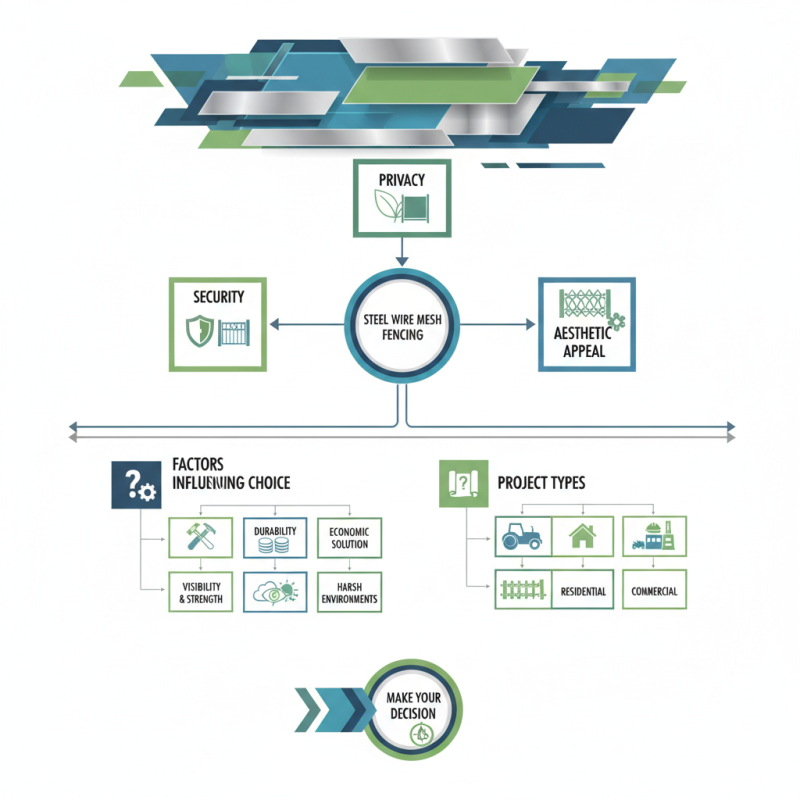
Choosing the right steel wire mesh fencing can transform your property. With numerous options available, it’s essential to understand what fits your needs best. Steel wire mesh fencing serves various purposes. It can offer security, privacy, and aesthetic appeal.
Many factors influence your choice. Are you looking for durability? Or perhaps an economic solution? Some options provide excellent visibility while maintaining strength. Others might be better suited for harsher environments. It’s crucial to consider your specific landscape and requirements.
steel wire mesh fencing can be overwhelming due to the variety of materials and designs. Different projects demand different fencing styles. Whether for agriculture, residential, or commercial use, selecting the right type is vital. Reflecting on your priorities will guide your decision-making process effectively.
2026 Overview of Steel Wire Mesh Fencing Materials and Types
Steel wire mesh fencing is an essential choice for various applications, including security, agricultural, and industrial purposes. Understanding the types of materials available is crucial. The global market for steel wire mesh fencing was valued at approximately $3.5 billion in 2022, with a projected growth rate of 6.3% annually through 2026.
When considering the materials, galvanized steel remains a popular option due to its durability and resistance to corrosion. This type of mesh is coated with a layer of zinc, enhancing its lifespan. However, it may not always be suitable for highly corrosive environments. Stainless steel, while more expensive, offers exceptional resistance to rust and wear. It is a prime choice for coastal areas or industrial settings where exposure to harsh elements is common.
Different styles, such as welded and woven mesh, cater to various needs. Welded wire mesh is typically more rigid and provides excellent strength. Woven wire mesh, on the other hand, is flexible and easier to install but may lack some rigidity. Users often overlook these differences until they encounter issues during installation or maintenance. Finding the right type can lead to superior performance. However, it's essential to assess specific needs and environments carefully to avoid potential pitfalls.
Key Factors to Consider When Choosing Steel Wire Mesh Fencing
When choosing steel wire mesh fencing, several key factors should be considered. Durability is a primary concern. Reports indicate that high-quality steel wire mesh can withstand harsh weather conditions. This ensures long-term performance without significant wear. The tensile strength of the wire also plays a crucial role. Fencing made from high-tensile steel can resist bending, deformation, and damage from external forces.
Cost-effectiveness is another important factor. Although initial costs might be higher, the longevity of a solid steel wire mesh can save money over time. According to industry analysis, lower-grade options often require frequent replacements or repairs. Maintenance is equally vital. Some meshes need regular upkeep to prevent rust, which can be a hassle for busy property owners.
Mesh size and spacing matter significantly as well. A smaller mesh can deter small animals but may increase costs. However, more open designs allow for better visibility and airflow, and this can be particularly important in agricultural settings. Balancing these elements to suit specific needs might take time and reflection. Ultimately, the right fencing should align with environmental conditions, intended purpose, and budget considerations.
2026 Top Steel Wire Mesh Fencing Options
This chart represents the popularity of various steel wire mesh fencing options based on their attributes such as durability, price, and aesthetic appeal. Choose the right fencing that fits your needs!
Comparison of Popular Steel Wire Mesh Fence Designs for Various Needs
When choosing a steel wire mesh fence, consider your specific needs. Different designs serve various purposes, from security to aesthetic appeal. Some fences provide better visibility, making them ideal for residential areas. Others emphasize durability and strength, suitable for industrial use.
For a garden or backyard, a lightweight mesh works well. It contains pets and offers a clear view of your plants. However, it might not deter larger animals effectively. In contrast, heavier-duty options may protect crops but can block views. You may find it challenging to strike a balance between visibility and security.
There’s also the option of protective coatings that resist rust and corrosion. Yet, the effectiveness of these coatings can vary. Some designs may require more maintenance than others, resulting in extra costs over time. Consider your surroundings and climate, as these factors impact both durability and upkeep. Sometimes, you might need to rethink your initial choices after reflecting on their practicality in your environment.
Installation and Maintenance Tips for Steel Wire Mesh Fencing
When considering steel wire mesh fencing, proper installation is crucial. According to industry reports, nearly 30% of fencing failures stem from poor installation practices. It's essential to assess the terrain where the fence will be installed. Uneven ground requires additional planning. Accurate measurements ensure a proper fit, reducing future maintenance issues.
Tips for installation: Ensure you have all necessary tools before starting. Mark out the perimeter clearly. Consider using corner braces for added stability. If you're digging holes, maintain consistent depths for posts. This simple step can prevent leaning or instability later on.
Maintenance is equally important. Regular inspections can identify rust or damage early. Cleaning the mesh with a mild detergent can prevent corrosion. Industry data suggests that fences that receive biannual maintenance last 20% longer. If sections show wear, addressing it promptly saves time and money. Timely repairs also help maintain your property’s appearance. Don't neglect small issues; they can escalate into larger problems if overlooked.
2026 Top Steel Wire Mesh Fencing Options for Your Needs
| Fencing Type | Material | Height (ft) | Pricing ($ per linear foot) | Maintenance Level |
| Welded Wire Fence | Galvanized Steel | 4 | $2.50 | Low |
| Chain Link Fence | Galvanized Steel | 6 | $3.00 | Medium |
| Electric Fencing | Steel Wire | 5 | $4.50 | High |
| Hexagonal Wire Netting | Galvanized Steel | 3 | $1.80 | Low |
| Tensile Wire Fencing | High Tensile Steel | 4 | $3.75 | Medium |
Cost Analysis and Budgeting for Steel Wire Mesh Fence Projects
When planning a steel wire mesh fence project, budgeting is crucial. According to a 2023 industry report, average costs for steel wire mesh fencing range from $3 to $5 per linear foot. This figure varies depending on wire gauge and height. For example, thicker wires and taller fences can bring higher prices. It’s essential to account for installation costs, which may add $2 to $4 per linear foot if hiring professionals.
Tips: Always get multiple quotes from contractors. Understand material costs and avoid low bids with hidden fees.
In addition to material and labor, consider long-term maintenance expenses. Steel wire mesh is durable, but weather exposure increases wear. Budget for occasional rust treatment or repainting, which can cost an additional $100 per 100 square feet. Planning for such expenses ahead of time helps avoid surprises later.
Tips: Keep a contingency fund of at least 10% for unexpected costs. Regular maintenance can extend your fence's lifespan significantly.